
Ushuaia is also called El Fin del Mundo, the end of the world. It is the southernmost city on the South American continent before hitting Antarctica! The Drake Passage is the body of water between Cape Horn in Chile at the southern extreme of the South American mainland and the South Shetland Islands of Antarctica. It connects the southwestern part of the Atlantic Ocean (Scotia Sea) with the southeastern part of the Pacific Ocean. The passage is named after the 16th-century English explorer Sir Francis Drake. Crossing the Drake Passage is considered one of the most treacherous voyages for ships to make – it truly is the place where two oceans – and their strong currents – meet. That’s why our captain (and many other cruise ships) choose a path of much less resistance…through some beautiful glacial alleys and fjords at the tip of Chile.
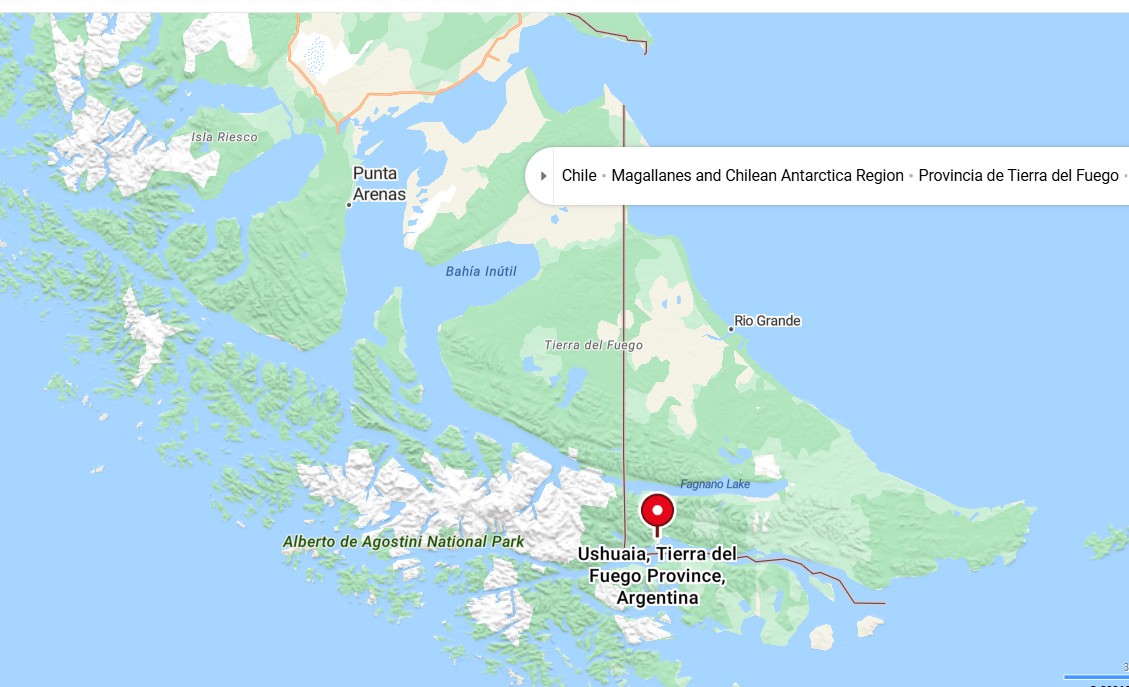
After a couple of days at sea since we had to forgo visiting the Malvinas (Falkland Islands) we docked to spend two days in Ushuaia. As you might imagine, as a very remote outpost, this is really a port for supply ships and cruises headed to Antarctica as some local industry for the southern part of Chile.
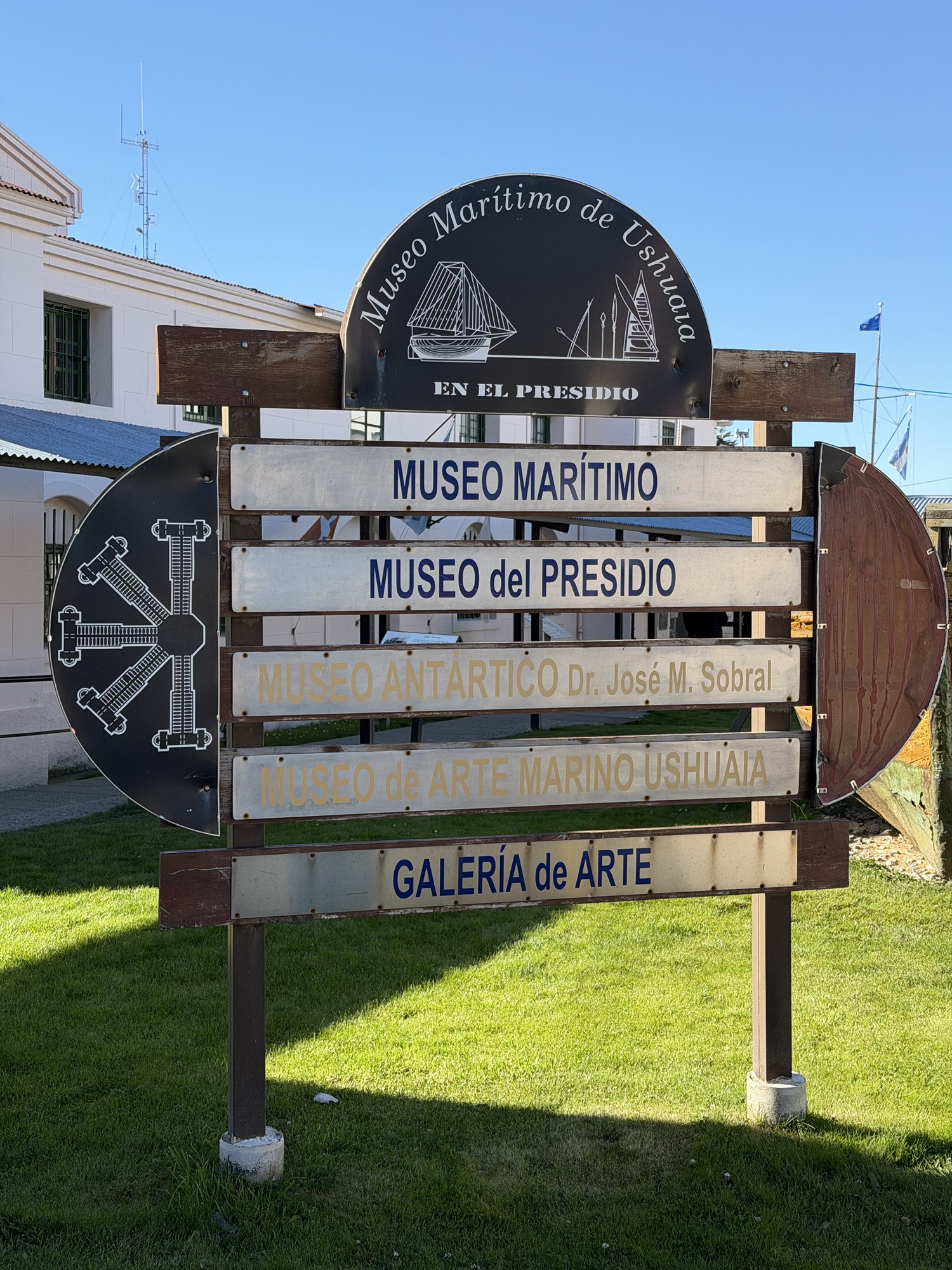
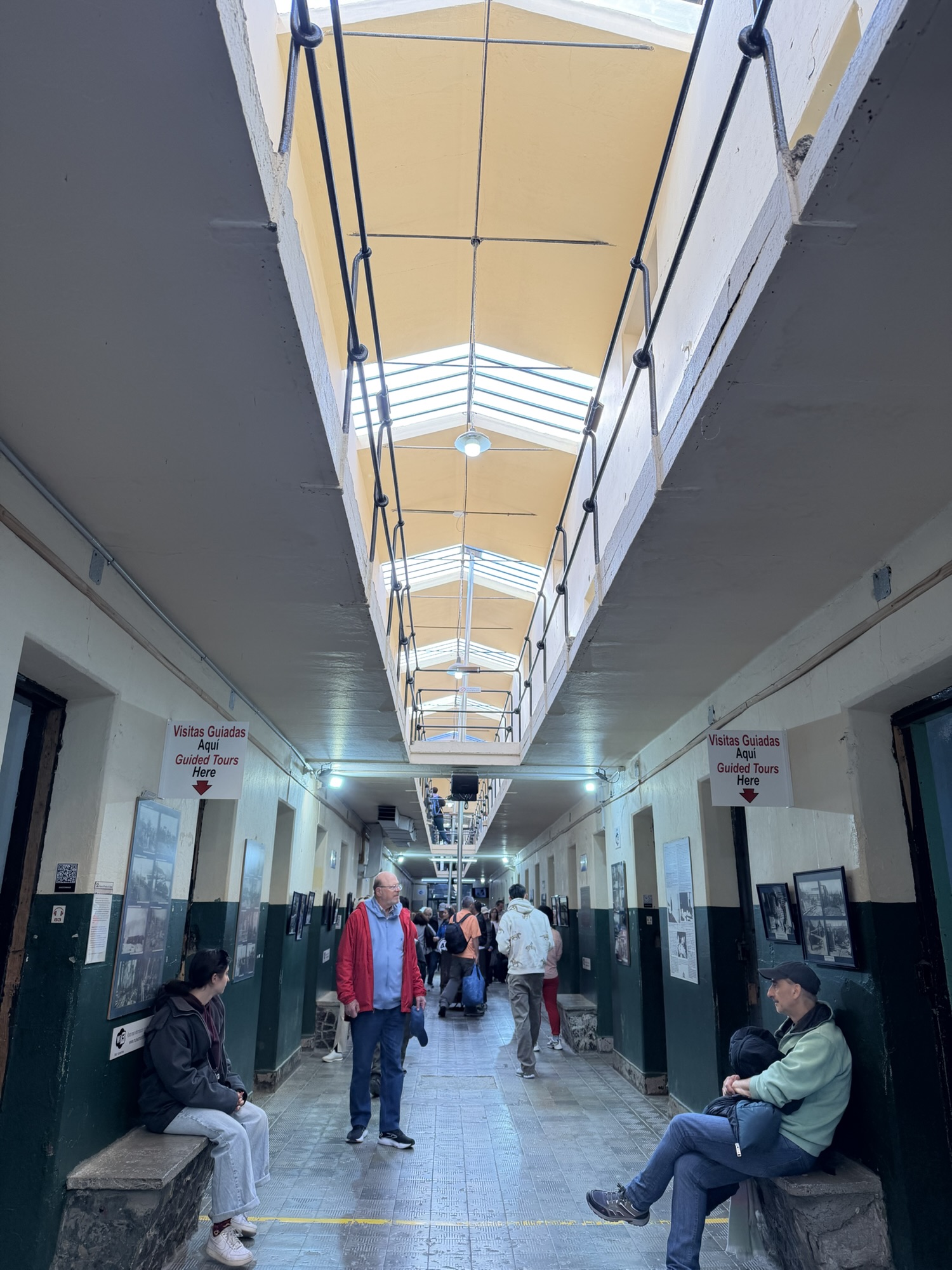
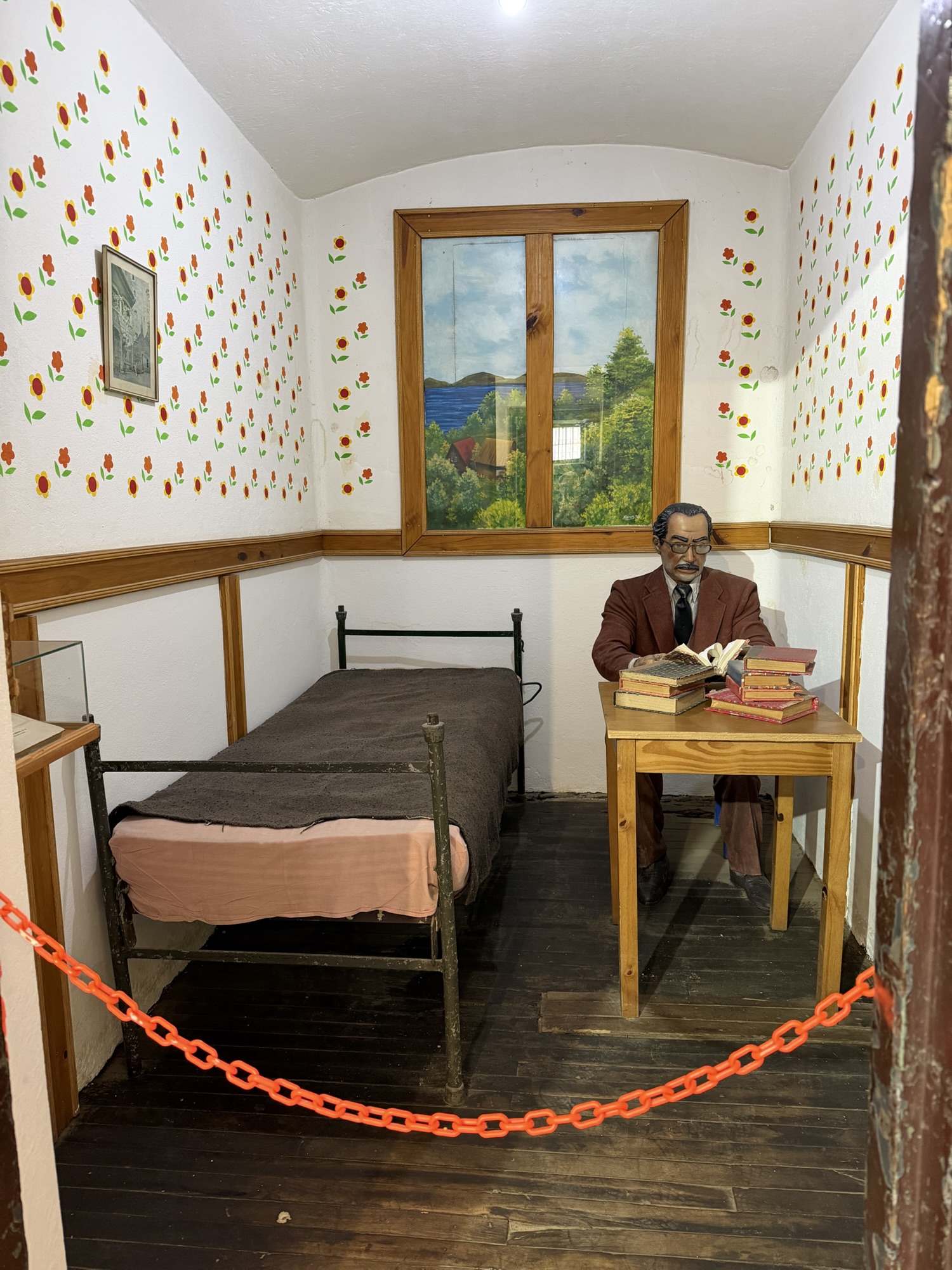
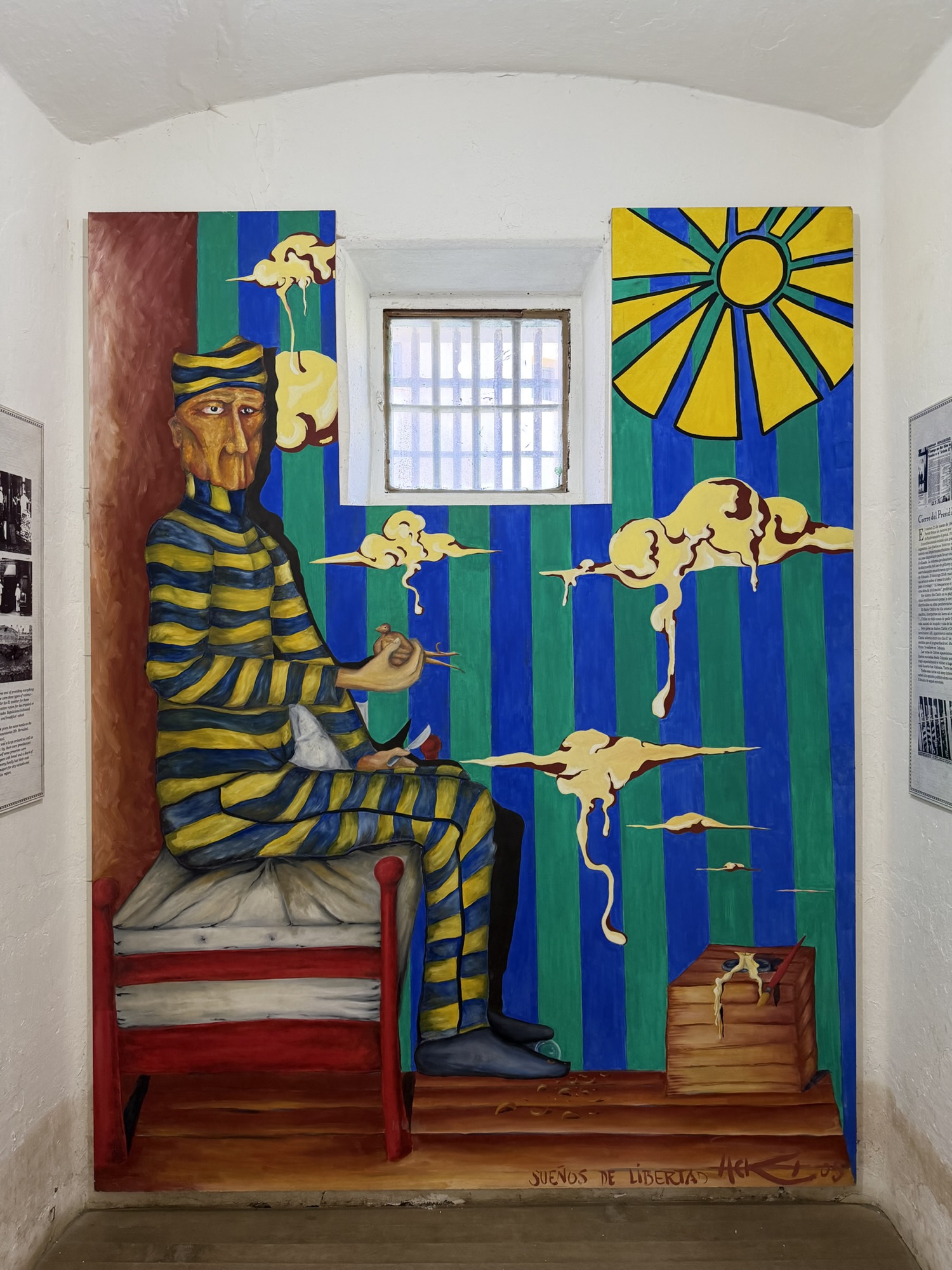
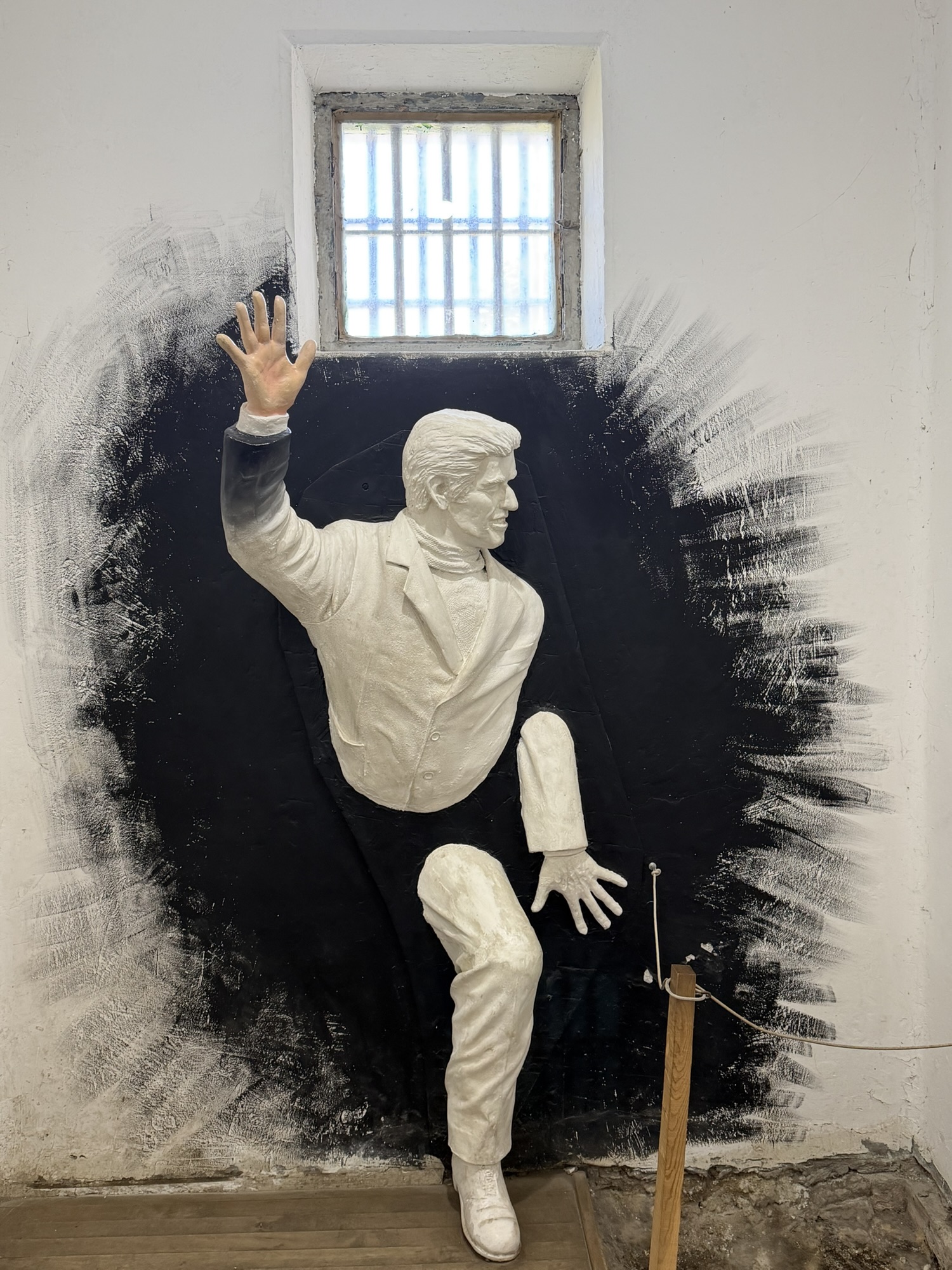
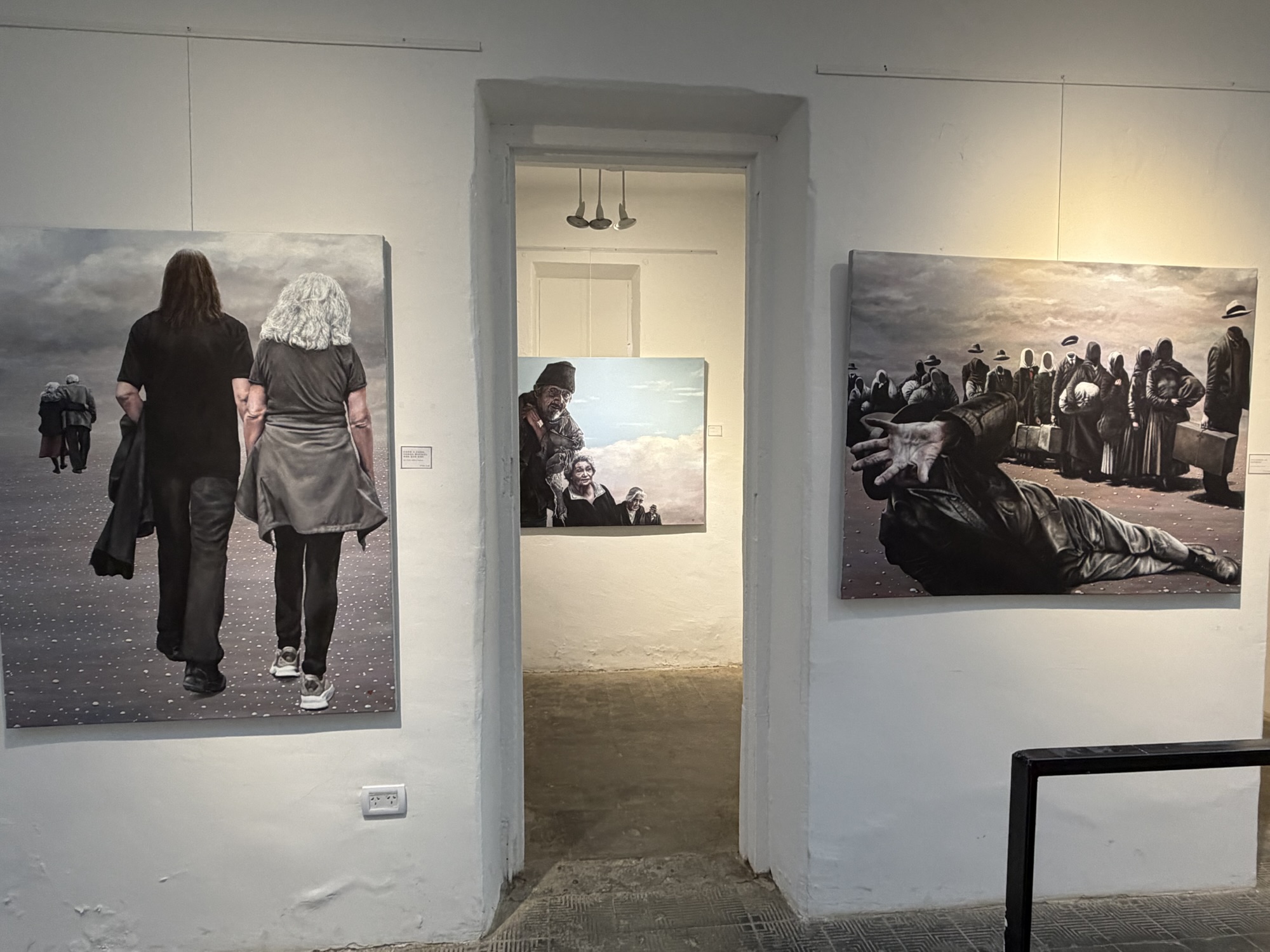
We took a self-guided tour of the famous Ushuaia prison, also known as the End of the World Prison. This was an actual prison from 1896 to 1947 and has been converted to an interesting combination of a maritime museum and art gallery. The prison housed some of Argentina’s most notorious criminals – including serial killers and political prisoners.
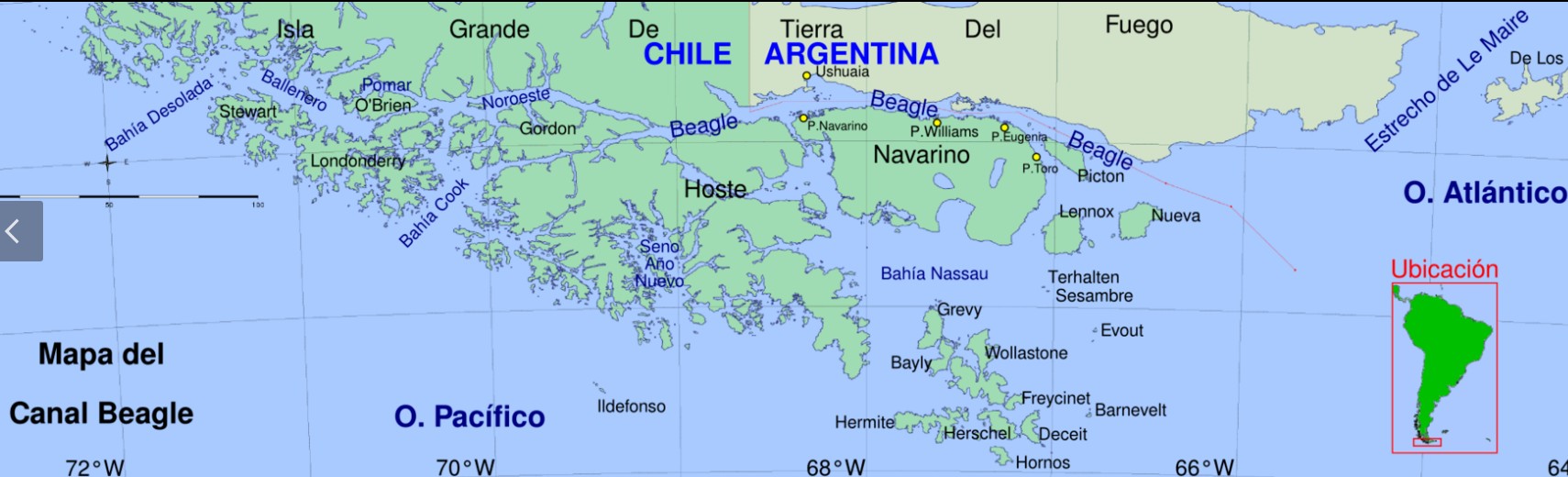
On the second day in Ushuaia, we took a catamaran tour of the Beagle Channel – a strait in the Tierra del Fuego Archipelago, on the extreme southern tip of South America between Chile and Argentina. The channel separates the larger main island of Isla Grande de Tierra del Fuego from various smaller islands. The Beagle Channel, the Straits of Magellan to the north, and the open-ocean Drake Passage to the south are the three navigable passages around South America between the Pacific and Atlantic Oceans.
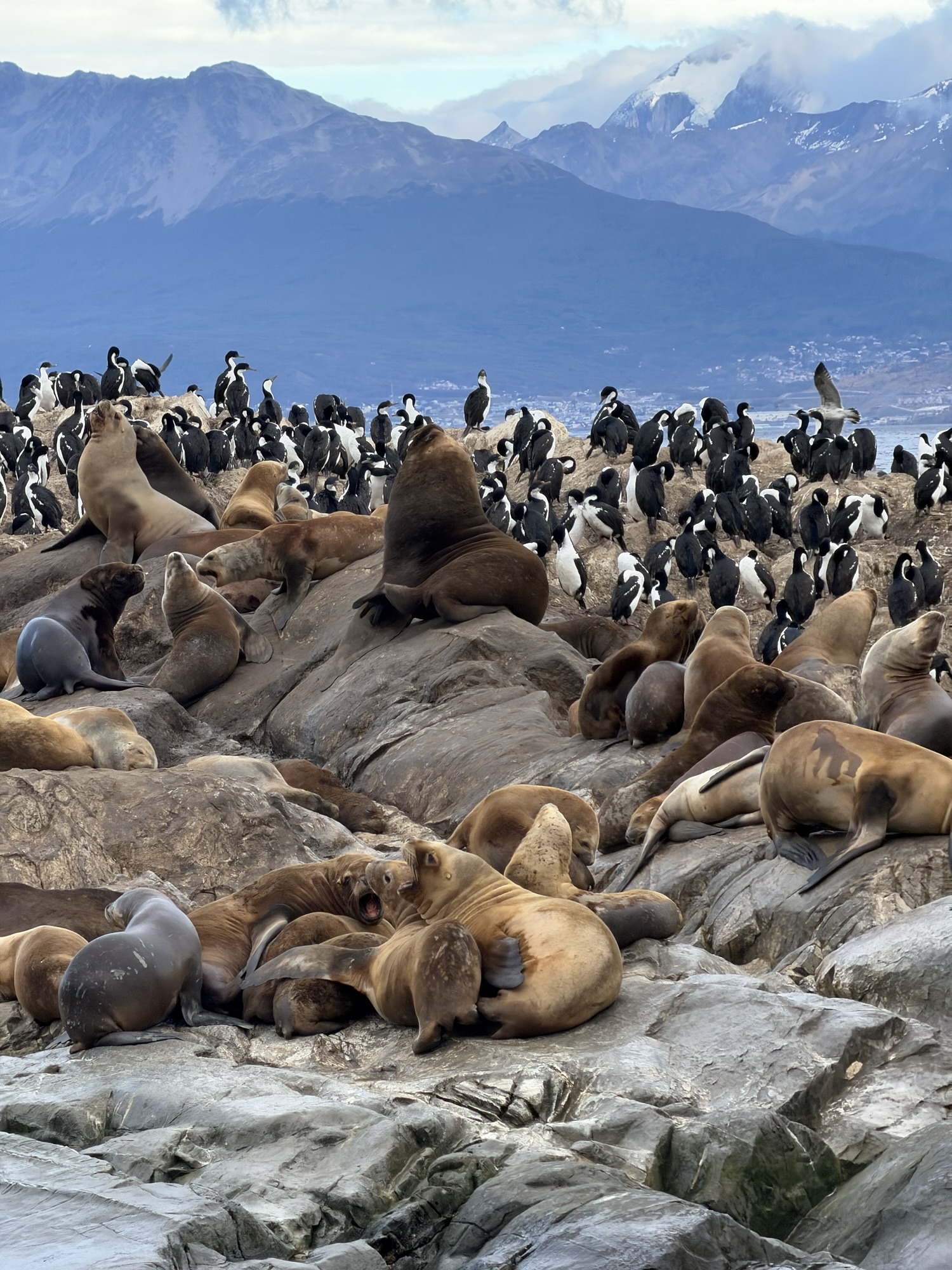
While there were way too many people packed onto the tour boat (we hate big tour groups, but this passage was apparently too scenic to pass up) but the five hours journey did pay off in some amazing and up close views of penguin, cormorant and sea lion colonies that heavily populate the remote small outcroppings in the middle of this channel.
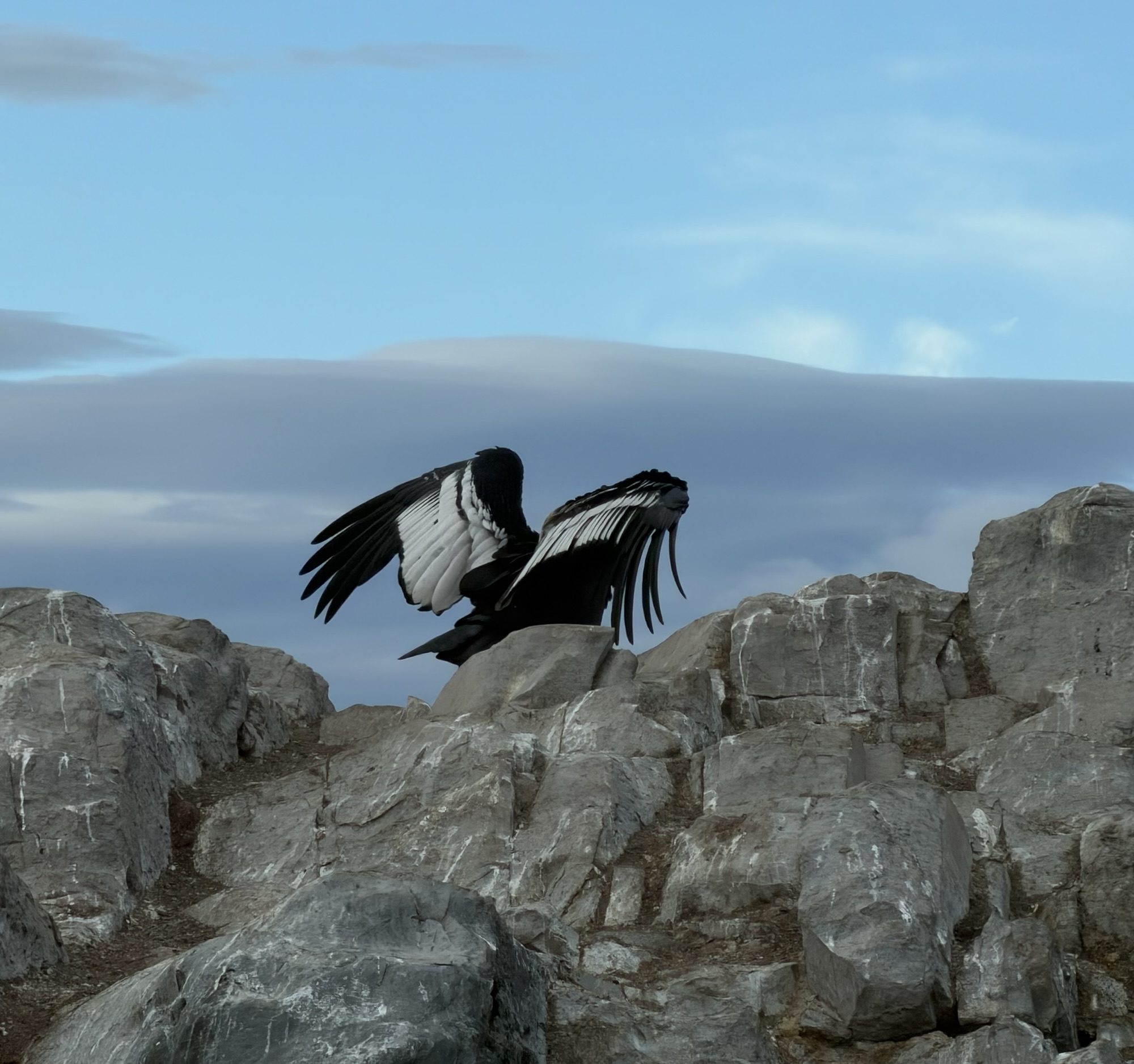
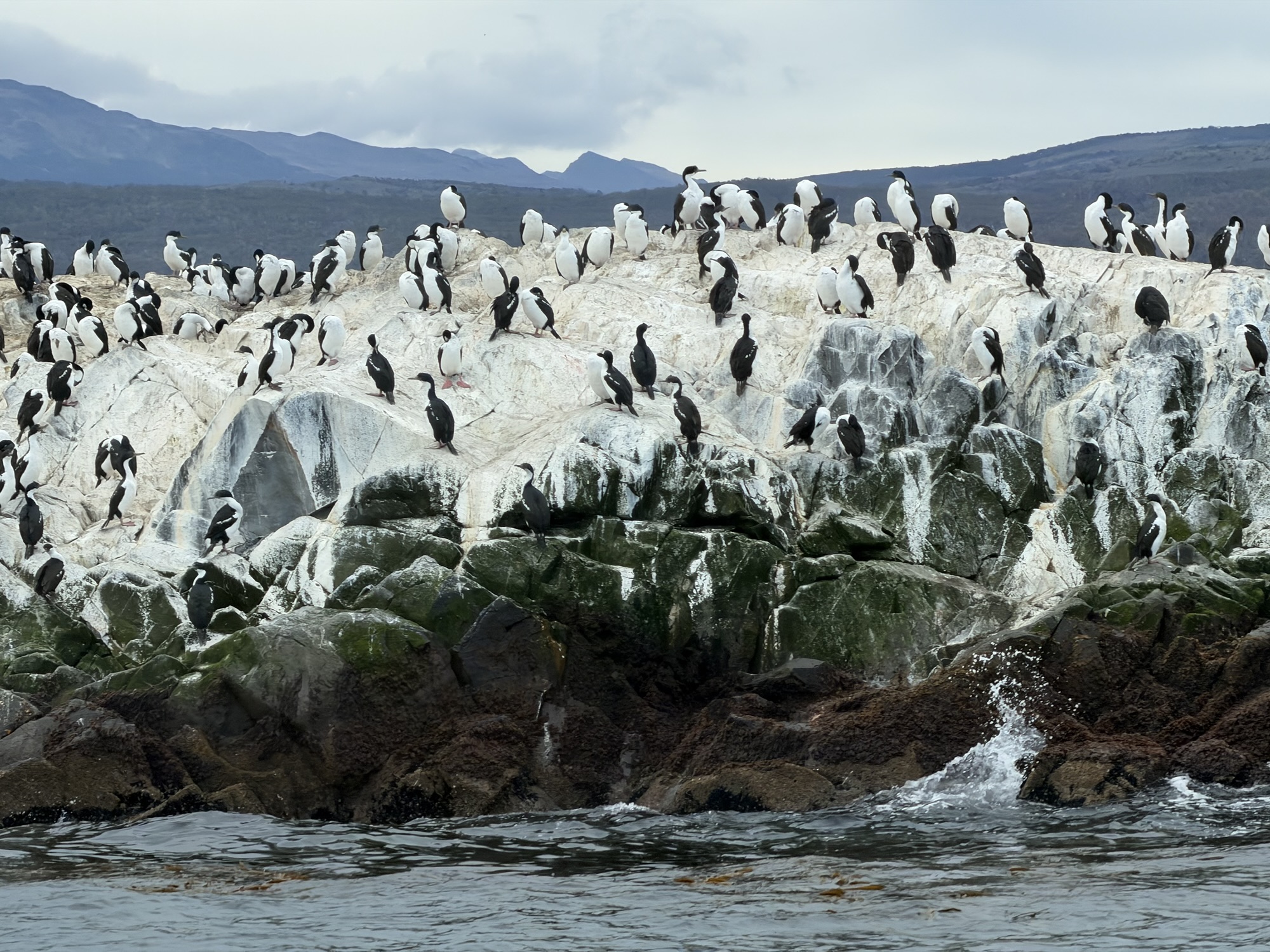
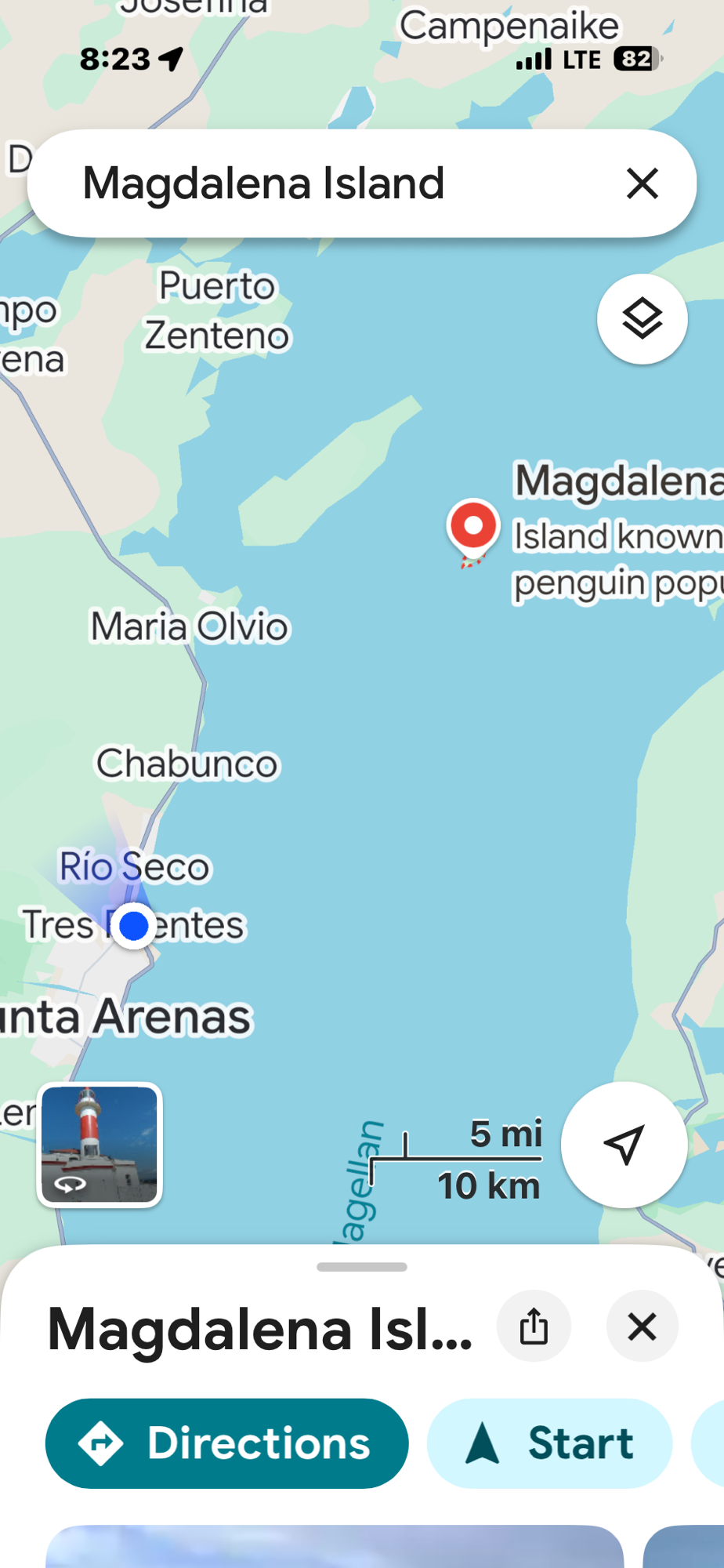
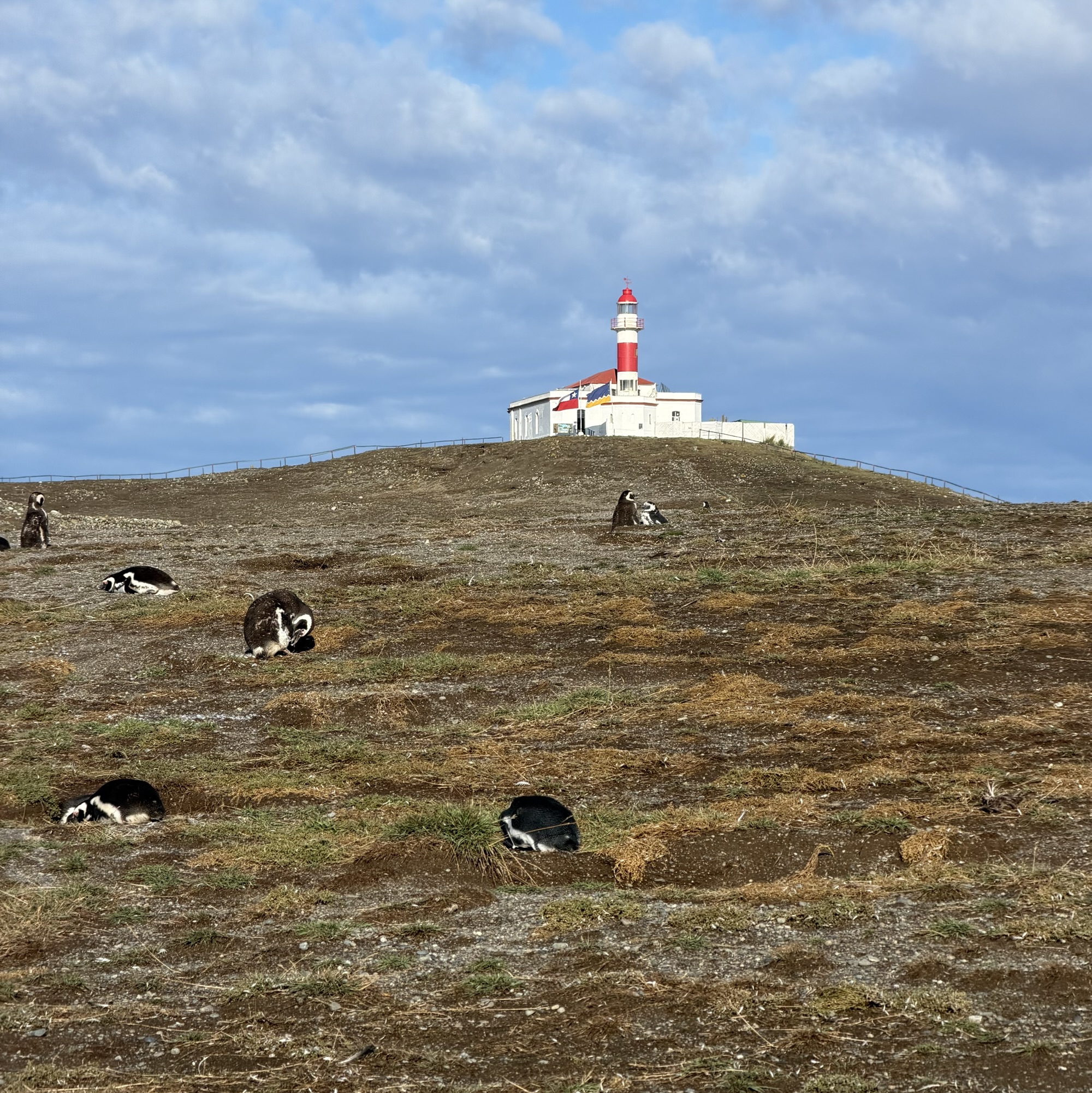
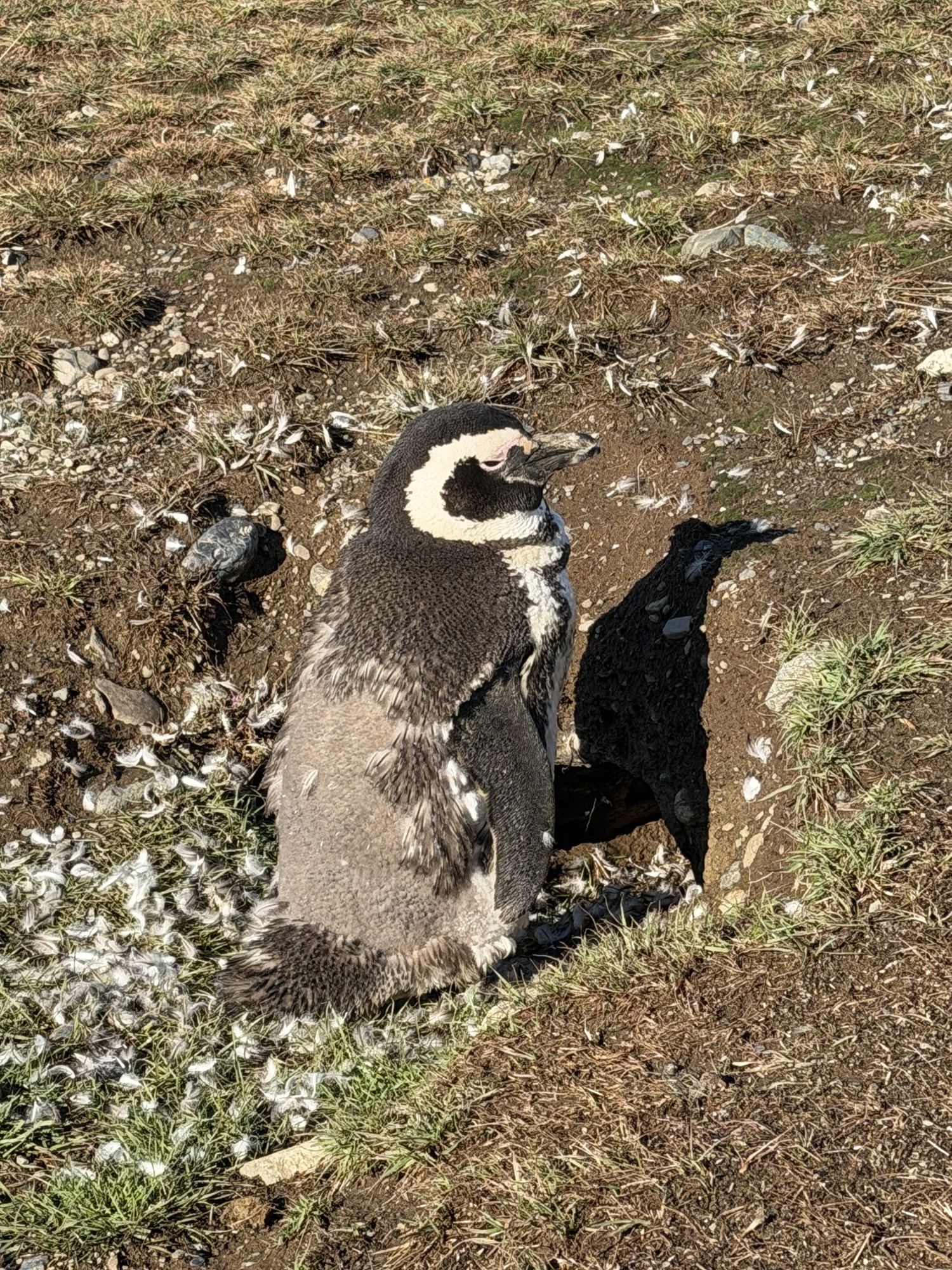
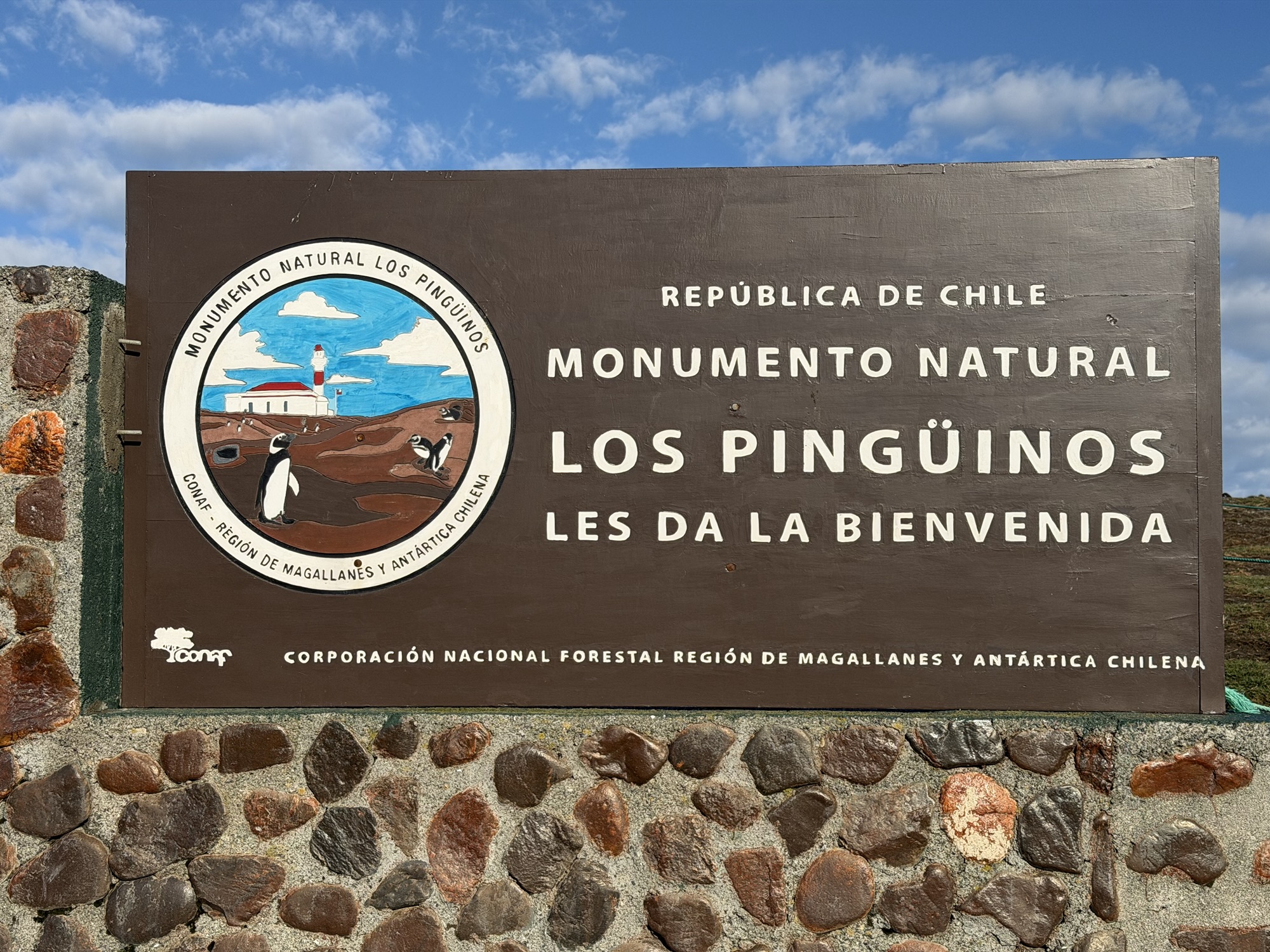
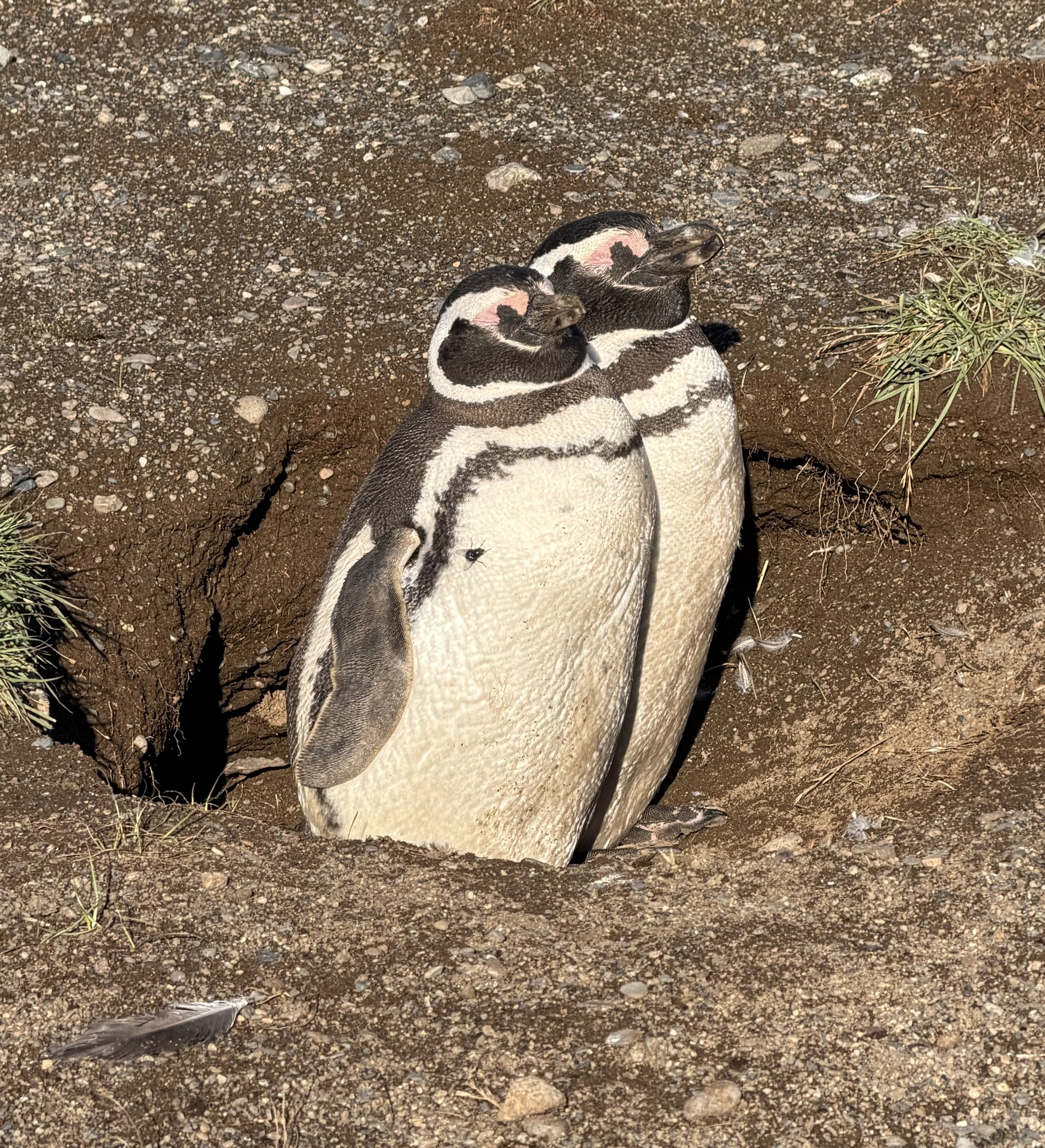
Before heading up the other coast of the continent we had a few other very scenic stops with admittedly similar sightings of wildlife, as well as additional passes by glaciers. From Punta Arenas we took a tour of a penguin preserve on Magdalena Island that was on a vast hillside with a lovely lighthouse at the top. The trail that we wandered through allowed us to see closeup the penguins who unfortunately had been left behind as the mass of the population had already taken off to migrate north. Most were young who had not molted completely so they could not swim and fly well, and many were pairs of what looked like older juveniles and seniors who for whatever reason stayed behind. A bittersweet sight.
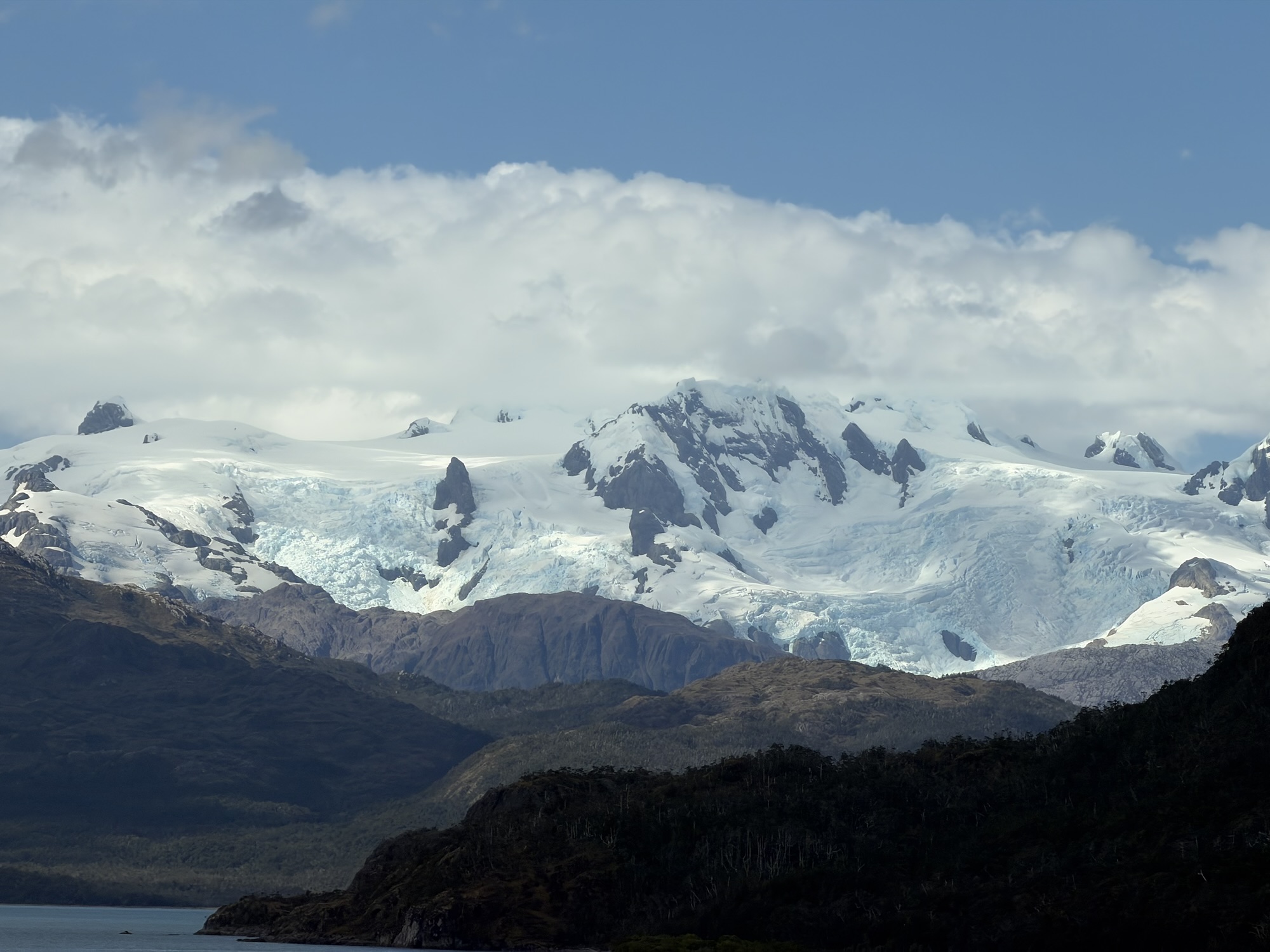
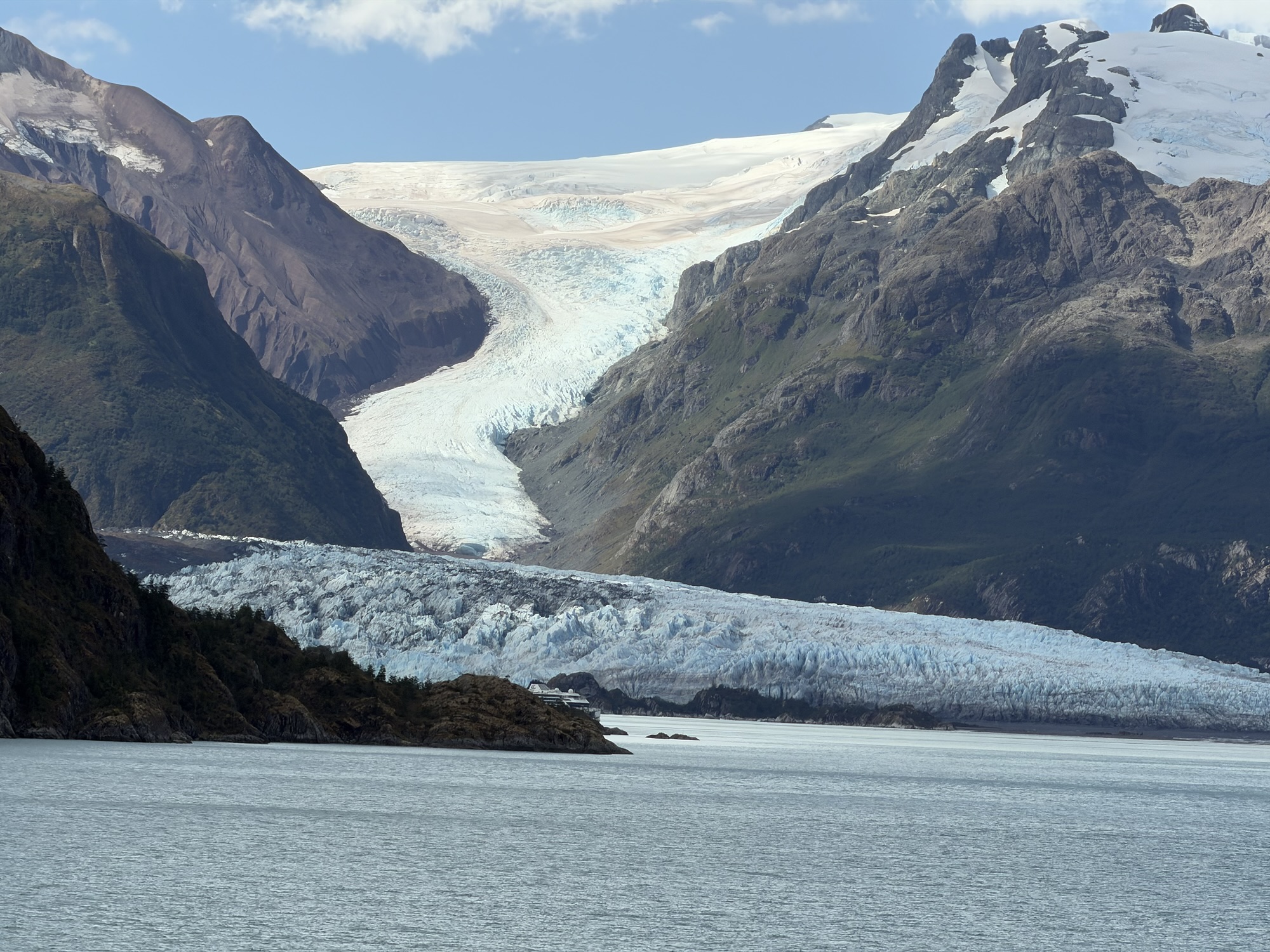
The next couple of days were spent cruising through the beautiful Chilean fjords – lush green mountains smattered between glaciers that wound their way down the hillsides.
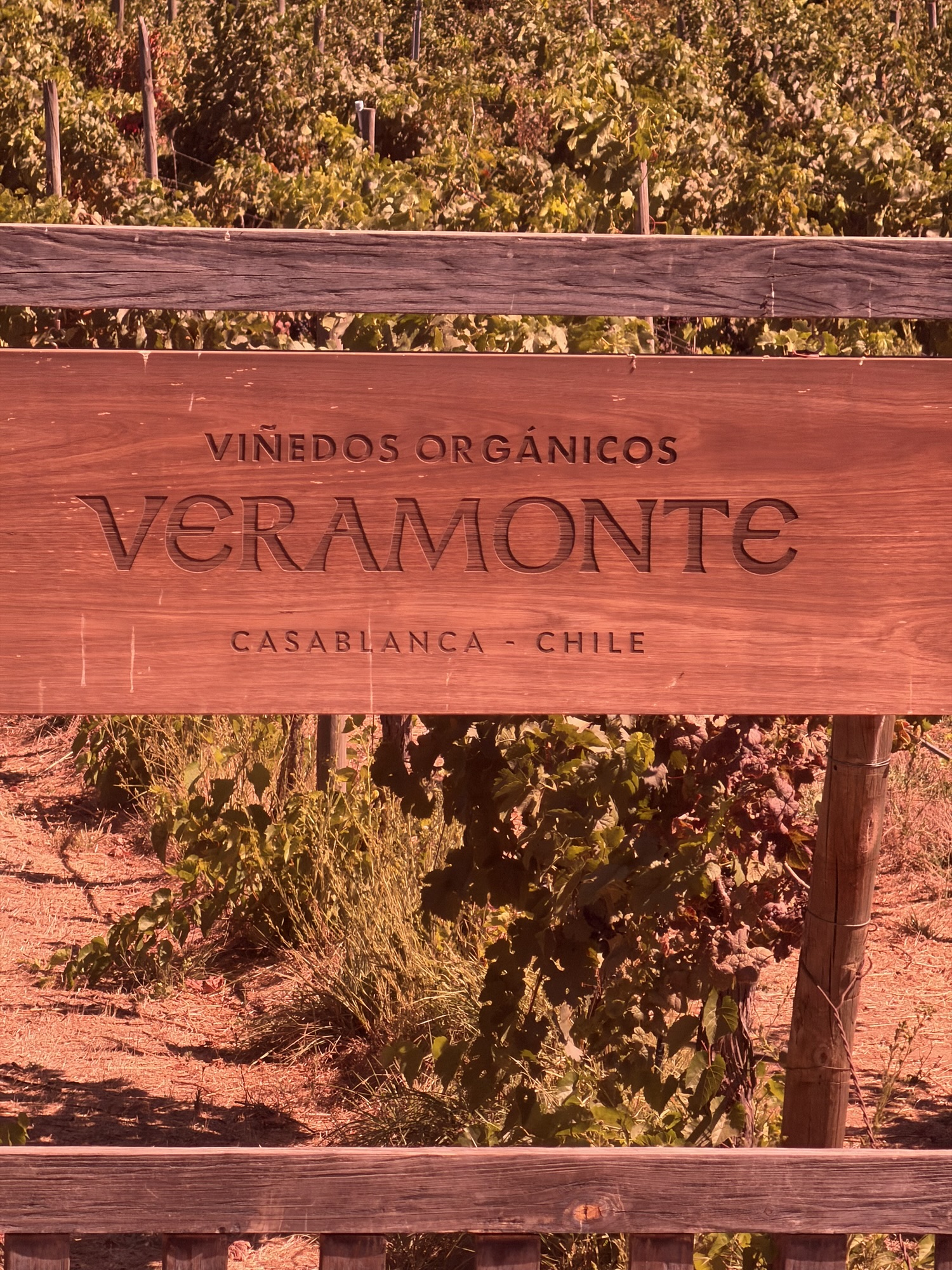
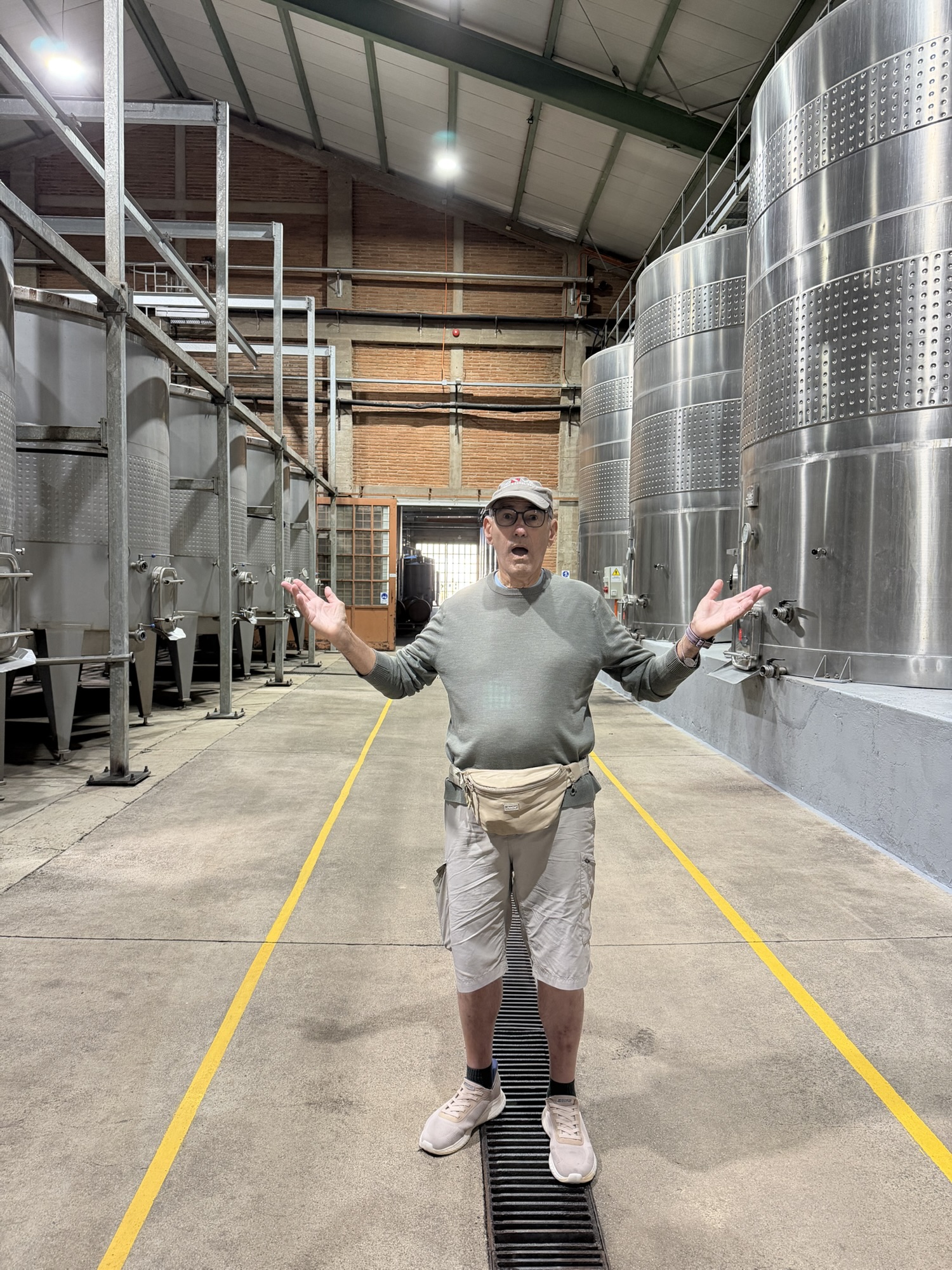
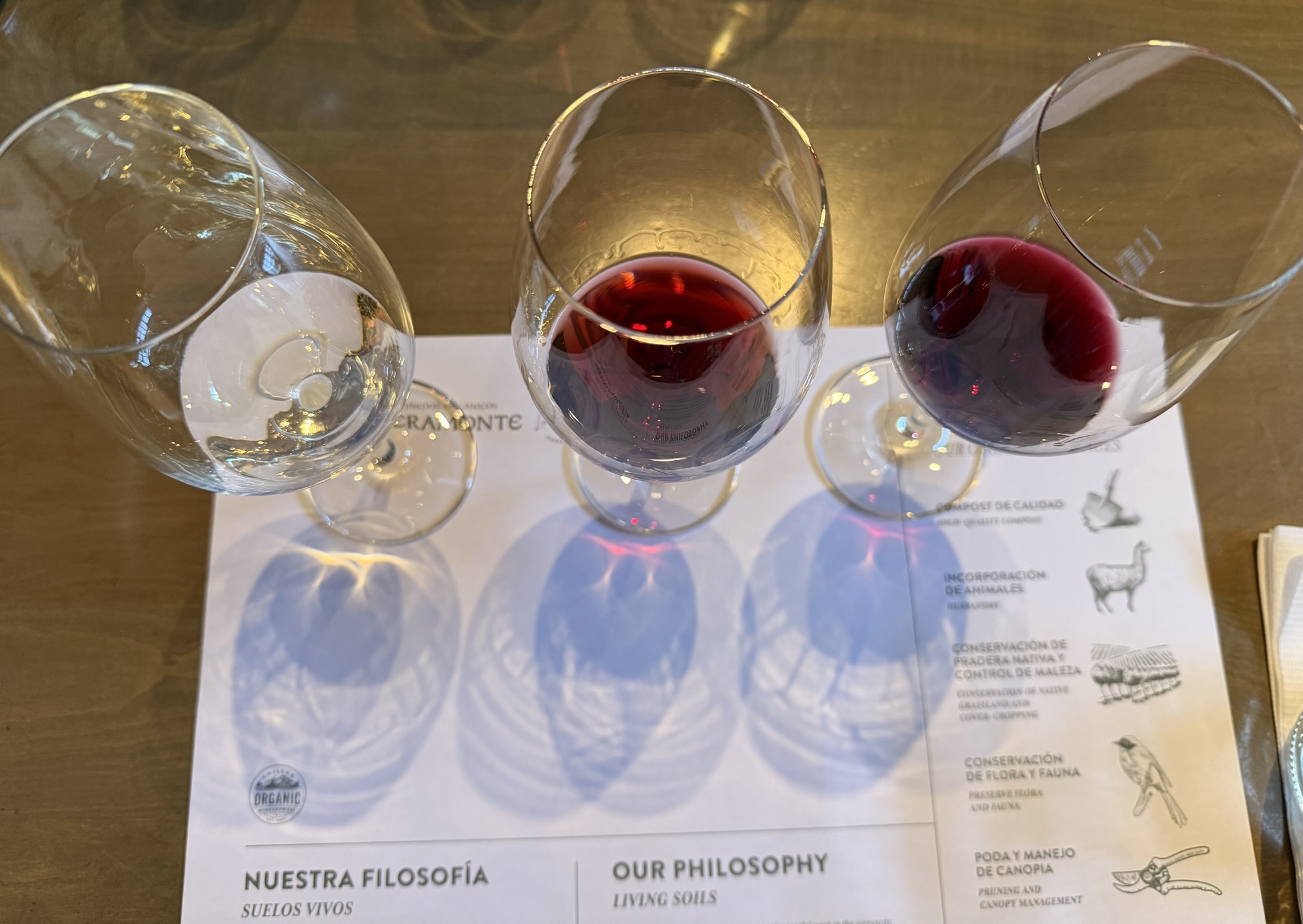
Our final port was Valparaiso where we got to learn a bit about Chilean spirits, indigenous traditions, and see the unique and colorful city. About an hour’s drive from the city is the Casablanca Valley. While there have been vineyards in the Casablanca Valley since 1875, the true potential of the valley wasn’t realized until the 1980s, when the locals figured out that the soil and the weather conditions were similar to those of the Napa and Sonoma valleys in California. Apparently, the daily ocean breezes cool the grapes on the vines, resulting in intensely fruity wines when properly tended. We got to visit one of the local wineries, learn about the wine-making process, and get a taste of some of the wines produced there.
Our next stop was at the Puro Caballo Ranch where we met some purebred Chilean horses were introduced to the ‘huaso’ traditions of Chile. Chilean huasos are traditional peasants and skilled horsemen who represent Chile’s rural and folkloric identity, especially in the central area of the country. Due to the horses’ special small stature and other physical attributes, the horses can do things that no other species of horses in the world can do. We were treated to an exhibition of the skills of the ‘duet’ between man and horse. We also got to see one of the women dance with one of the men while he was riding on horseback! Quite a sight.
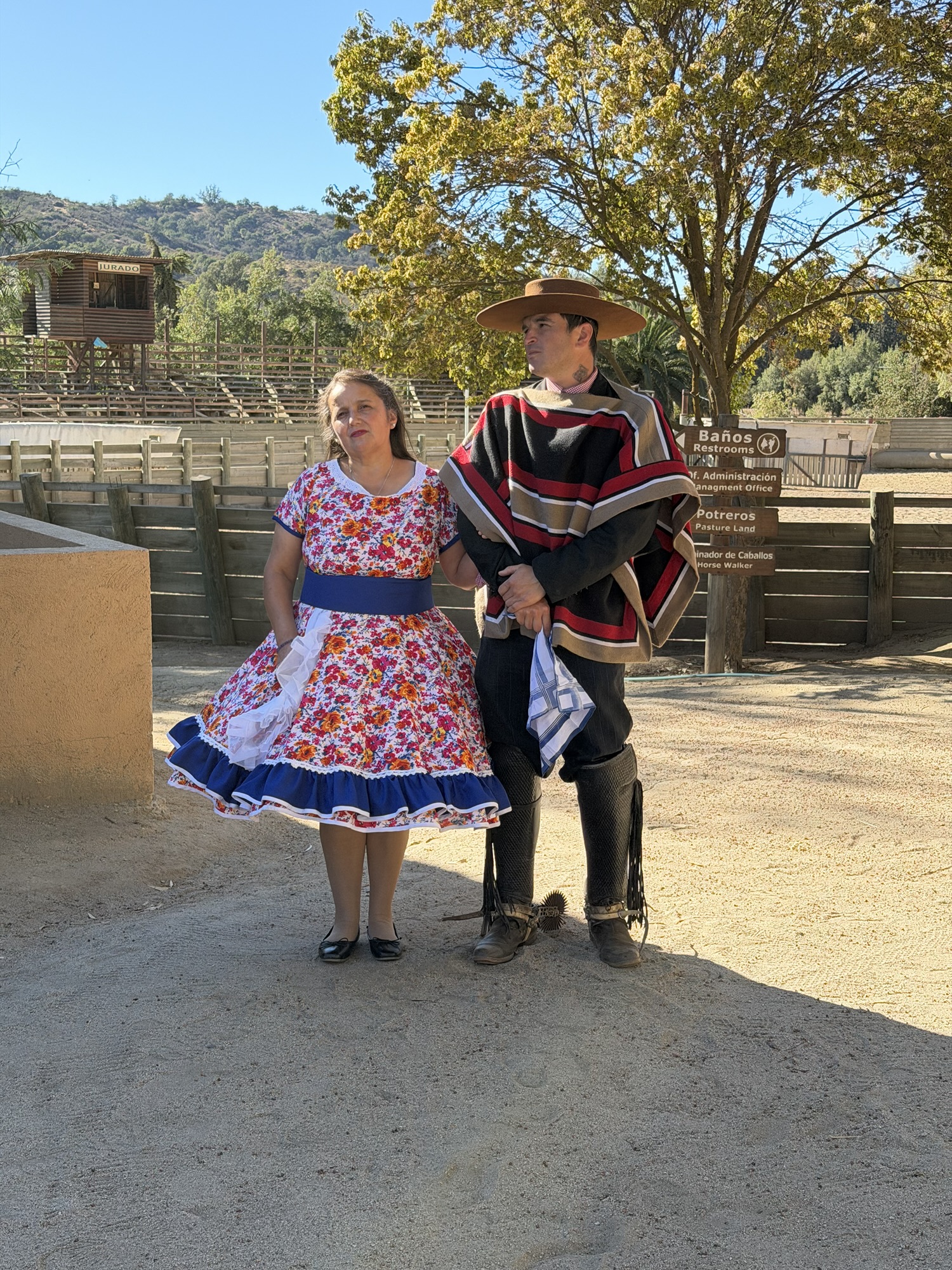
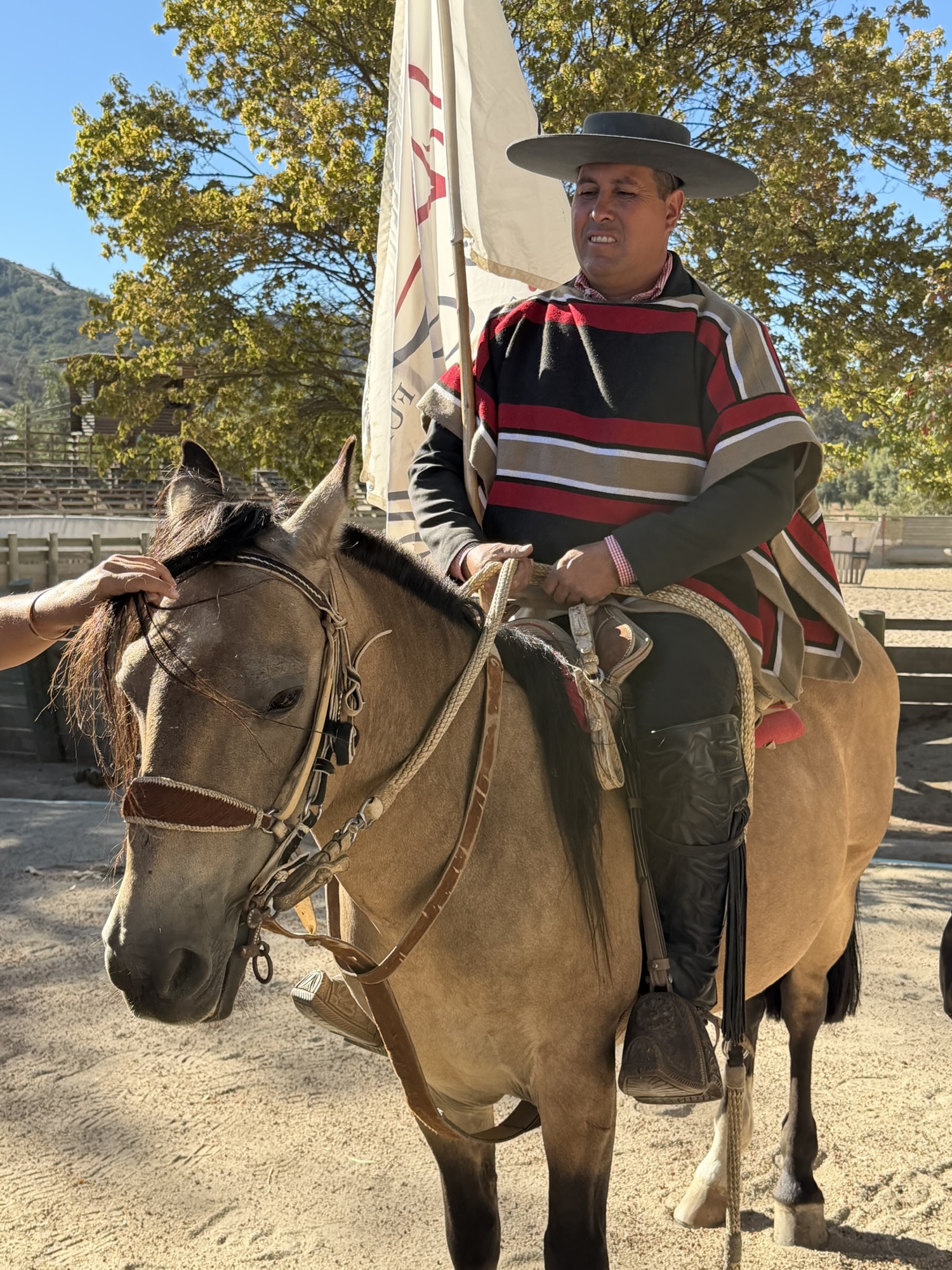
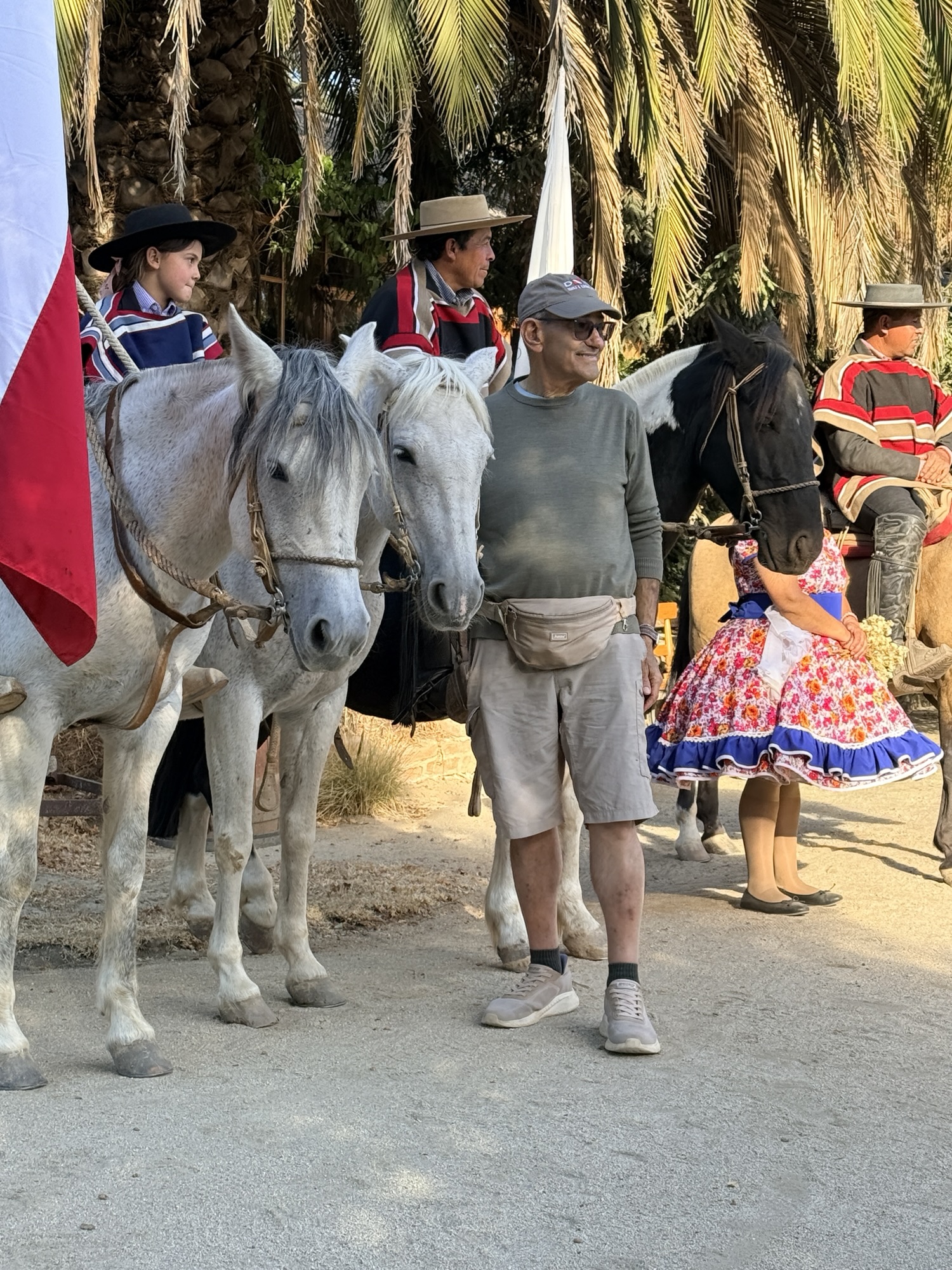
Following this exhibition, we were treated to a delicious Chilean lunch at the ranch’s restaurant, and serenaded by some of the local musicians.
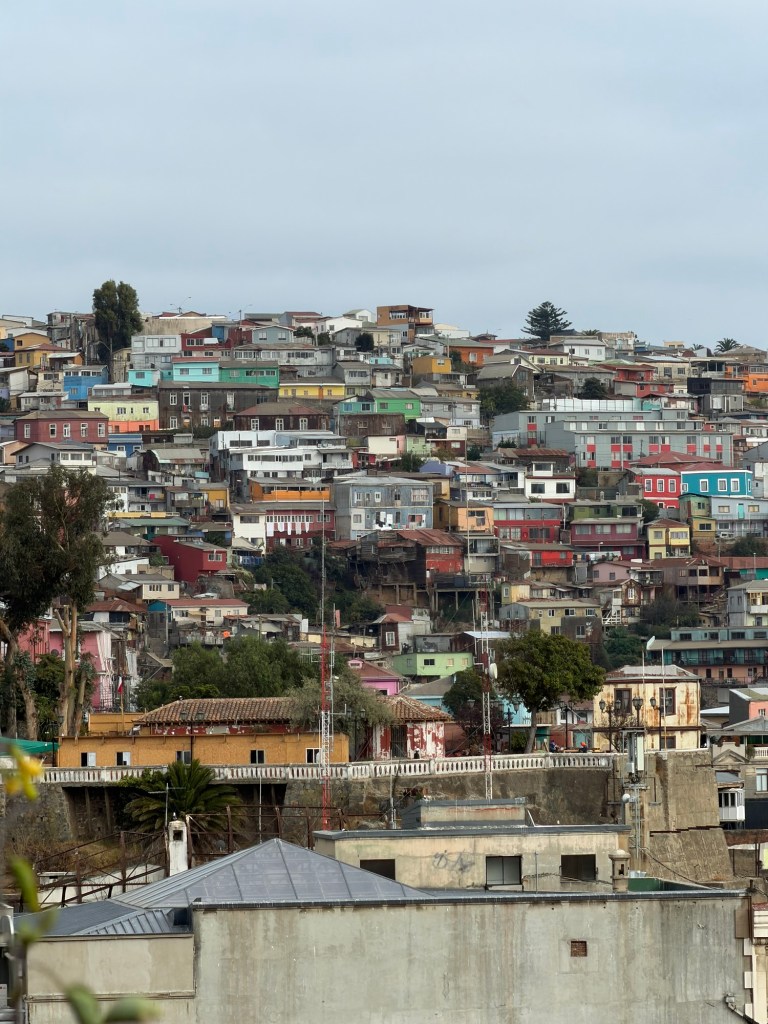
Valparaiso was our final port. When we disembarked, we met up with a local guide who was to give us an overview of the city and transport us to Santiago from where we’d eventually fly home.
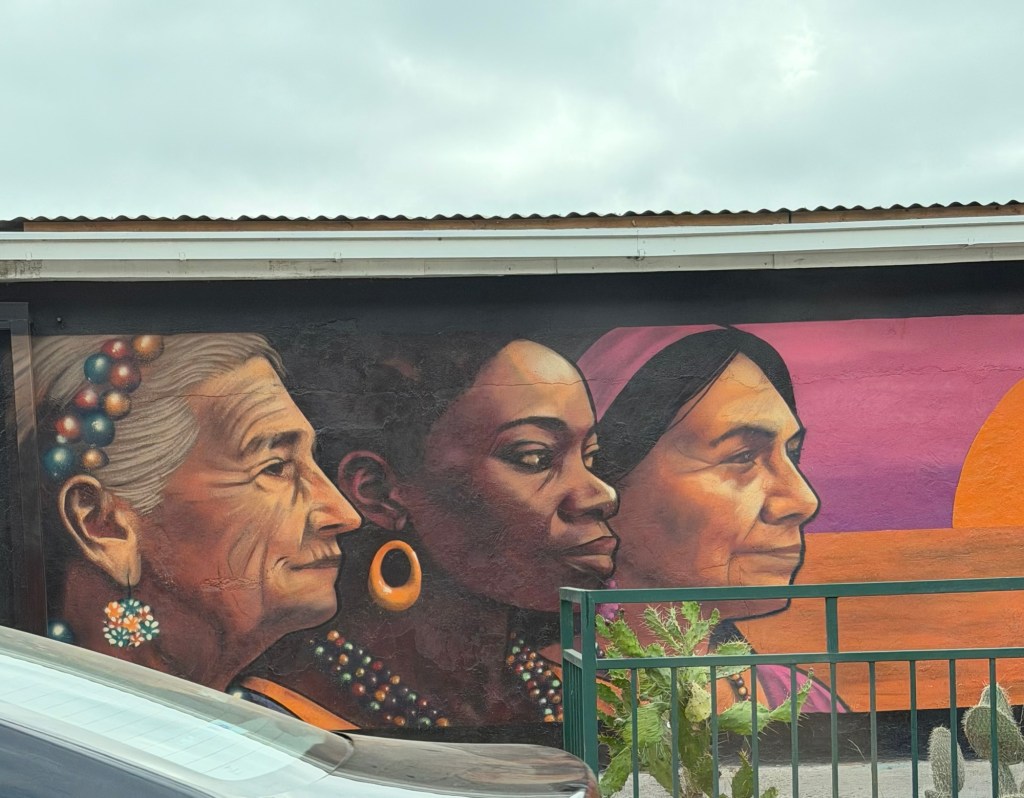
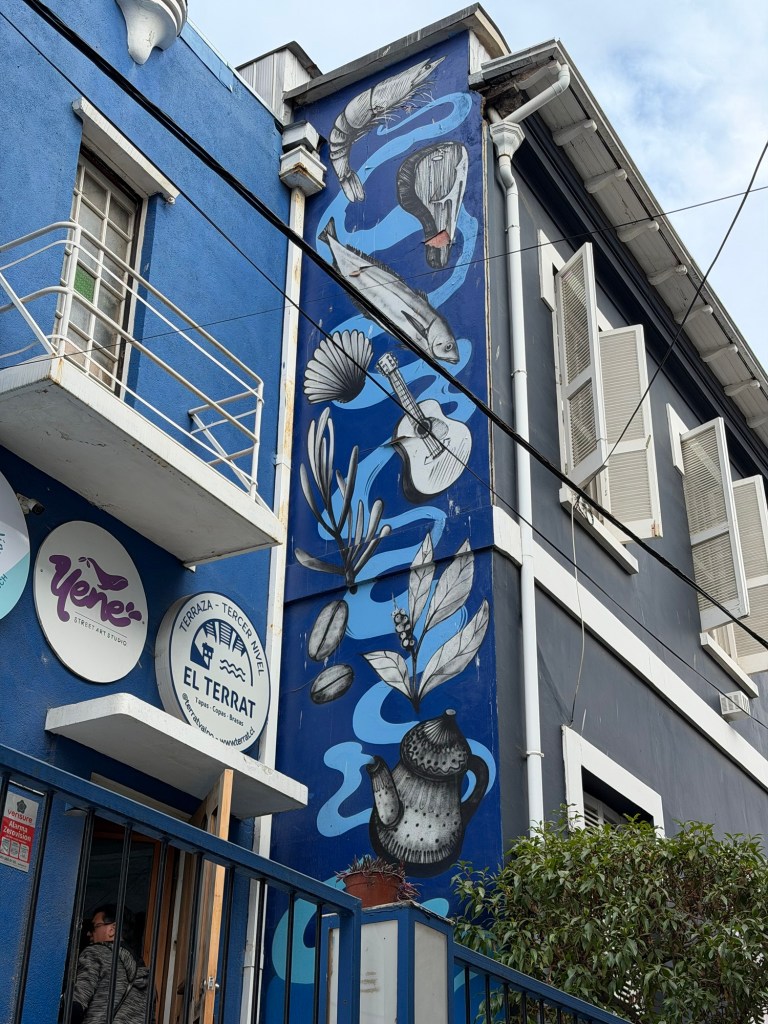
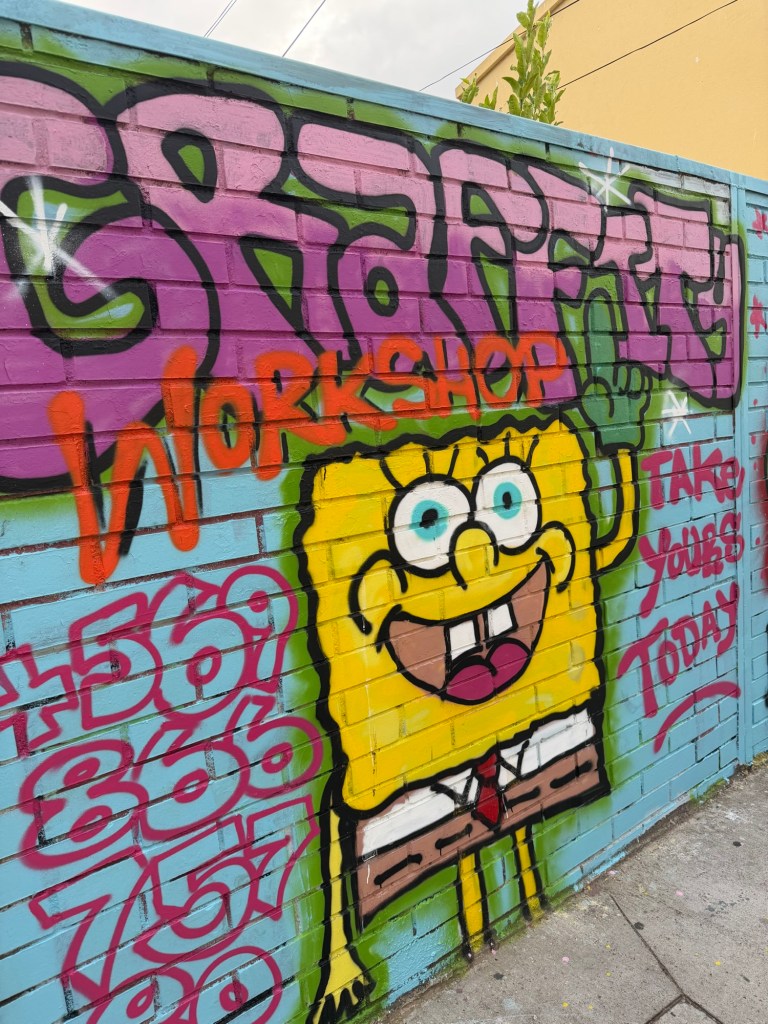
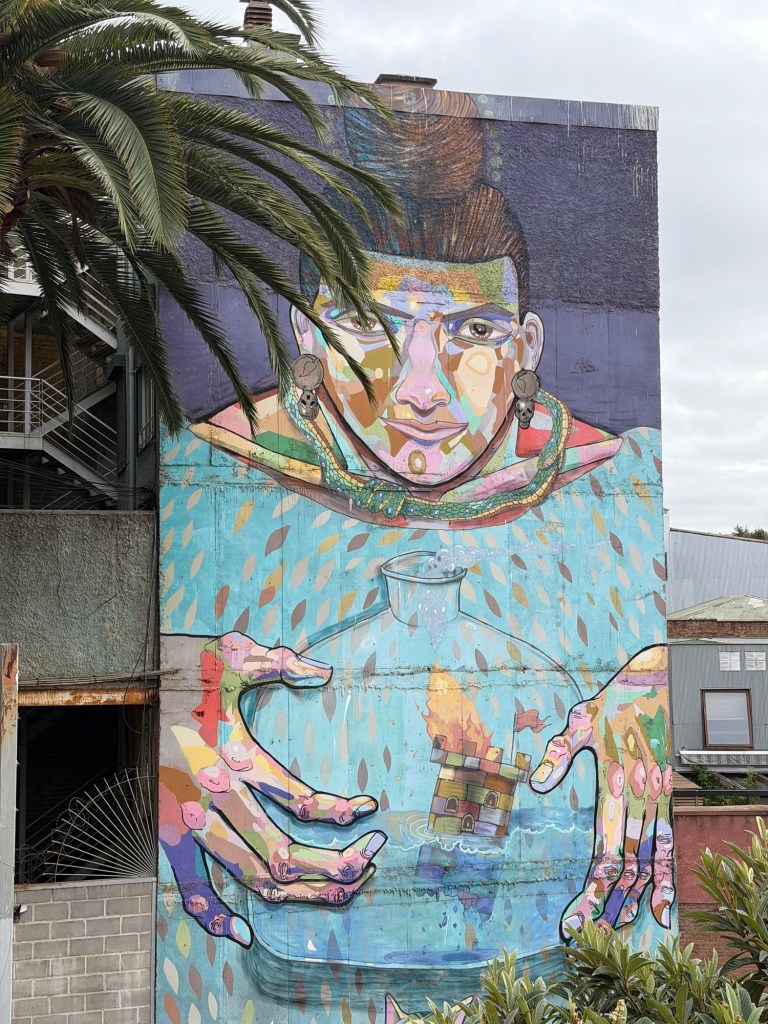
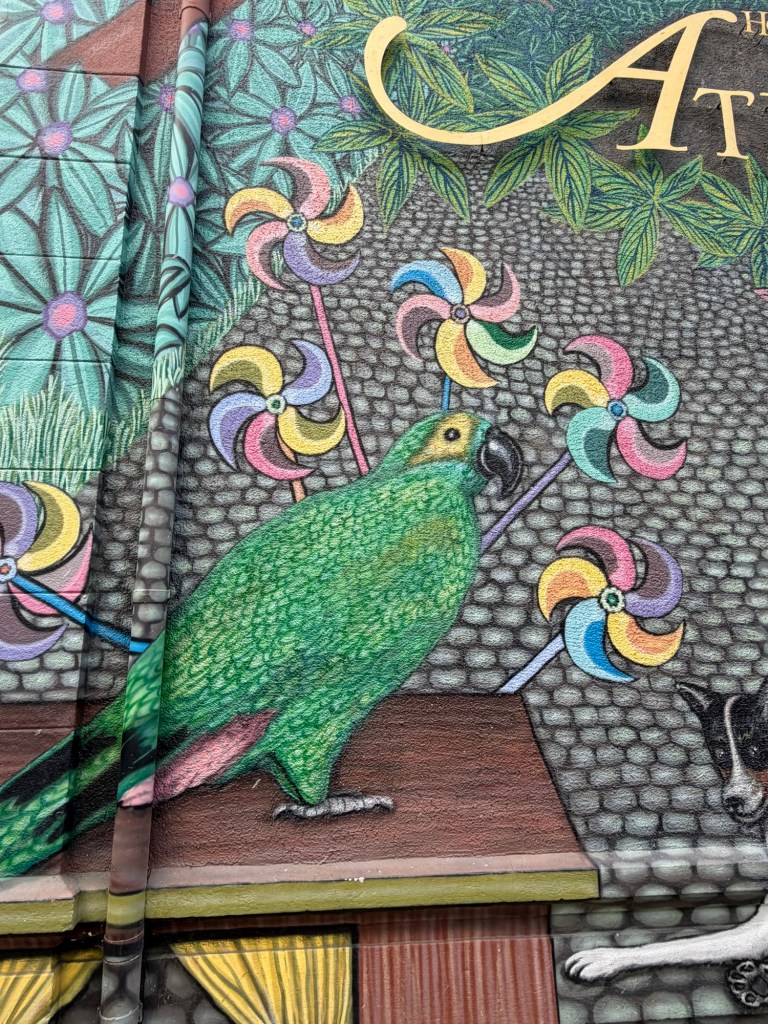
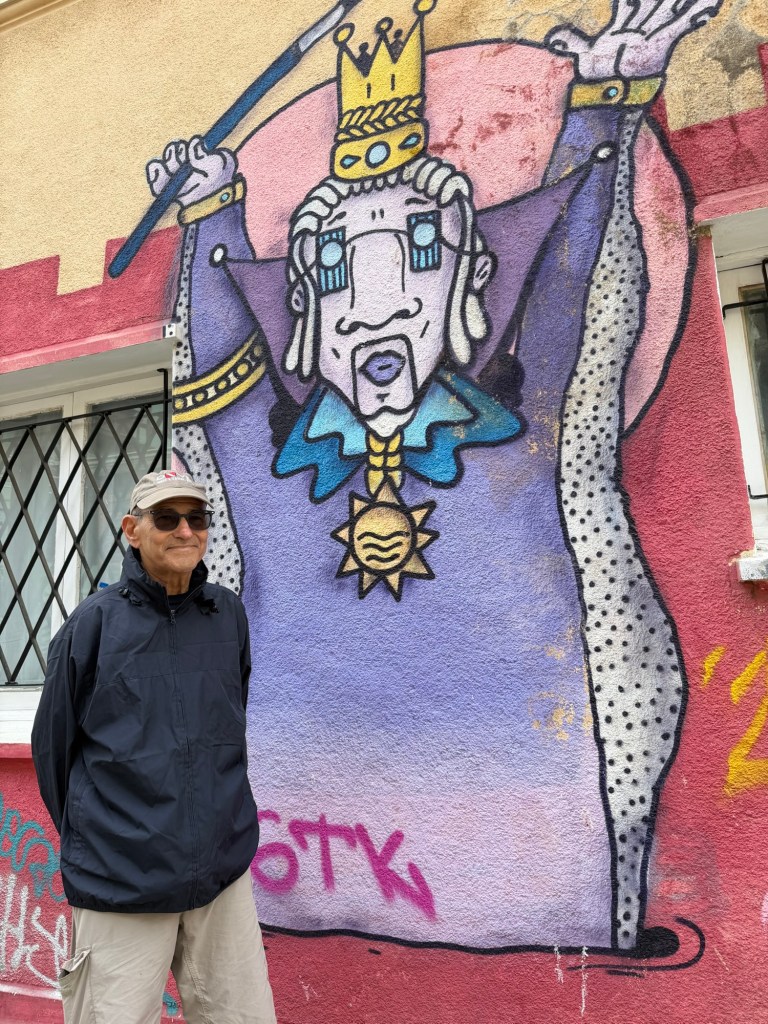
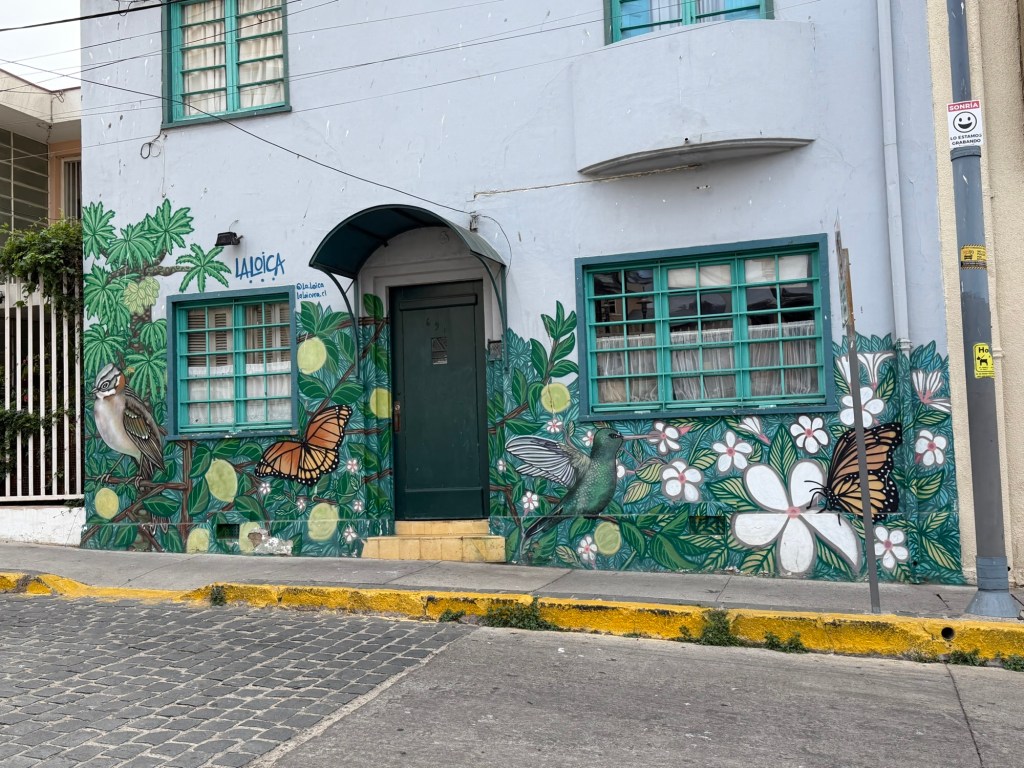
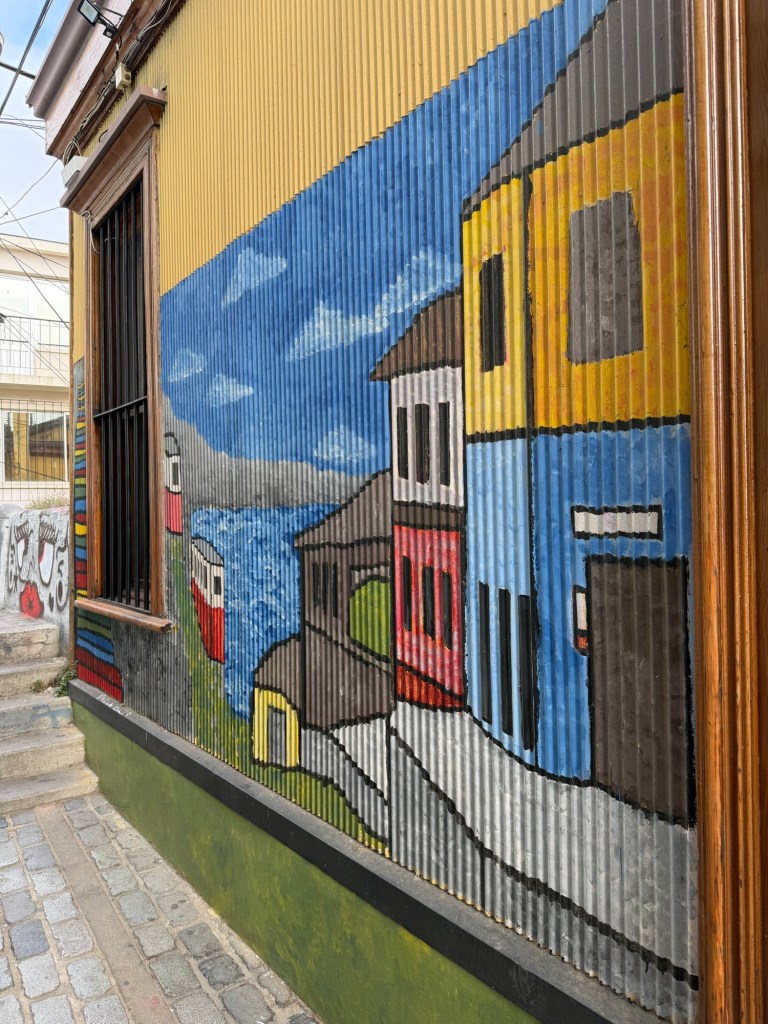
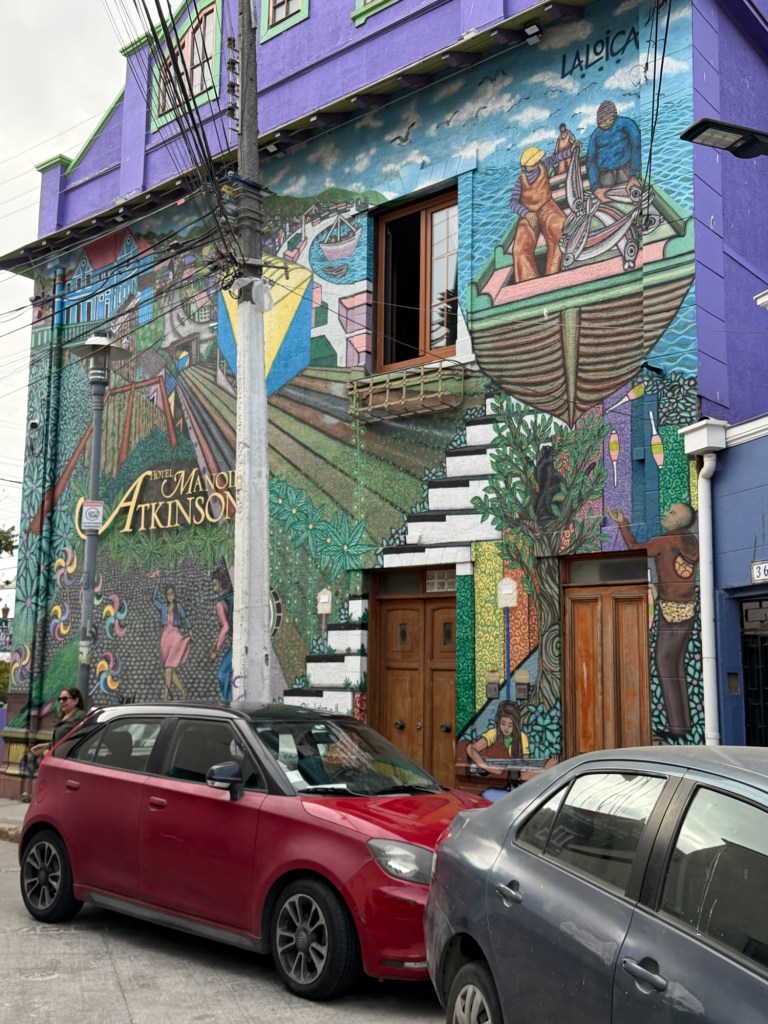
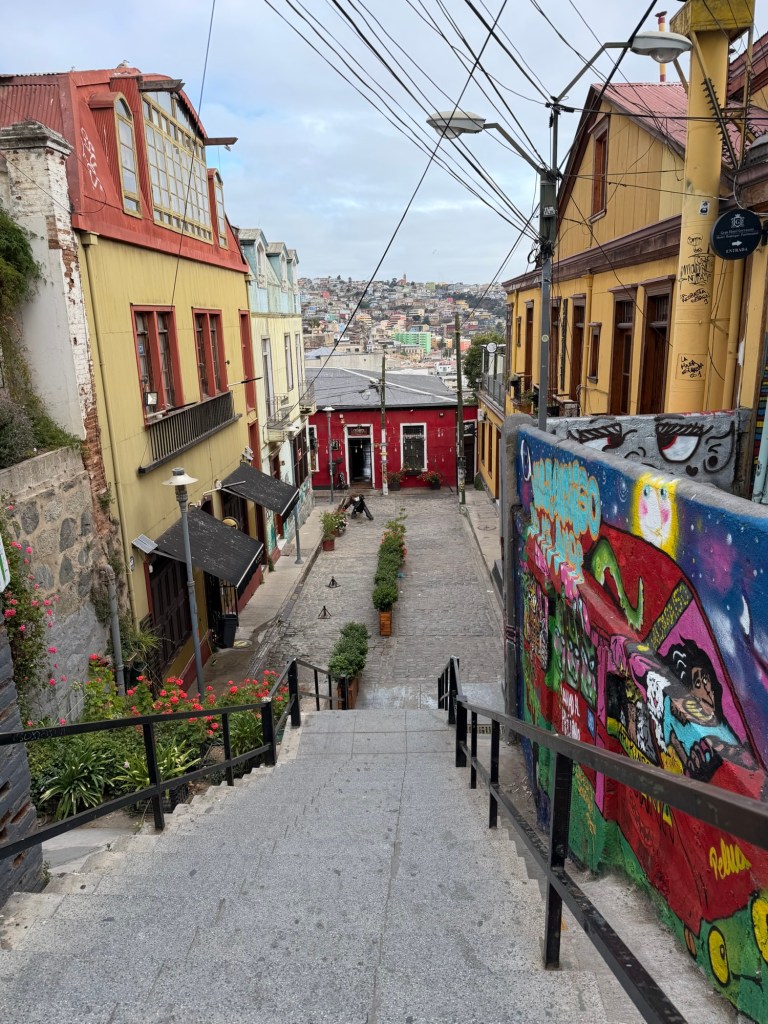
The most striking and memorable thing about Valparaiso is the incredible abundance of street art. We were told that artists from all over the world come to this city specifically to both view and add to the art gallery that graces the streets and alleyways. It was really a treat to simply wander in and out of some of the neighborhoods to see the colorful variety of painted expression.
Santiago
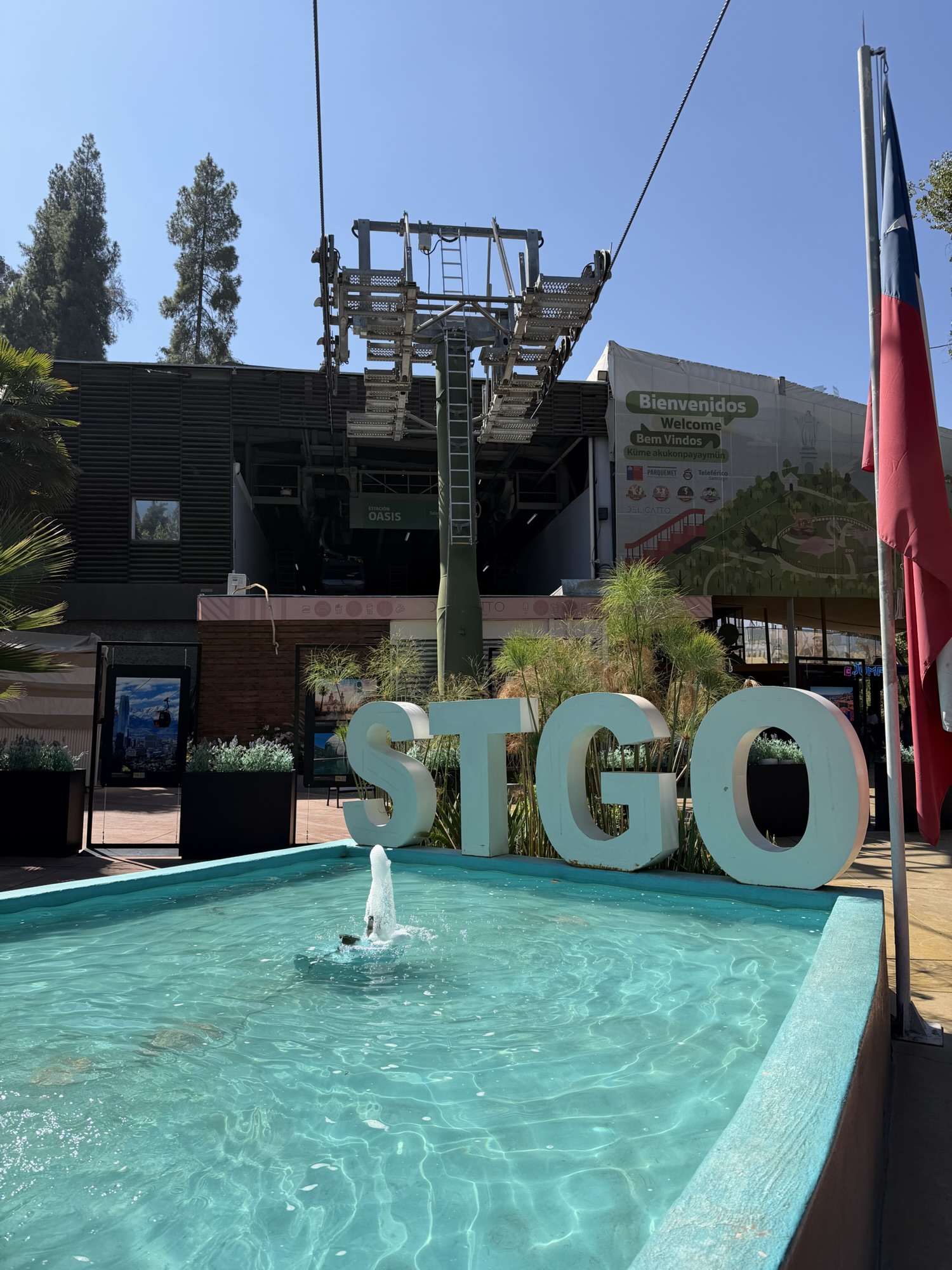
I have to admit that Santiago blew me away! This vast, sprawling, modern city is surrounded by the foothills of Andes and there are many incredible high ground vistas that give you a real sense of just how big this city is. Most development has been done through private investment and not by the government – the government does some oversight but clearly has not controlled the expansive growth with a master plan. We got an incredible overview of the city from an amusement development high atop one of the mountains that you take a funicular to, and at a very old church landmark with a massive statue of the Virgin Mother.
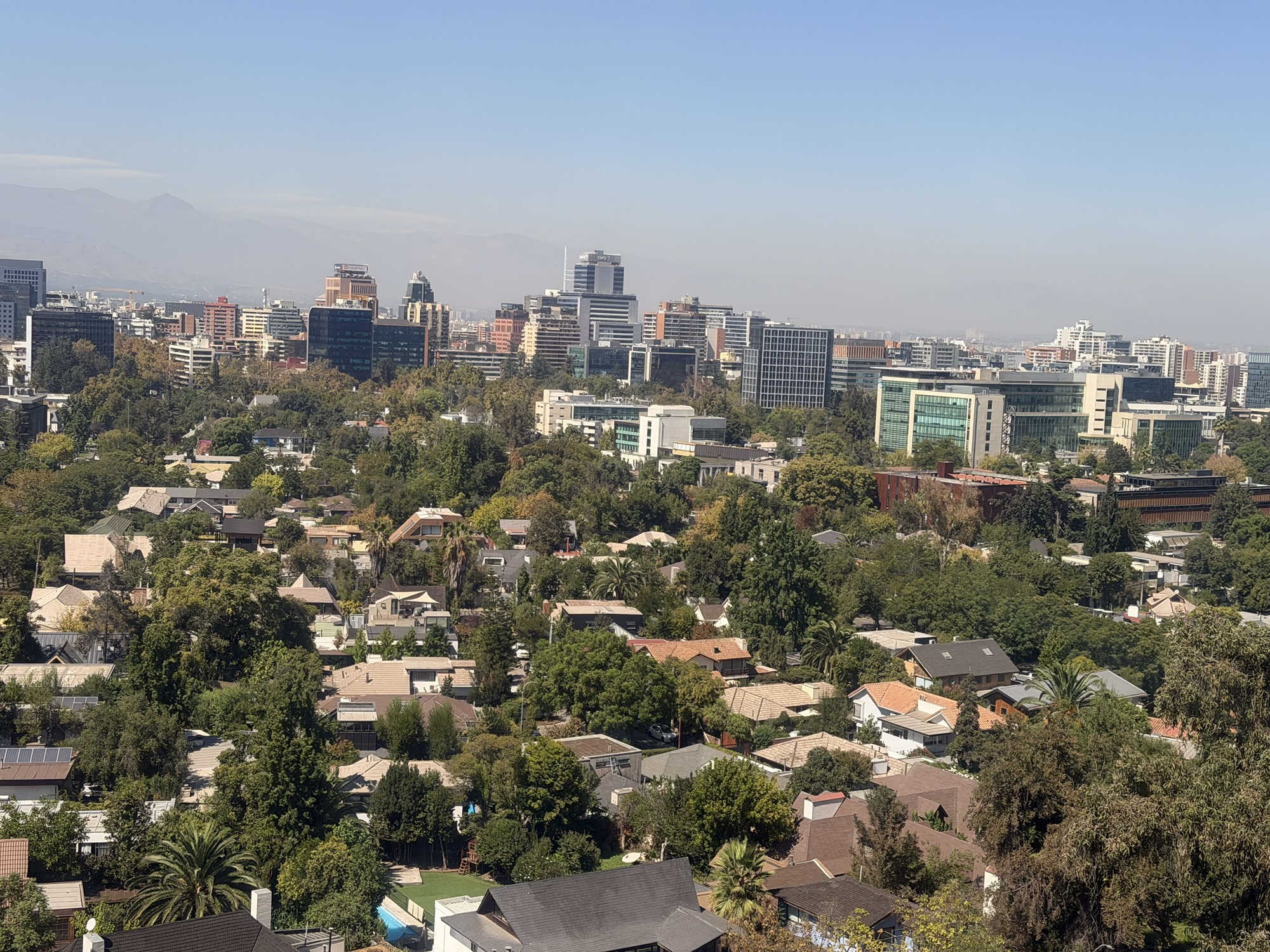
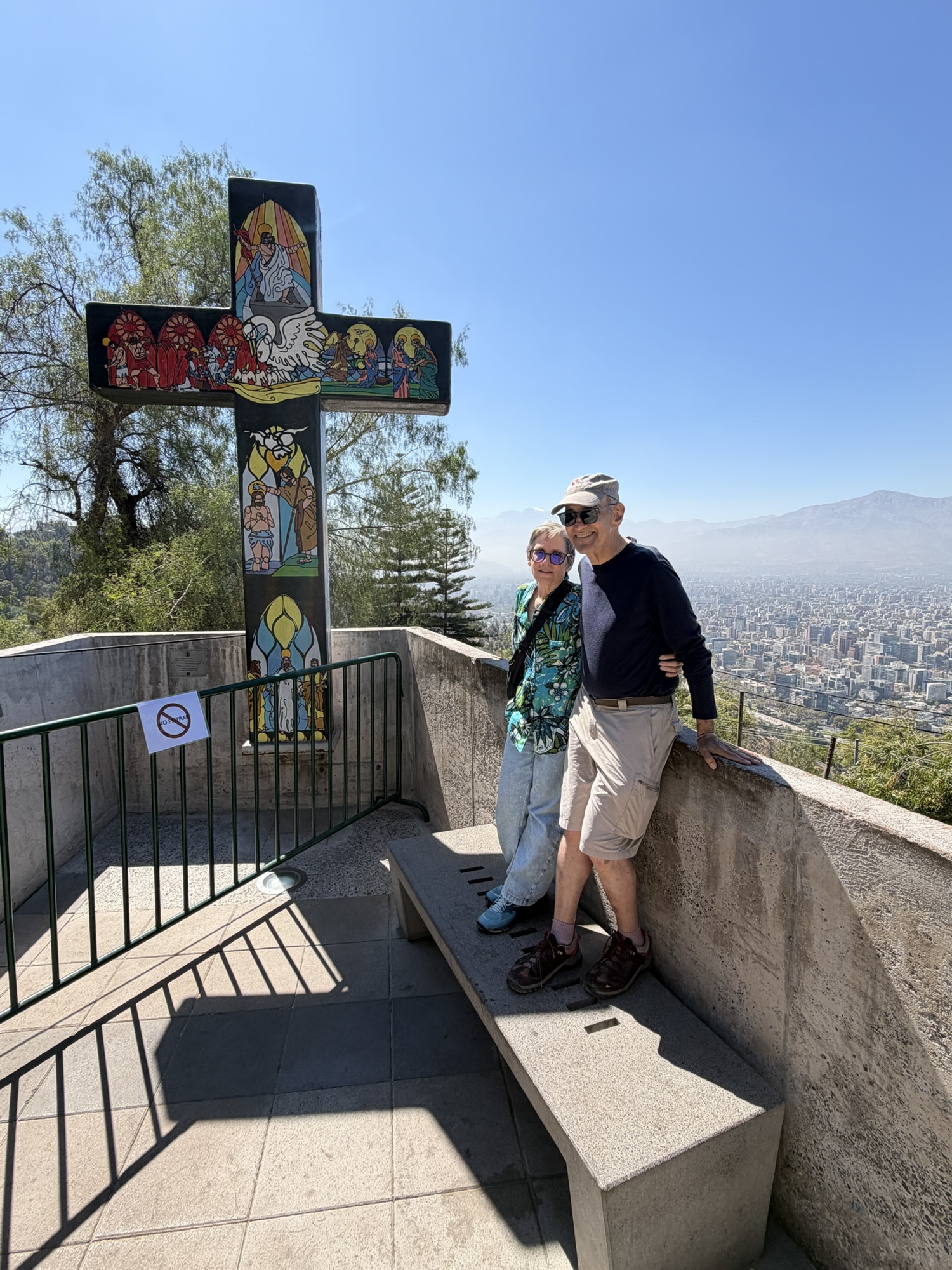
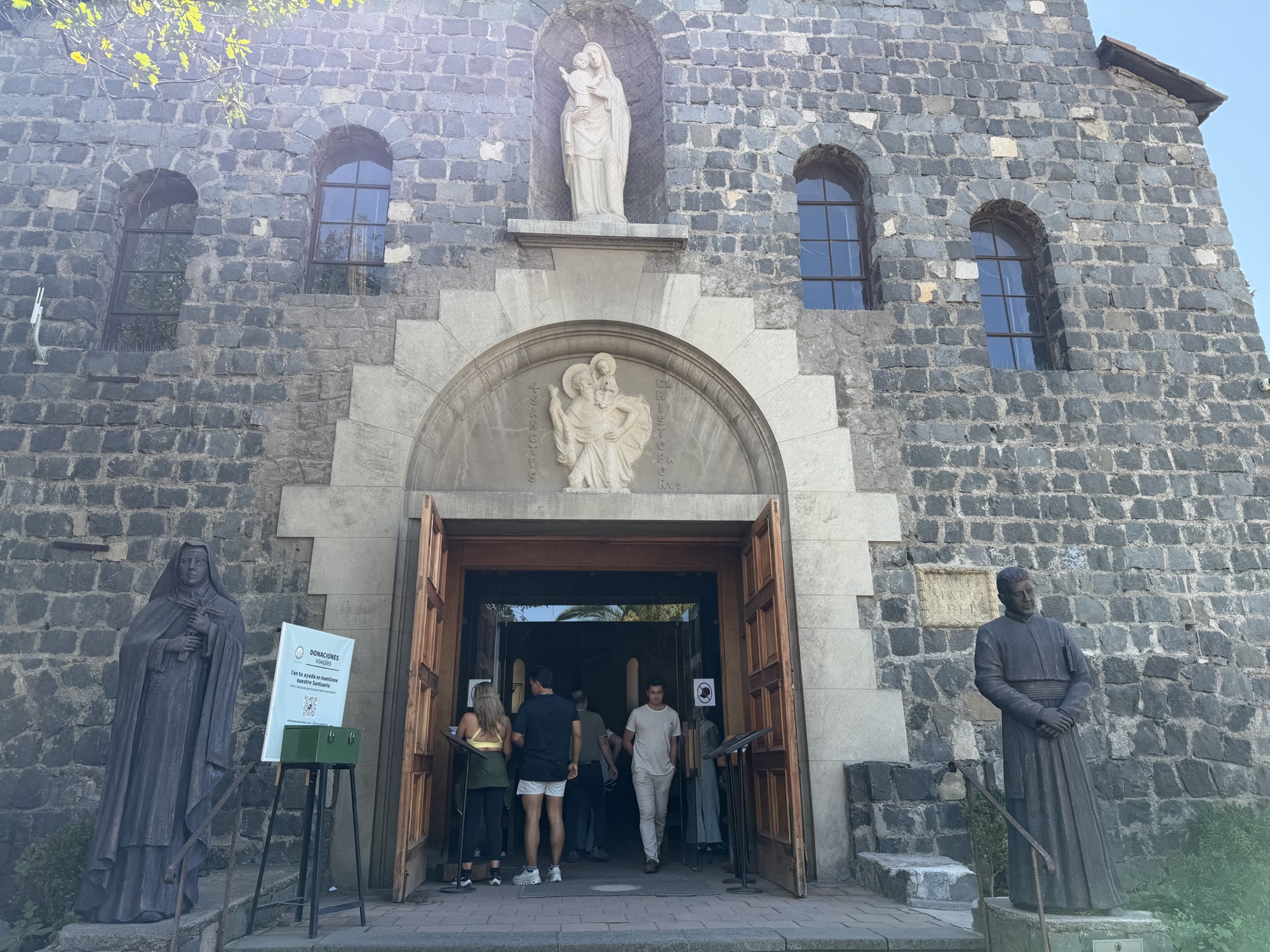
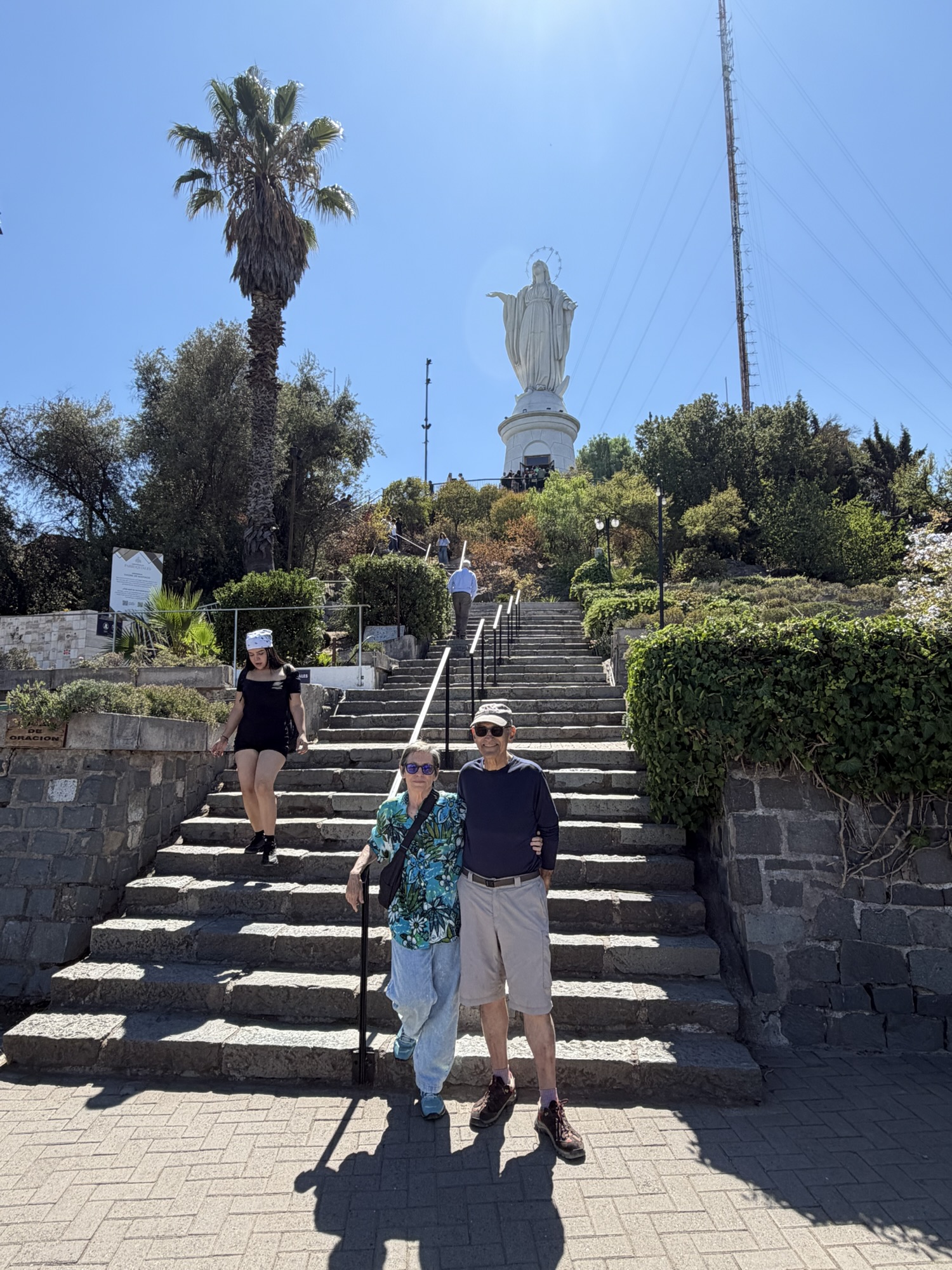
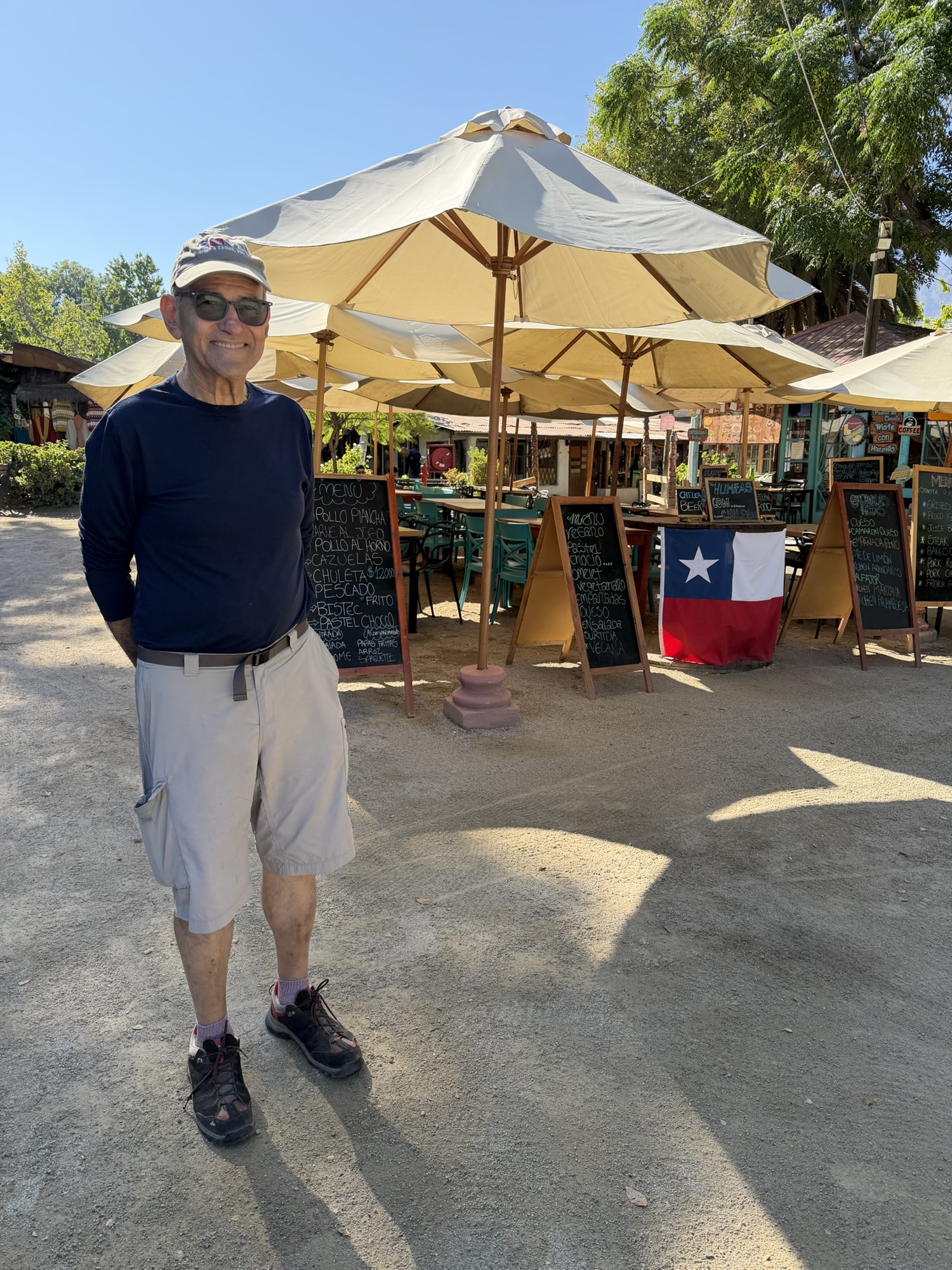
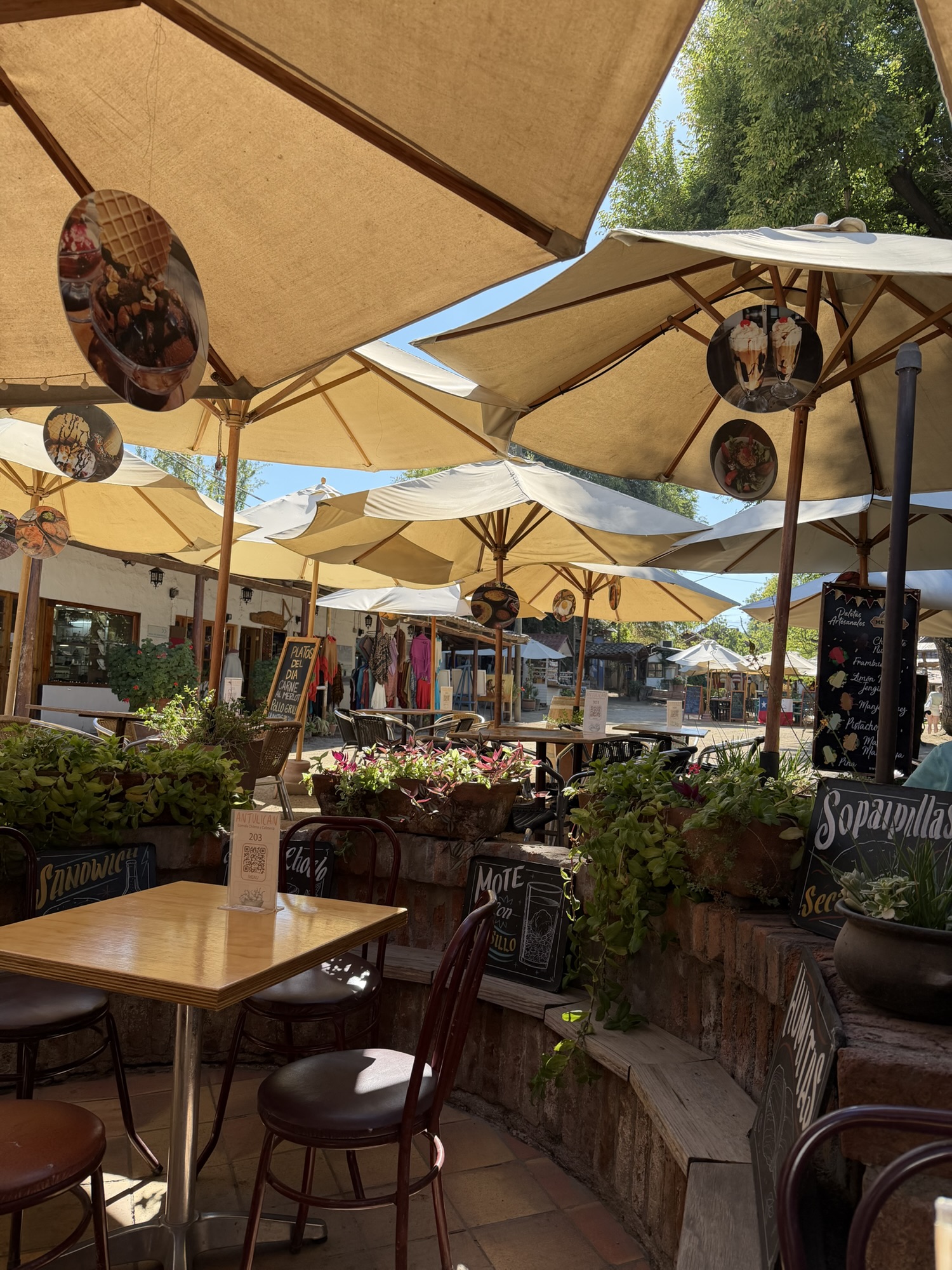
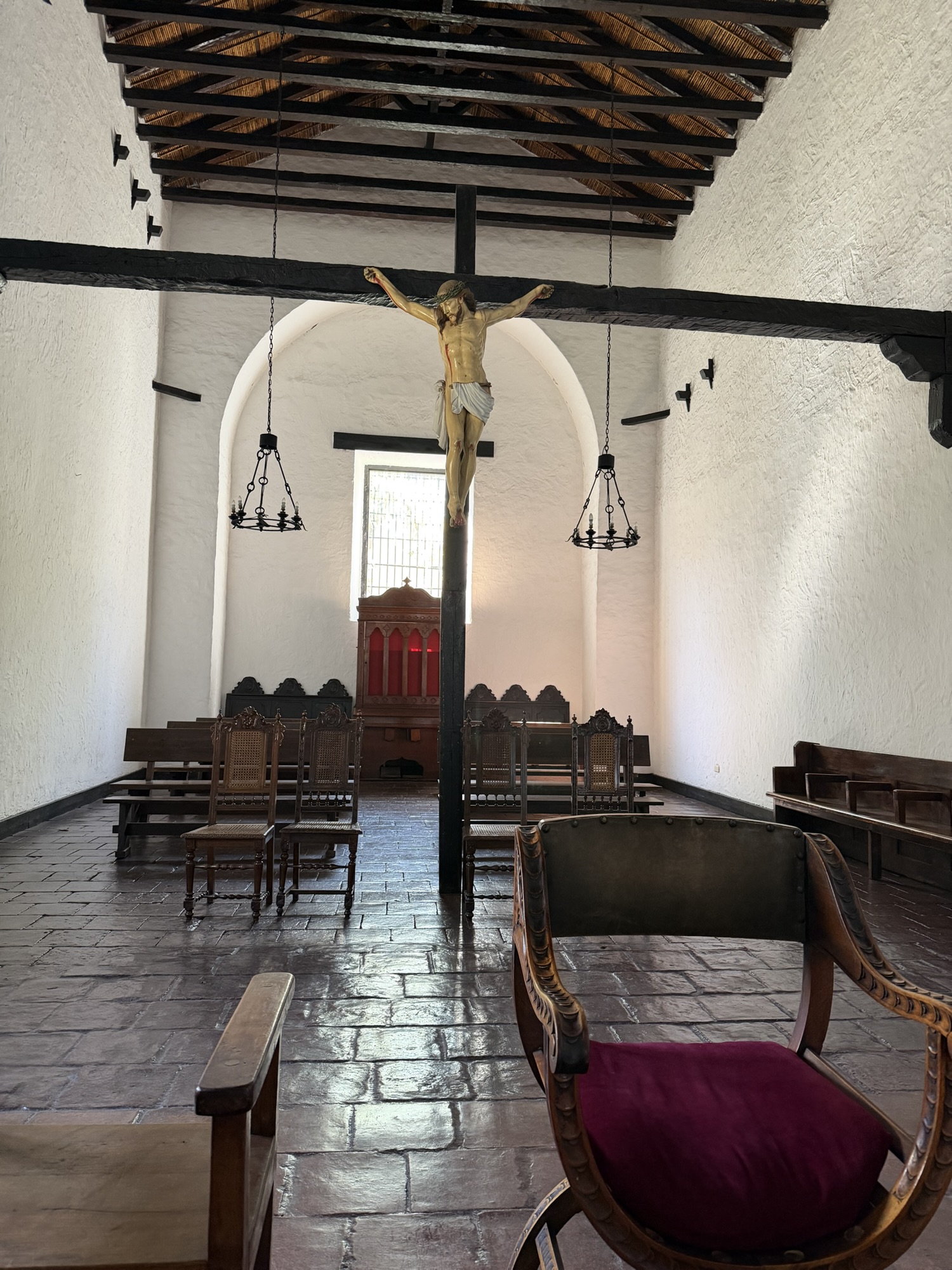
Santiago – as with any large urban center – has multiple neighborhoods that range from very wealthy and modern to more traditional, old areas that retain folk art and housing. We visited Los Dominicos Village – an art market and Dominican church with a multi-century history. The modern market in Pueblito Los Dominicos was born in the late 70s and early 80s to house the workshops and stores of craft workers and artists. Over the years, and after having been named a traditional heritage zone by the Chilean government, the place is now popular among Chilean and international tourists.
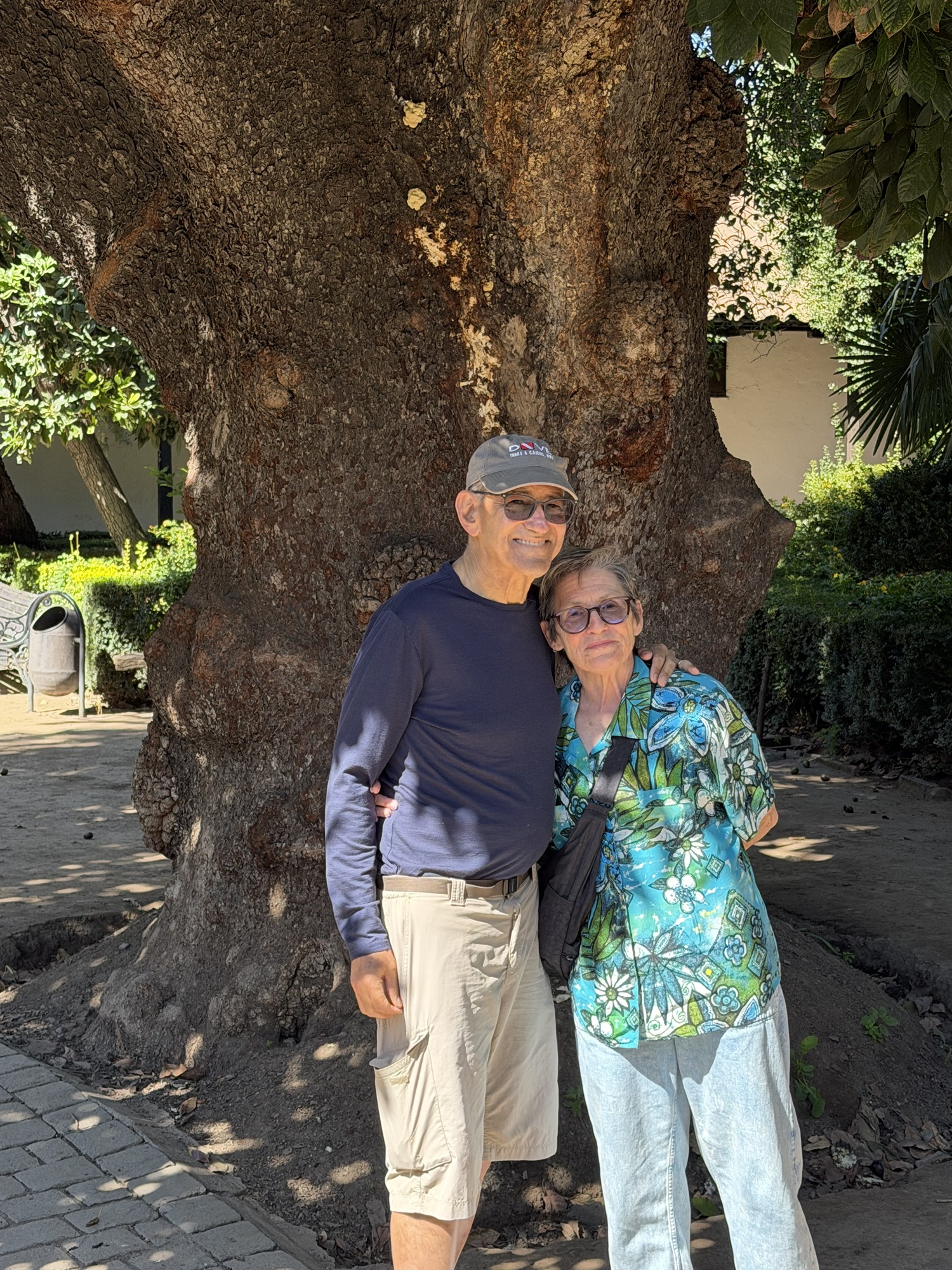
In all, this loop around the southern part of South America was rich in wildlife, majestic scenery, indigenous history, and all-too-brief encounters with locals. Andrew and I did conclude that our happy travel mode is a more intimate, slower but more active itinerary with more time to simply experience and interact with people from the places we visit. In any case, all experiences when we travel are a learning experience and this trip was no exception.
Hasta luego, amigos!


Leave a Reply