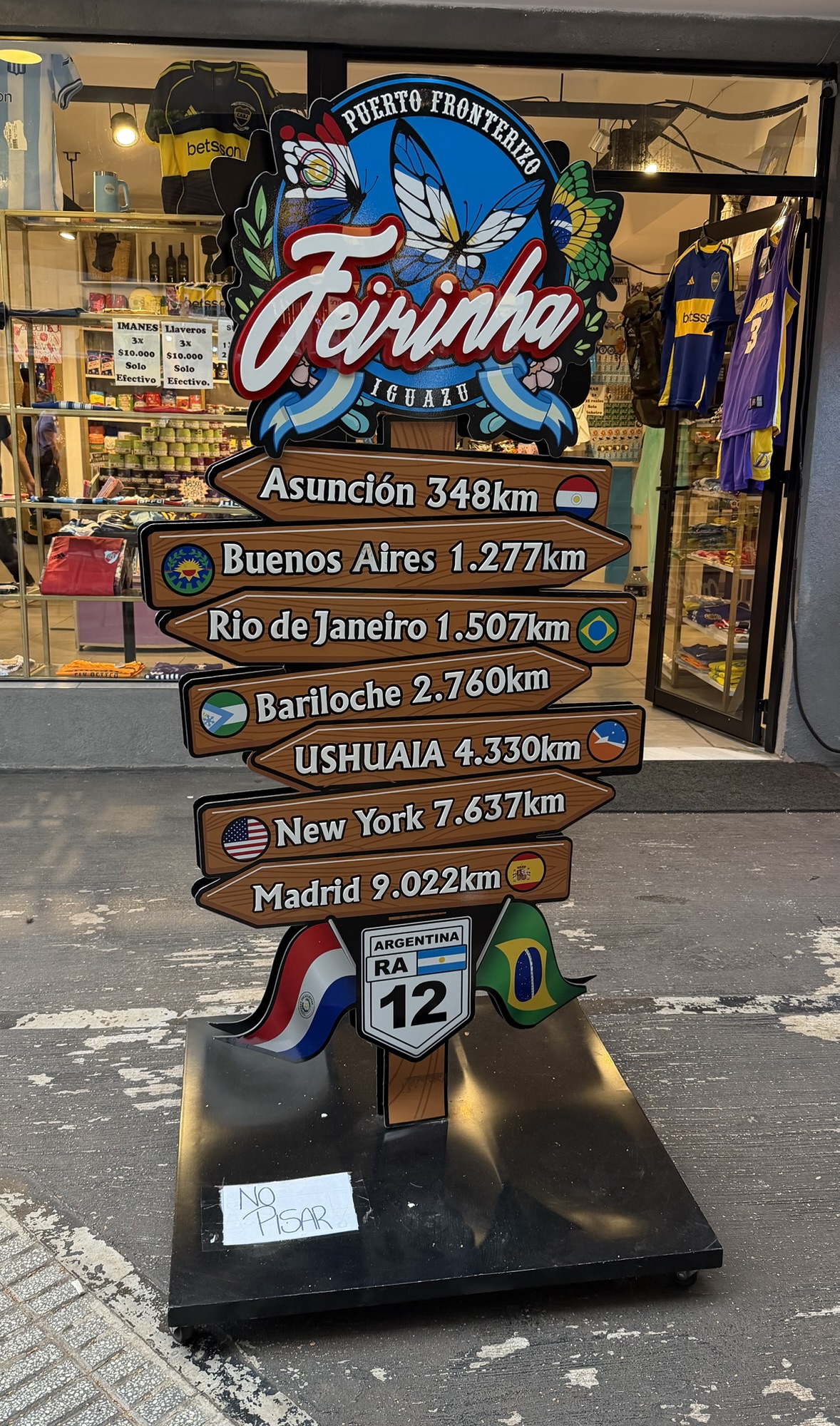
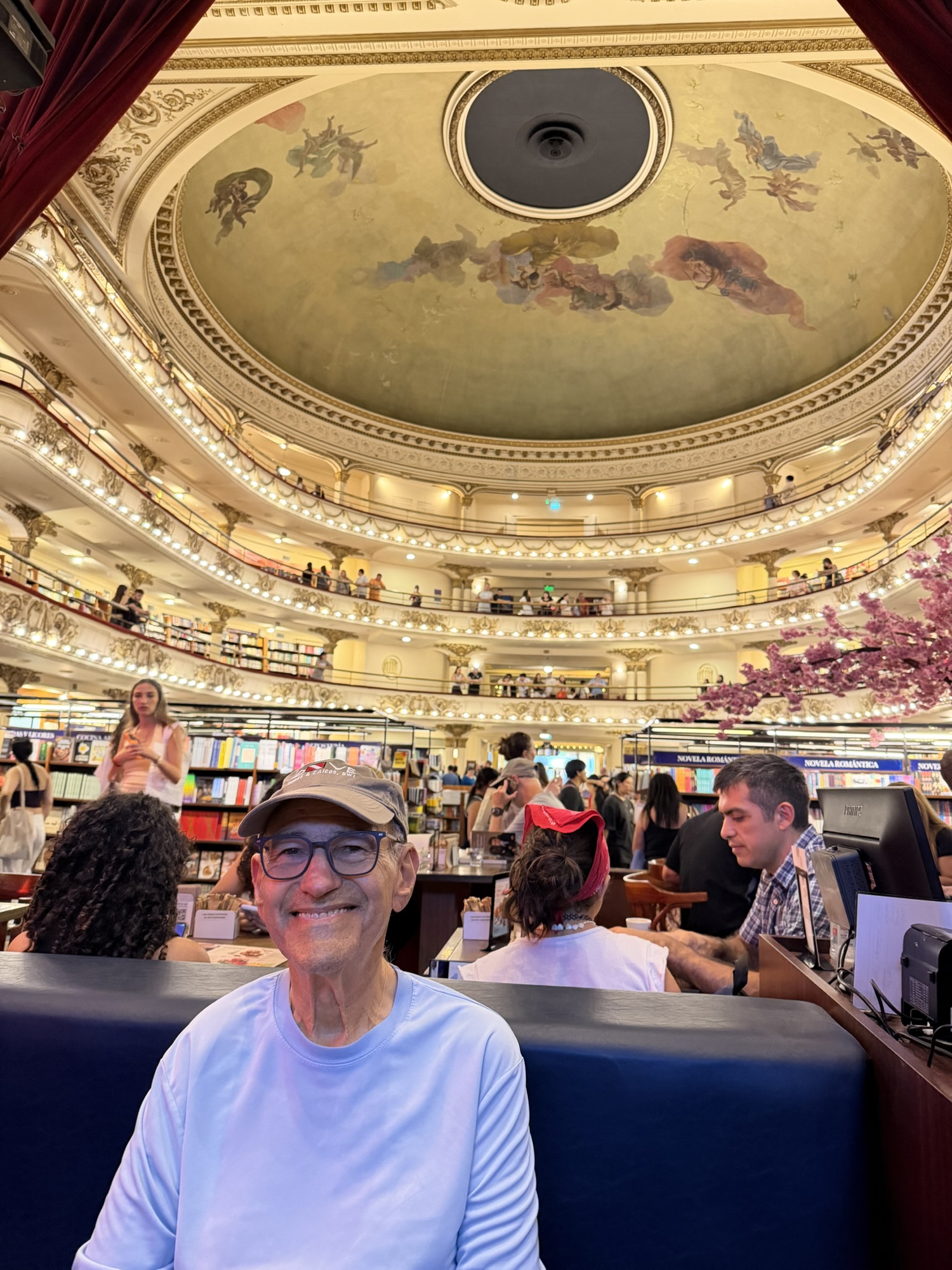
The flight back from Iguazu to Buenos Aires was short and uneventful, and we were glad to have another afternoon and almost full day to explore Buenos Aires. The one thing we had been able to do before heading to Iguazu was a visit to El Ateneo Grand Splendid – an incredible bookstore and cafe housed in an old ornate theatre. It is two magnificent floors of books on a myriad of subjects.
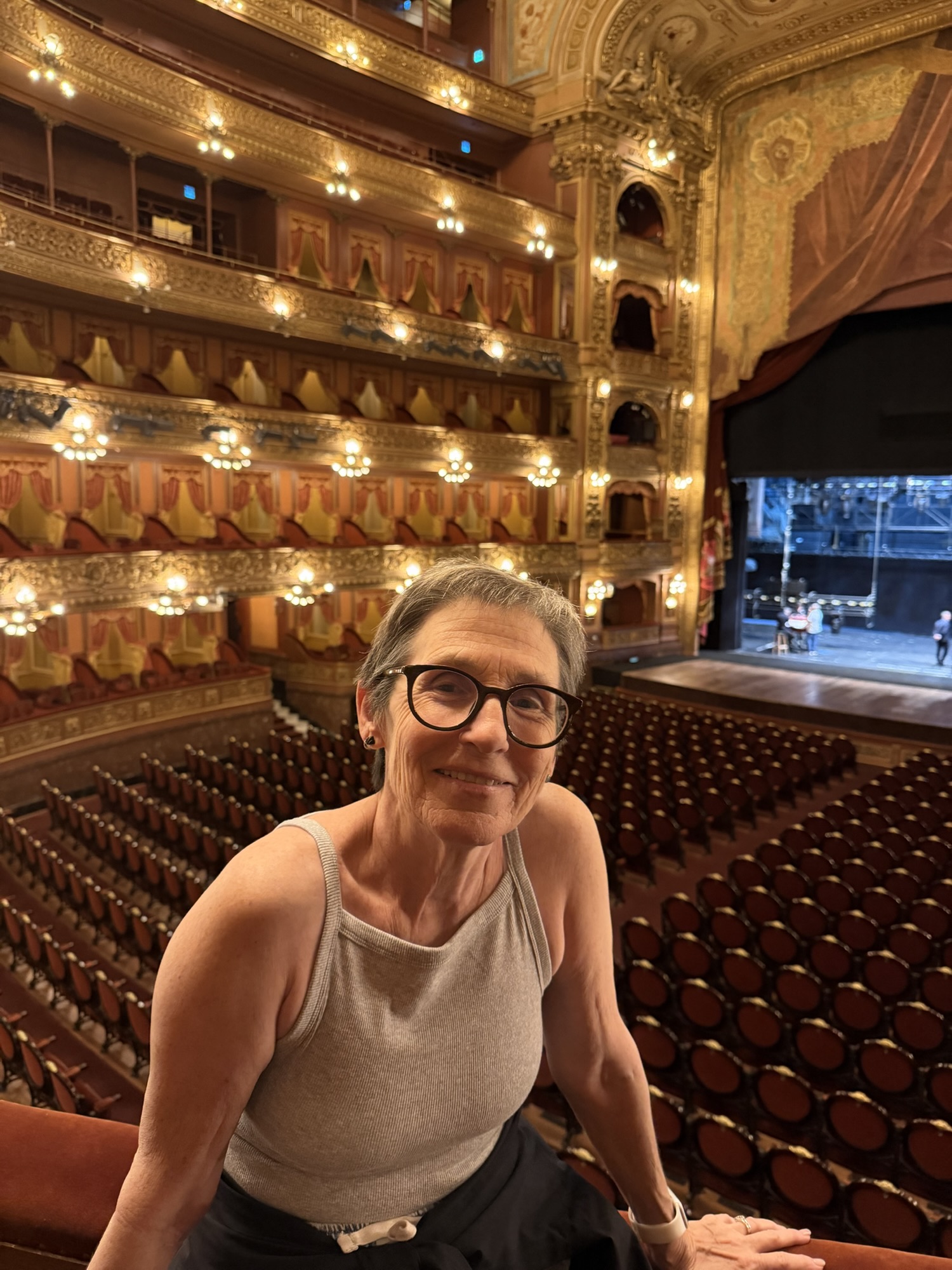
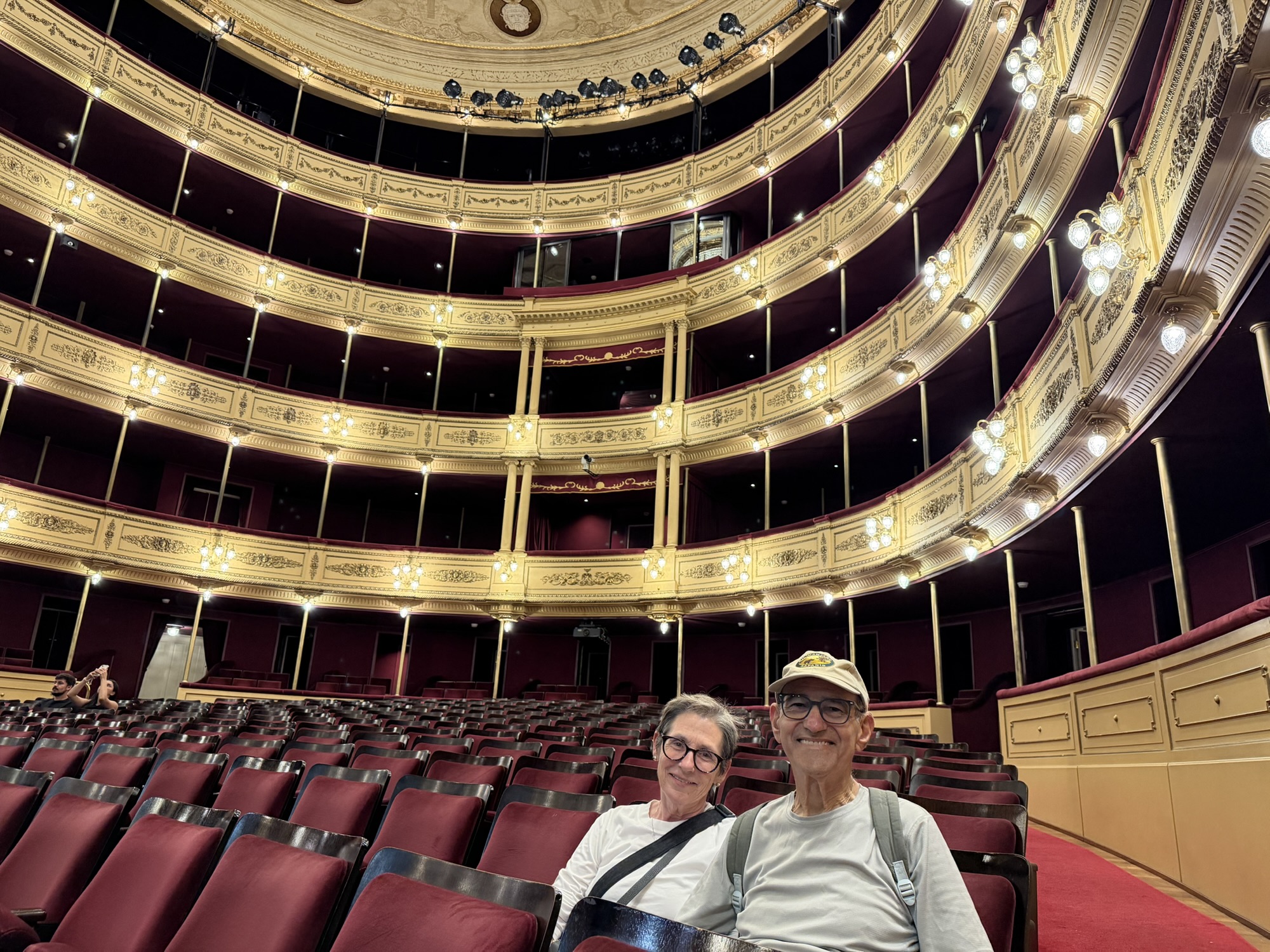
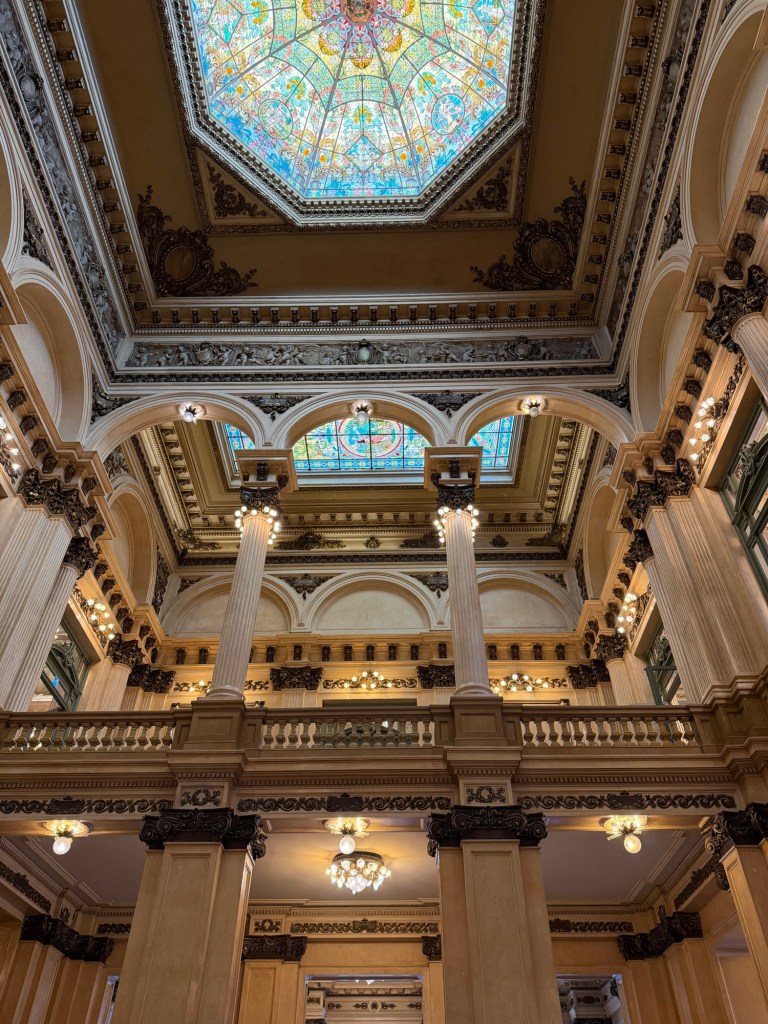
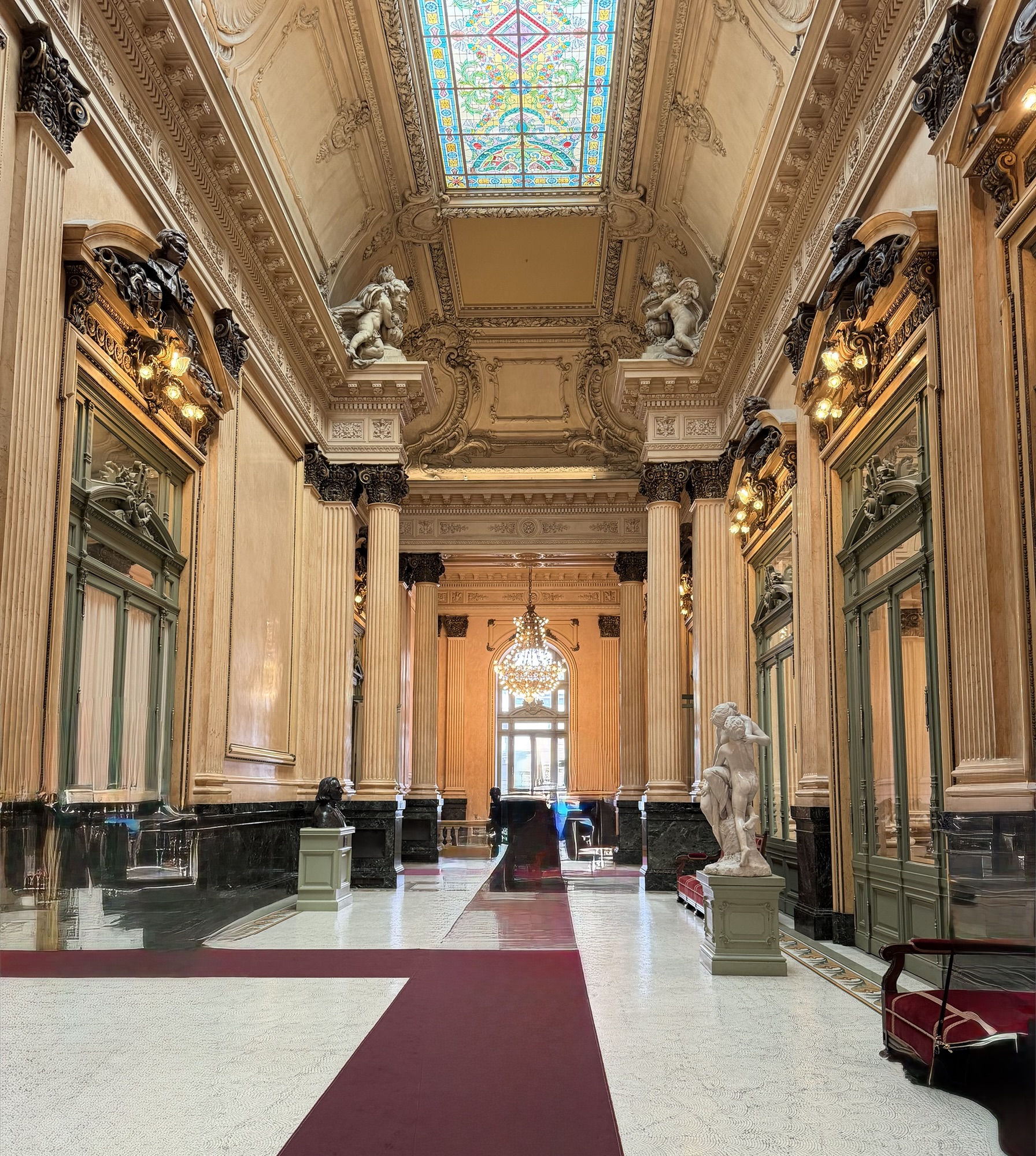
On return from Iguazu we were able to tour the beautiful Theatre Colon that is a venue for music, dance and more. The building is quite beautiful and the history of how the theatre was built from many imported materials as well as the description of how the seating was very stratified by station in life made the brief tour with a guide very worthwhile.
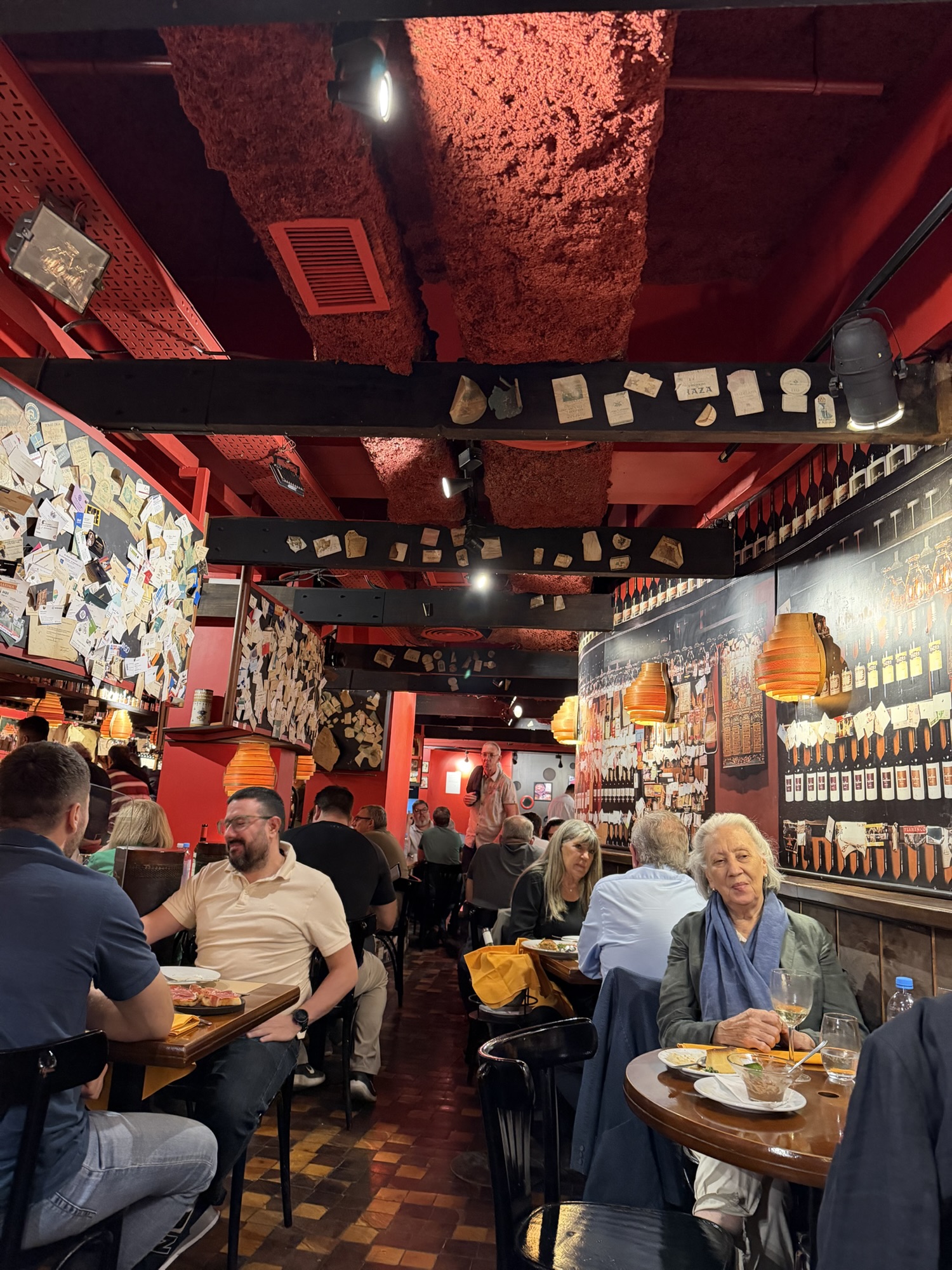
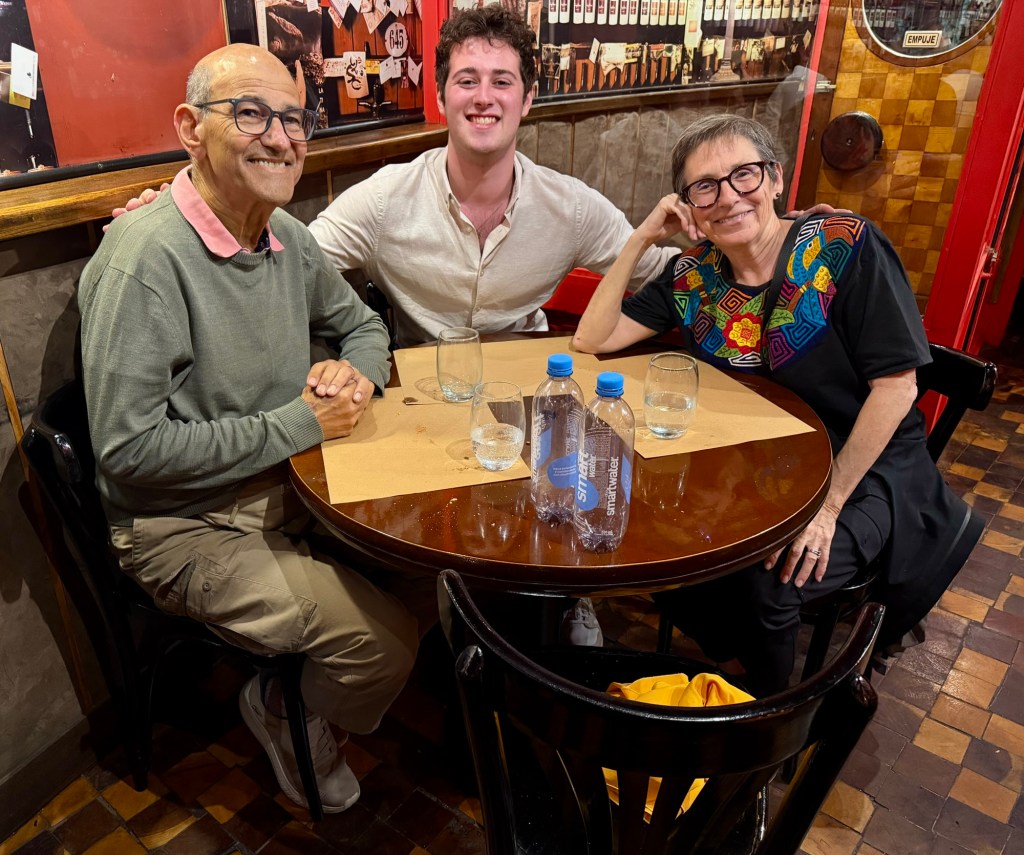
We were delighted to be able to meet up for dinner with the son of friends of ours from our Seattle days. Matthew knew our son Ari as that was his babysitter so many years ago! Matthew is in Buenos Aires for a semester abroad program, and he was truly a delight to get to know as an adult. The restaurant we ate at, called Tancat, is highly recommended for local cuisine.
The morning of our cruise embarkation gave us time to take a pre-arranged tour of the Jewish community landmarks in the city. Buenos Aires hosts the largest Jewish population in Latin America, with estimates ranging up to 200,000 residing in the city and its surrounding metropolitan area. Called “Once” (On-say in Spanish), it was named first after train station 11; then as neighborhoods in the city were designated, this area became known as Zona Once (11). It is the sixth-largest Jewish community outside of Israel and is highly integrated, with a strong presence in the city’s cultural, political, and social life. There are about 80 synagogues in Buenos Aires, and over 25 of these are part of the Chabad sect.
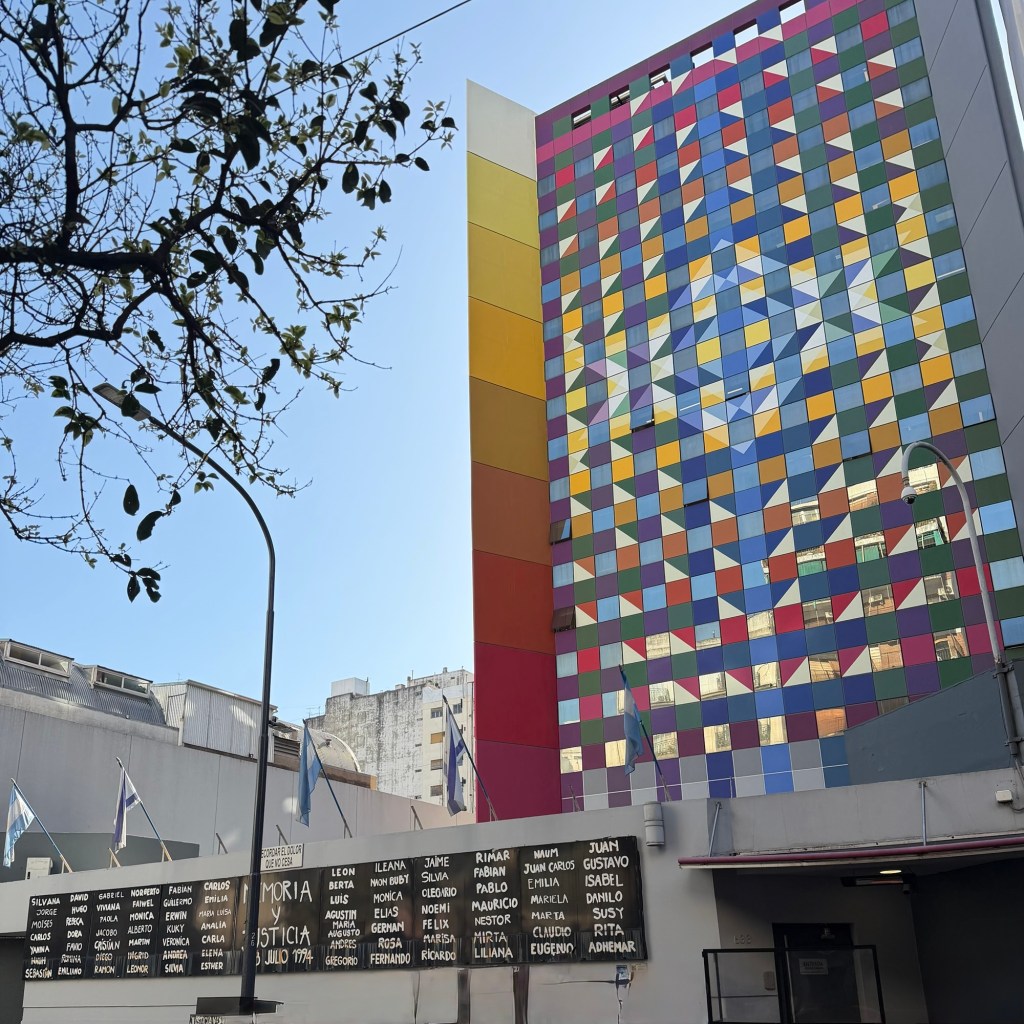
On our walking tour of this area, we stopped to see the AMIA building, comparable to our Jewish Federation buildings in the US as it houses many Jewish administration and service offices. The Asociación Mutual Israelita Argentina (“Argentine Israelite Mutual Association”), was bombed in 1994. A suicide attack by a bomb-laden van was driven into the AMIA building and detonated, killing 85 people and injuring over 300. To date, the bombing remains the deadliest terrorist attack in Argentine history. A new building was constructed on the same site and it is heavily guarded to the point that we were not allowed to take photos (I was able to snap one photo), much less tour the building. The names of all those who were murdered are displayed in front of the building.
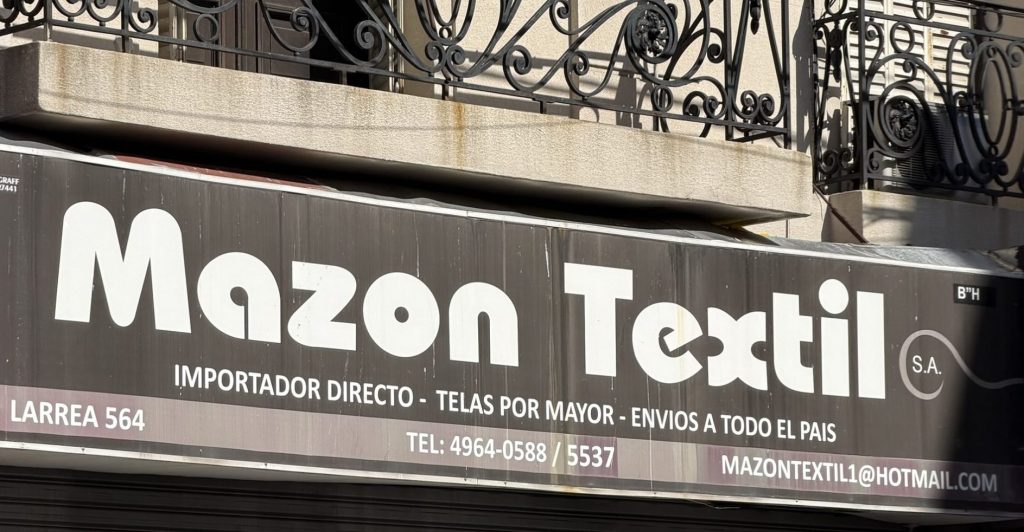
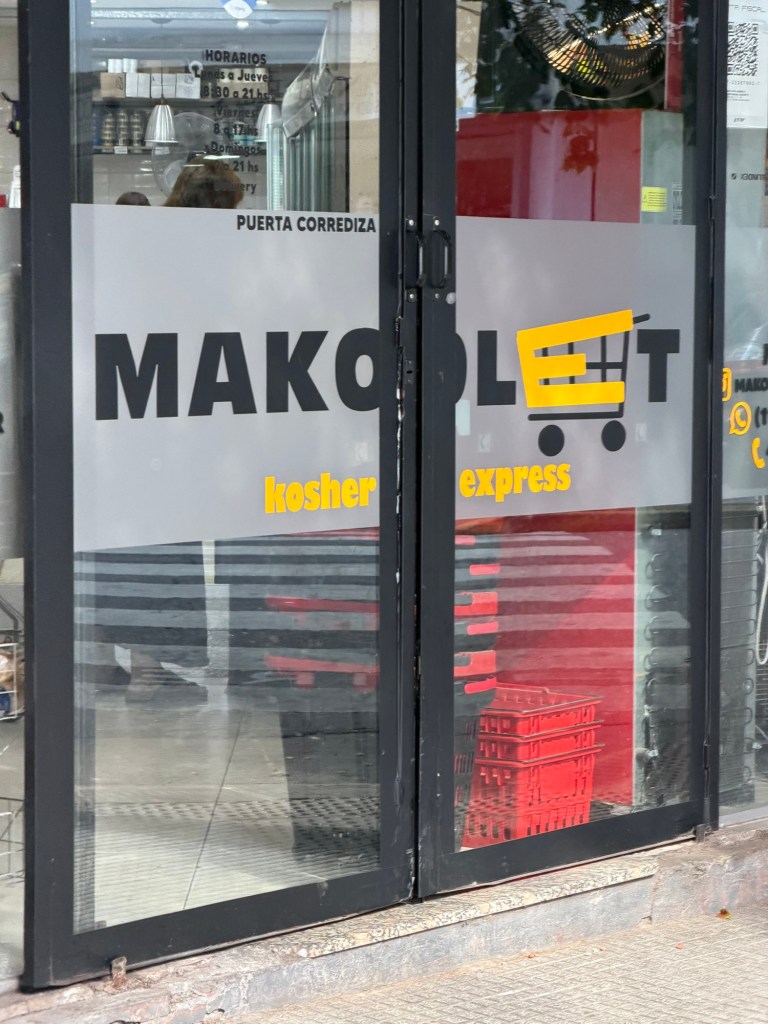
As we strolled through the neighborhood, it was clear that textiles are the historic as well as current staple business of the Jews who emigrated here. In addition, there are a number of Kosher restaurants to cater to the more religious that settled in this enclave.
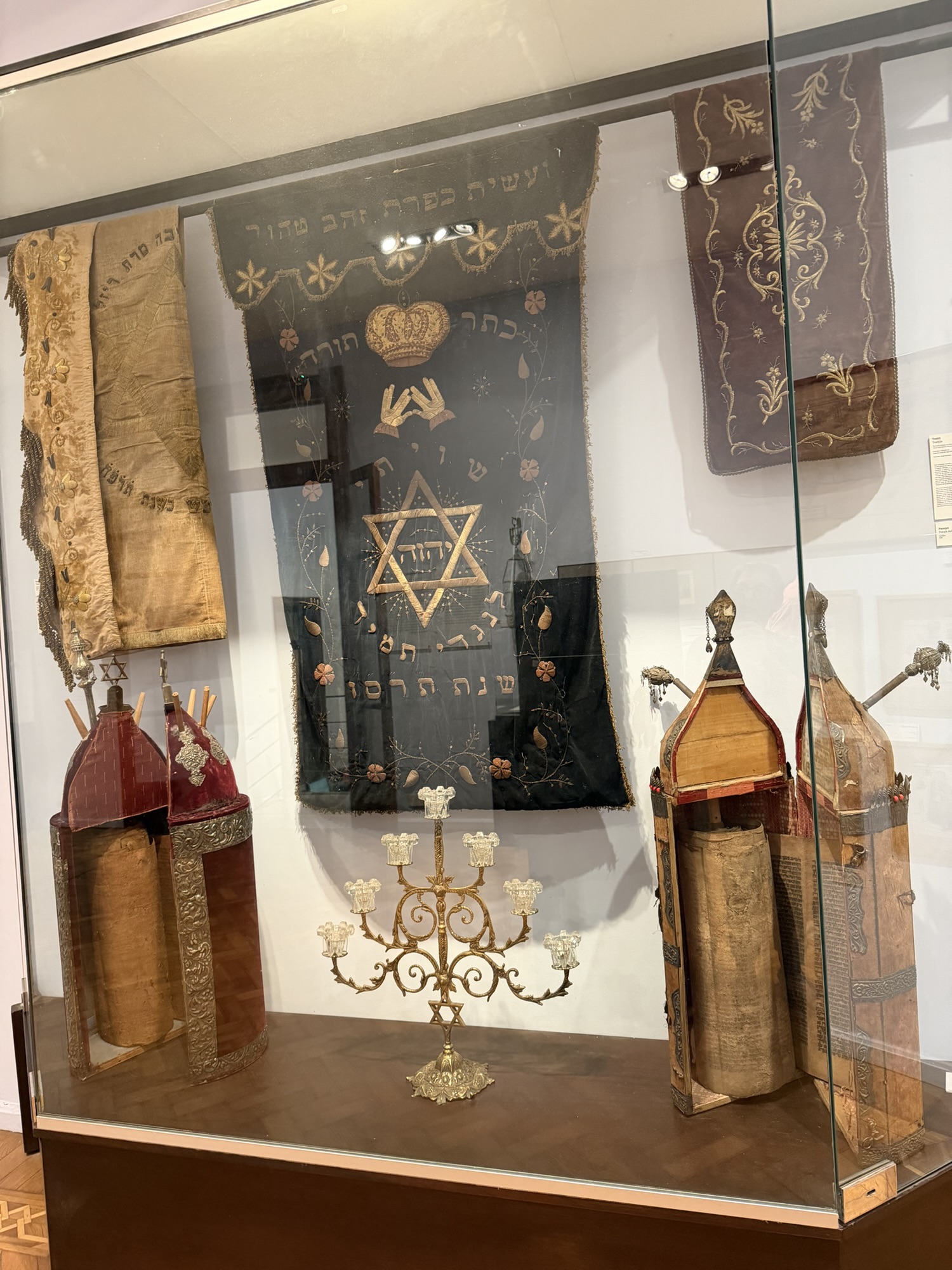
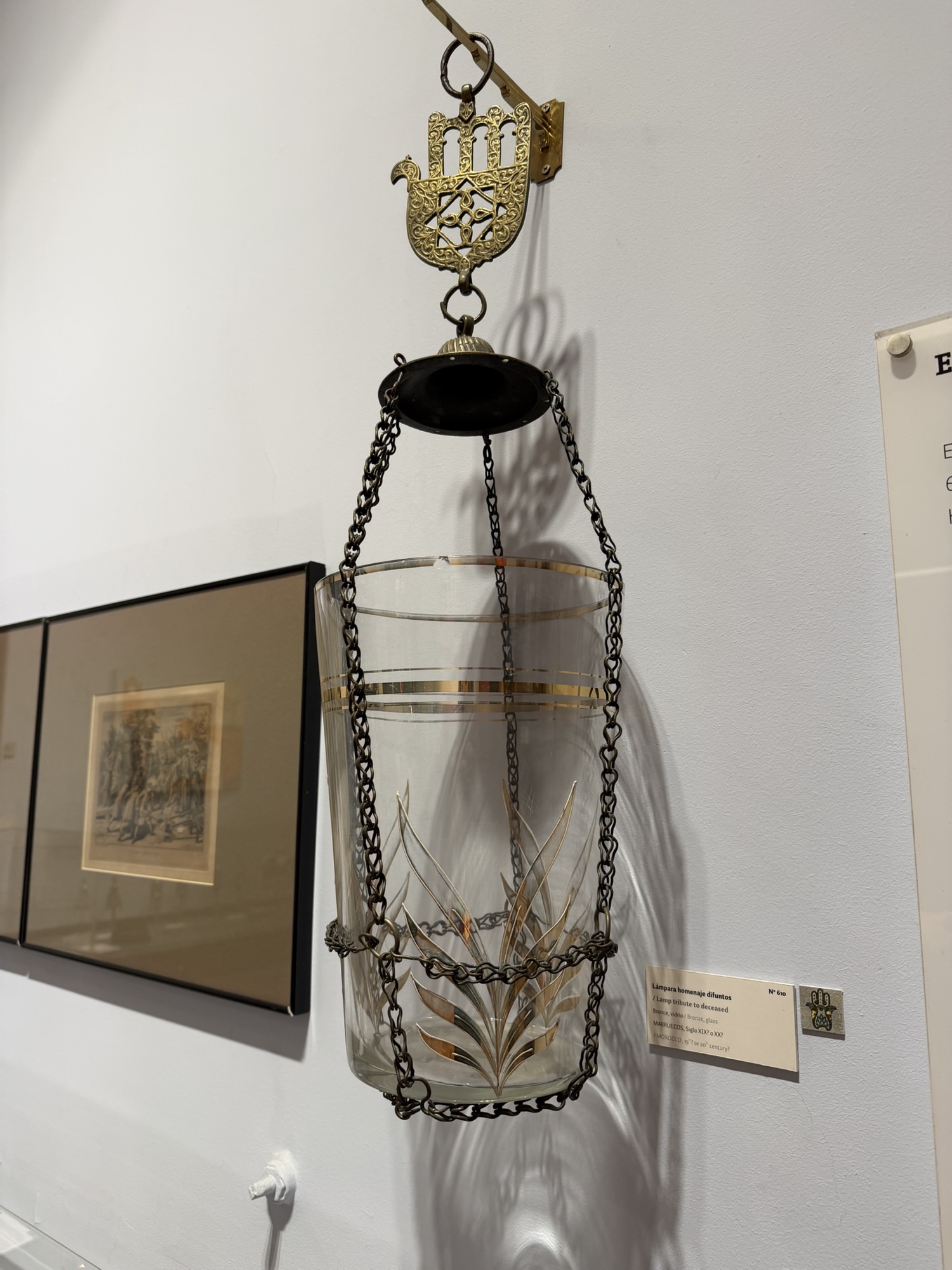
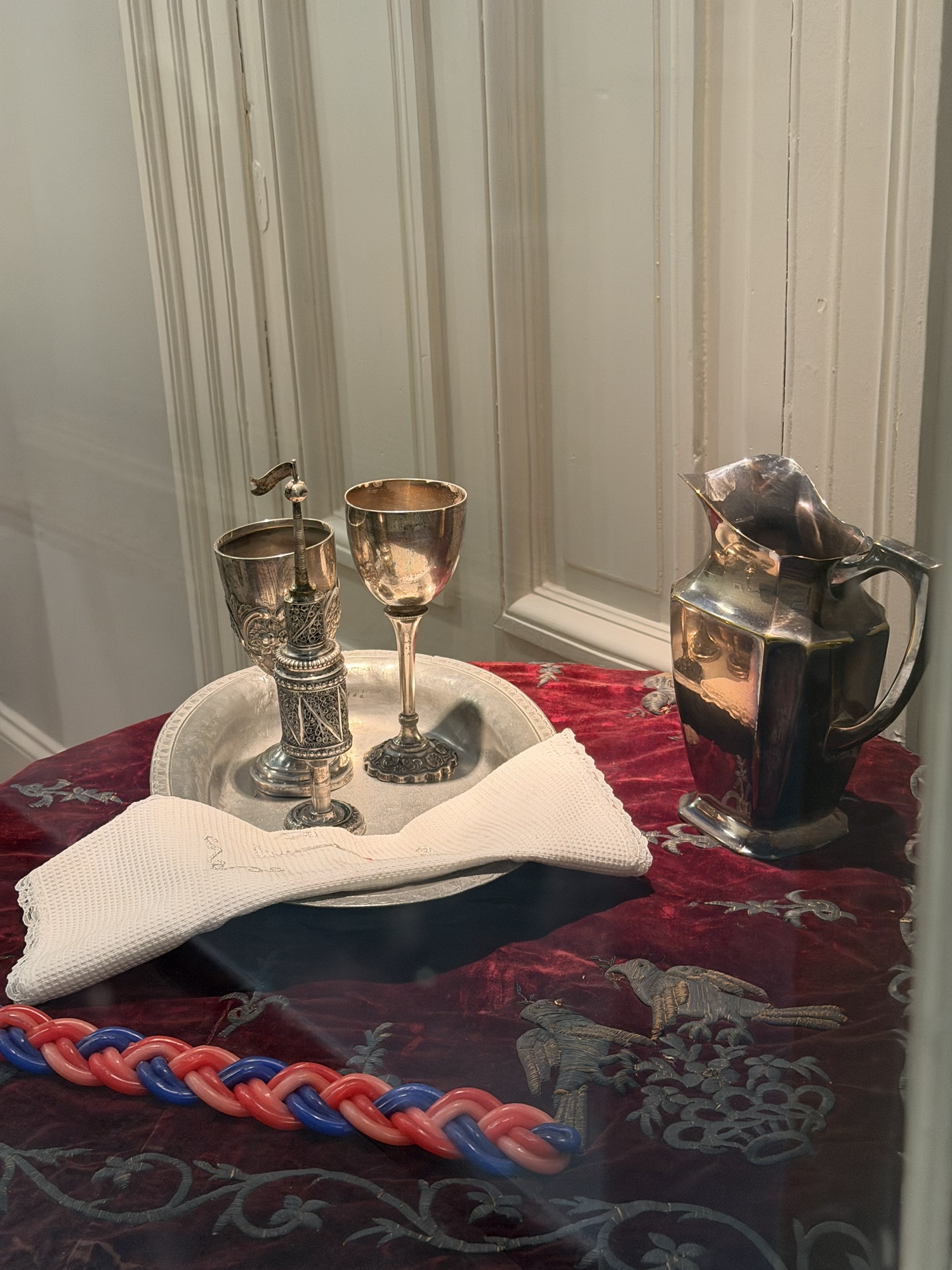
We also visited a lovely Jewish Museum that houses an amazing collection of Judaica, much of which was donated by families in the community, some of which dating back to the early colonization of Jews in Buenos Aires.
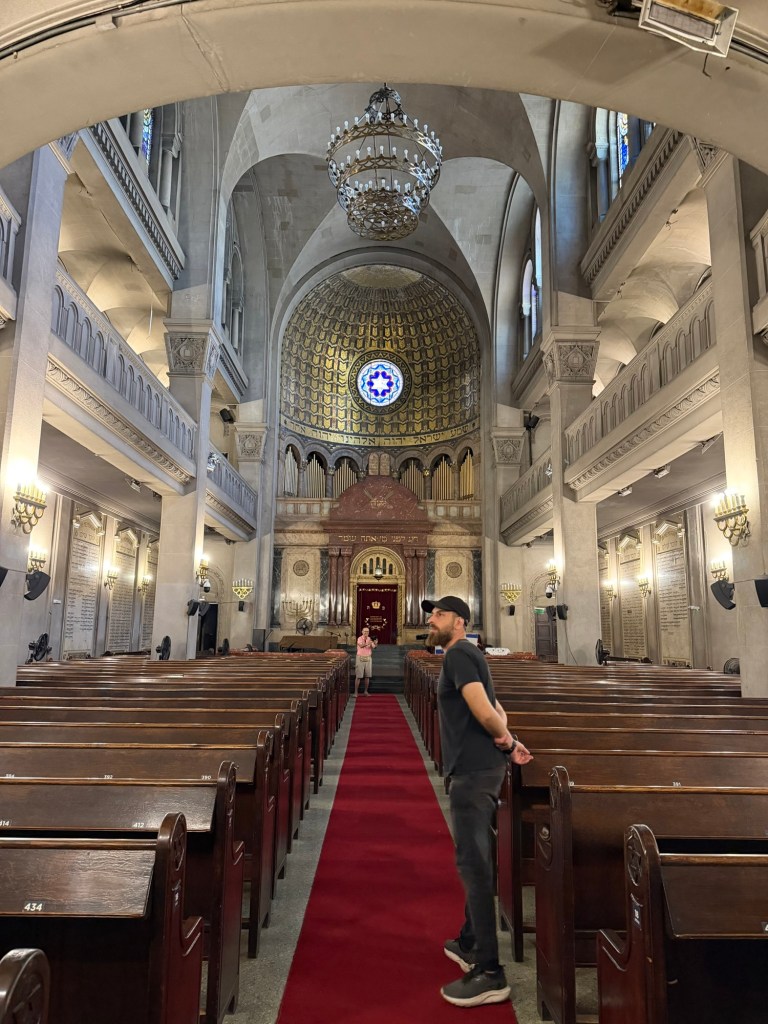
We also visited the original synagogue in the city, and it is still in use today. The Synagogue of the Israelite Argentine Congregation, also known as the Liberty Temple (Spanish: Templo Libertad). While it is now a Reform Jewish congregation, it is clear from the way it is built -with a gallery upstairs – that original founders relegated women upstairs. Established in the 1890s, the congregation is the oldest in Argentina.
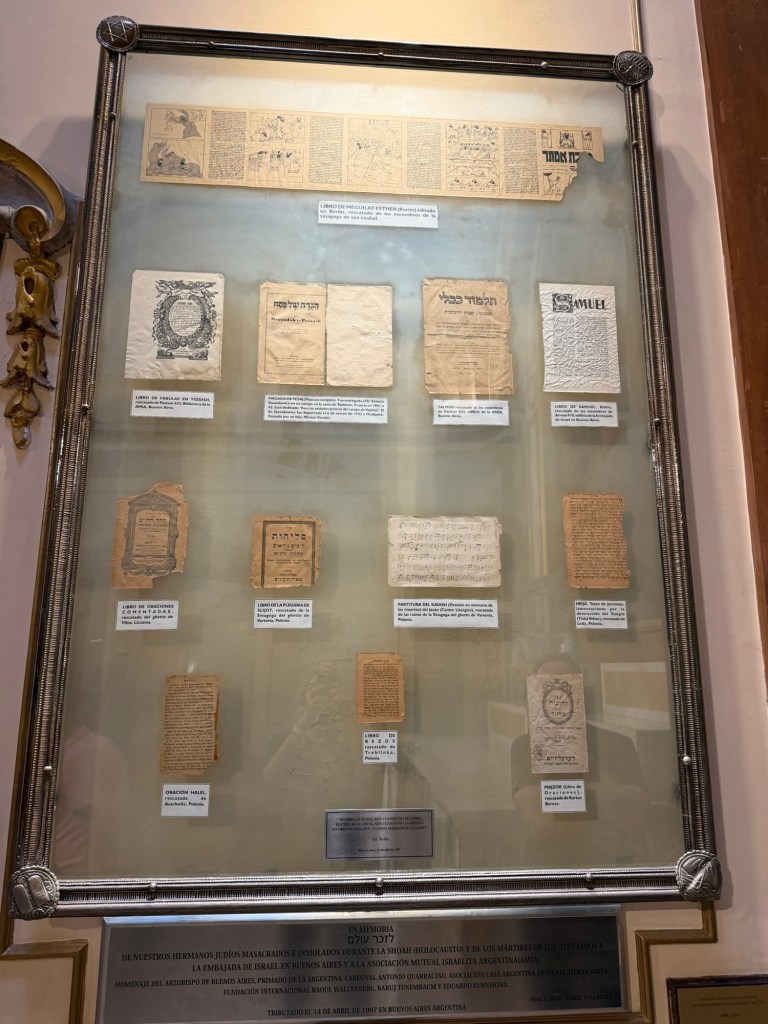
We also stopped at the National Cathedral. Why? Because in 1997, an Argentinian Cardinal established a memorial in the cathedral to the Jews lost during the Holocaust. The display includes writings from Jews who were in concentration camps that had been salvaged. We found this quite interesting as this same cardinal wanted to establish a ghetto to house gay people!
Our final tour stop was at the Plaza Embajada de Israel – a memorial to the victims of the bombing of the Israeli embassy in 1992. The embassy, a Catholic church, and a nearby school building were destroyed.
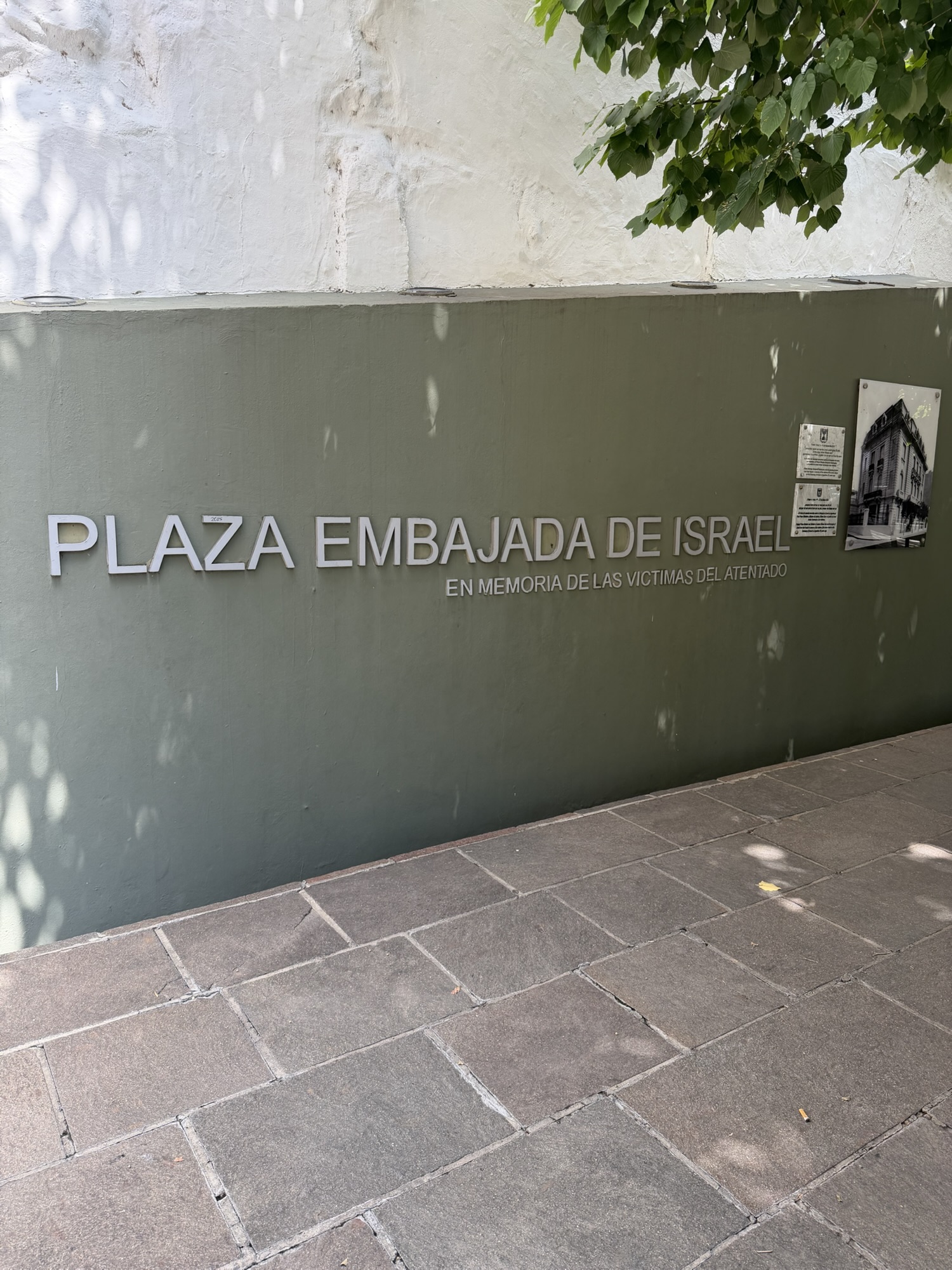
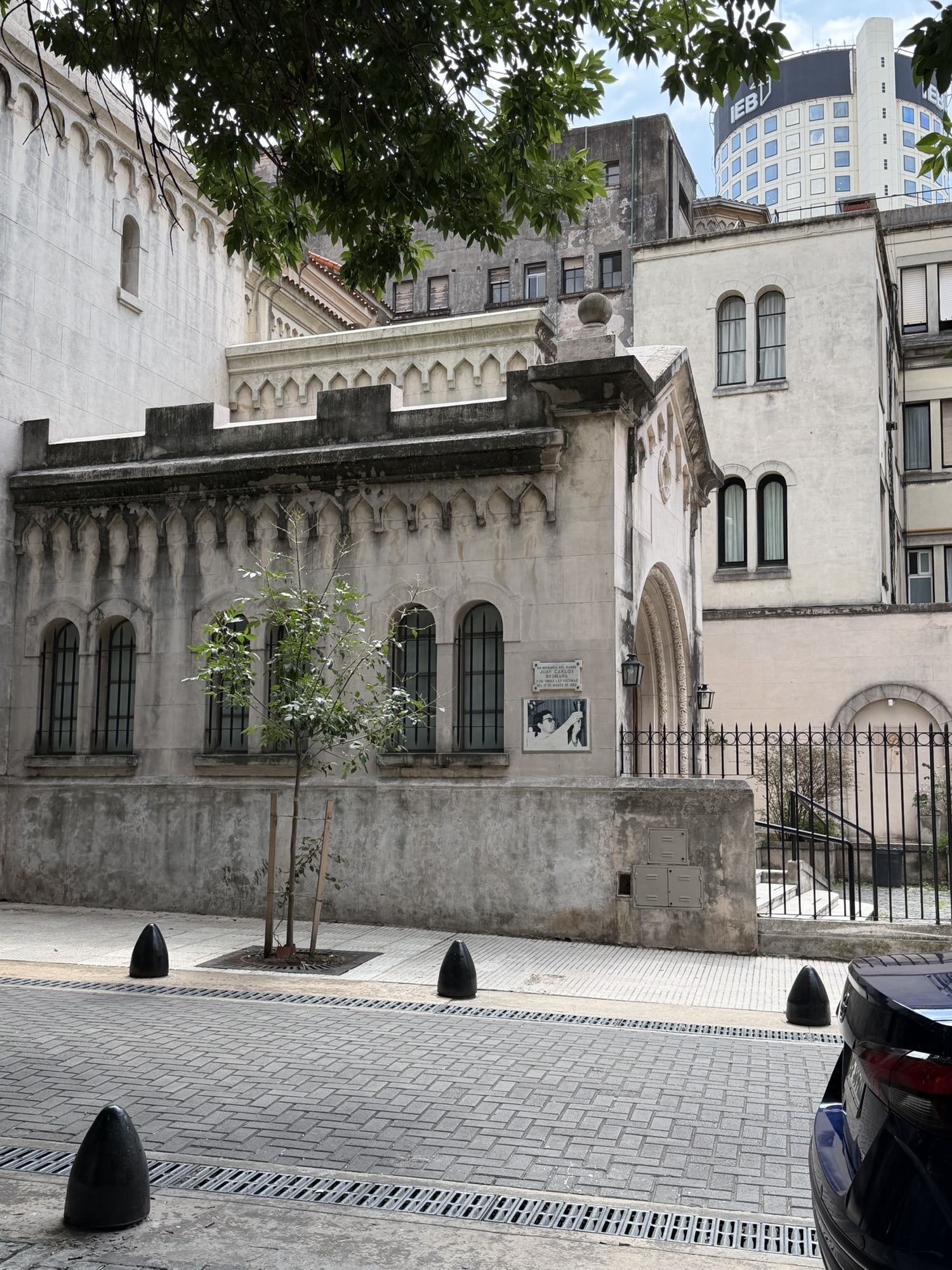
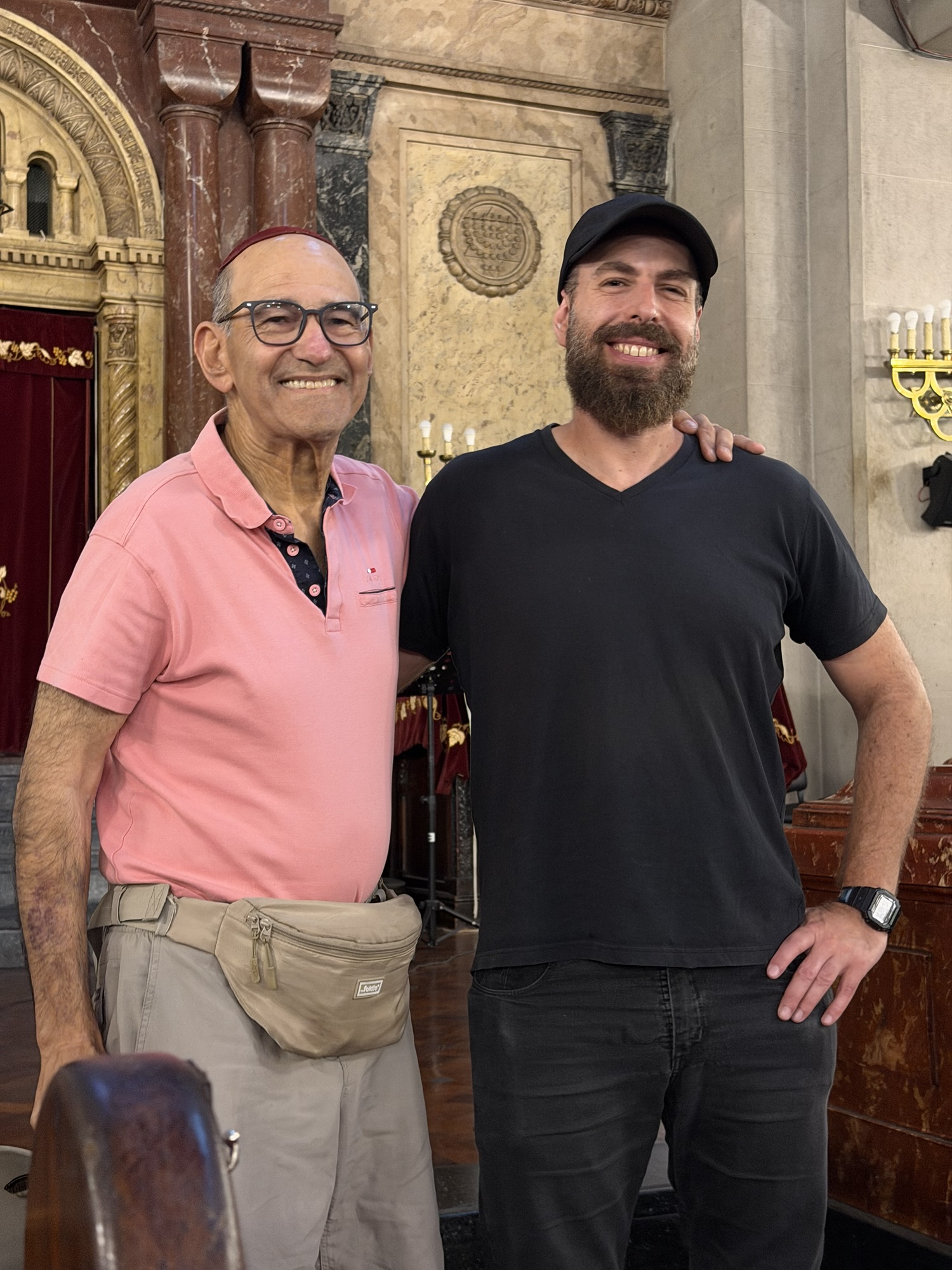
While some of the places we visited had very sad stories attached to them, our guide, Ariel (and his driver/father, Reuben) were wonderful to give a real flavor of Jewish life in Buenos Aires.
Next stop: The Silver Sea Whisper!
 Living La Vida Loca
Leave a comment