
Andrew and I have had the pleasure of exploring many places in Mexico and always enjoy the people, the varied landscape, the diverse cuisine, and the rich history of this neighboring country. We are always shocked at the reaction of so many intelligent people who are afraid to travel in Mexico because the media focuses on the worst of the worst problems there. True, there is corruption in government (you think the US is immune to this?), there are gangs and cartels that are more active in some regions (oh, and some US cities don’t have organized crime issues?), and illegal immigration from Mexico is an issue (Did you forget that a very high number of illegal crossings are not Mexicans but rather people passing through Mexico to get to the US???). I’m sorry, but every country we have visited – with few exceptions – has its fair share of safety and/or political issues to be aware of when traveling…but if you are informed and plan wisely it can easily be a rich and rewarding experience – even in Mexico. In fact, so many Americans we encounter have gone to Mexico but only to the Baja resorts (Puerta Vallarta, Cabo San Lucas, etc). Granted, the resorts and the beaches can be very lovely, but it’s a lot harder to experience true Mexican culture while lying on the beach. No judgement here – I’m all for a chill week on the beach. But if you are looking for a more authentic country experience it’s important to go inland.
First Stop: Puebla City
With the advice of a dear friend from Mexico, we decided to explore two different places in the interior of Mexico – Puebla and San Miguel de Allende (SMA). They turned out to both be very interesting and very different from each other in term of history, everyday culture, and cuisine. Our experiences were also different in each because in Puebla we’d opted to stay in a small apartment using Home Exchange “points” that regularly was used for Airbnb guests, and in SMA we stayed in a beautiful home owned by American expats who were vacationing on the Mexican coast. There were good reasons for these choices which will become clear – and both worked out very well.
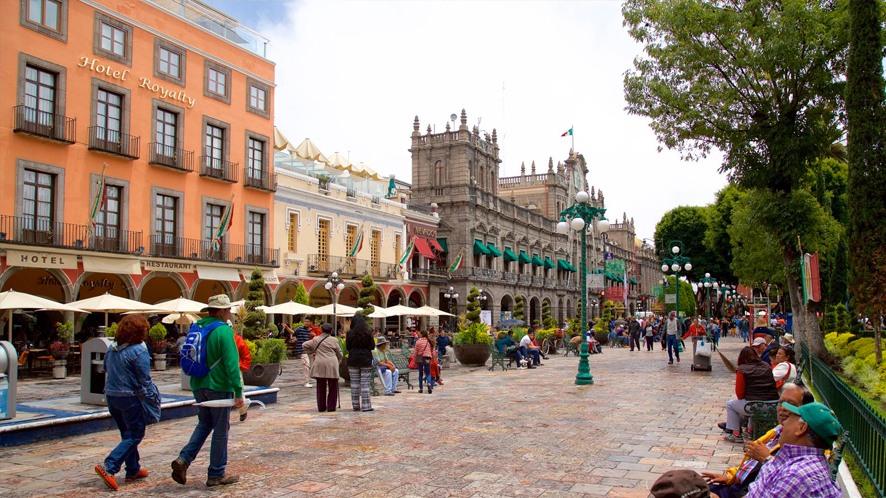
Puebla de Zaragoza, formerly Puebla de Los Ángeles during colonial times, or known simply as Puebla, is the seat of Puebla Municipality. It is the capital and largest city of the state of Puebla, and the fourth largest city in Mexico, after Mexico City, Monterrey, and Guadalajara. It is located in the southern part of Central Mexico on the main route between Mexico City and Mexico’s main Atlantic port, Veracruz.
We decided to stay in a small apartment right in the heart of the historic section of Puebla. While the apartment was nothing special – it had THE smallest bathroom we’d ever seen – it was clean and well-located. We walked out the front door and were less than a five-minute walk to the Zocalo, or central plaza of the town. We found here as we did in Oaxaca that the zocalo is the main gathering place for families to sit, eat and play, where the main church is, and where people-watching is at its best.
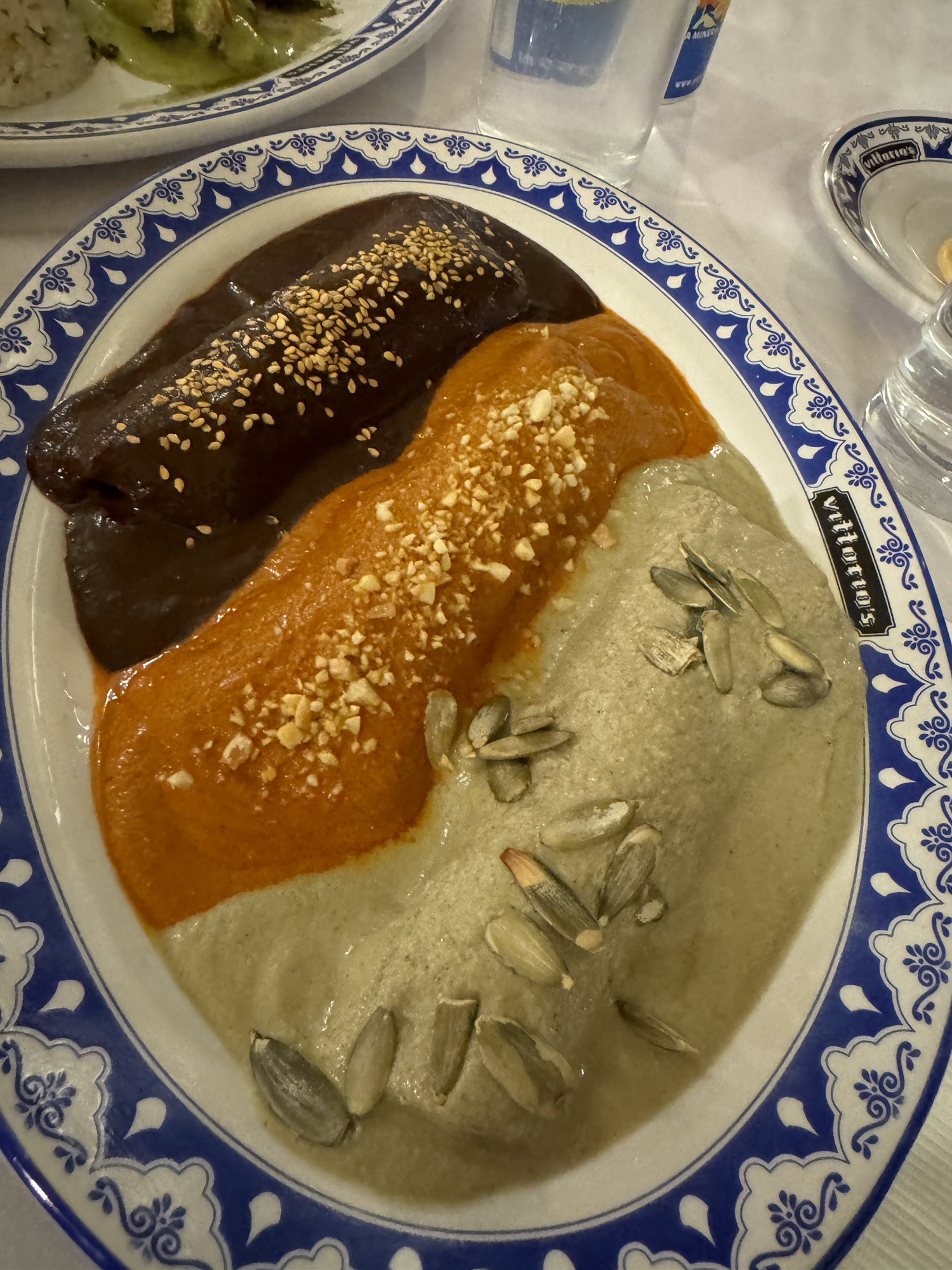
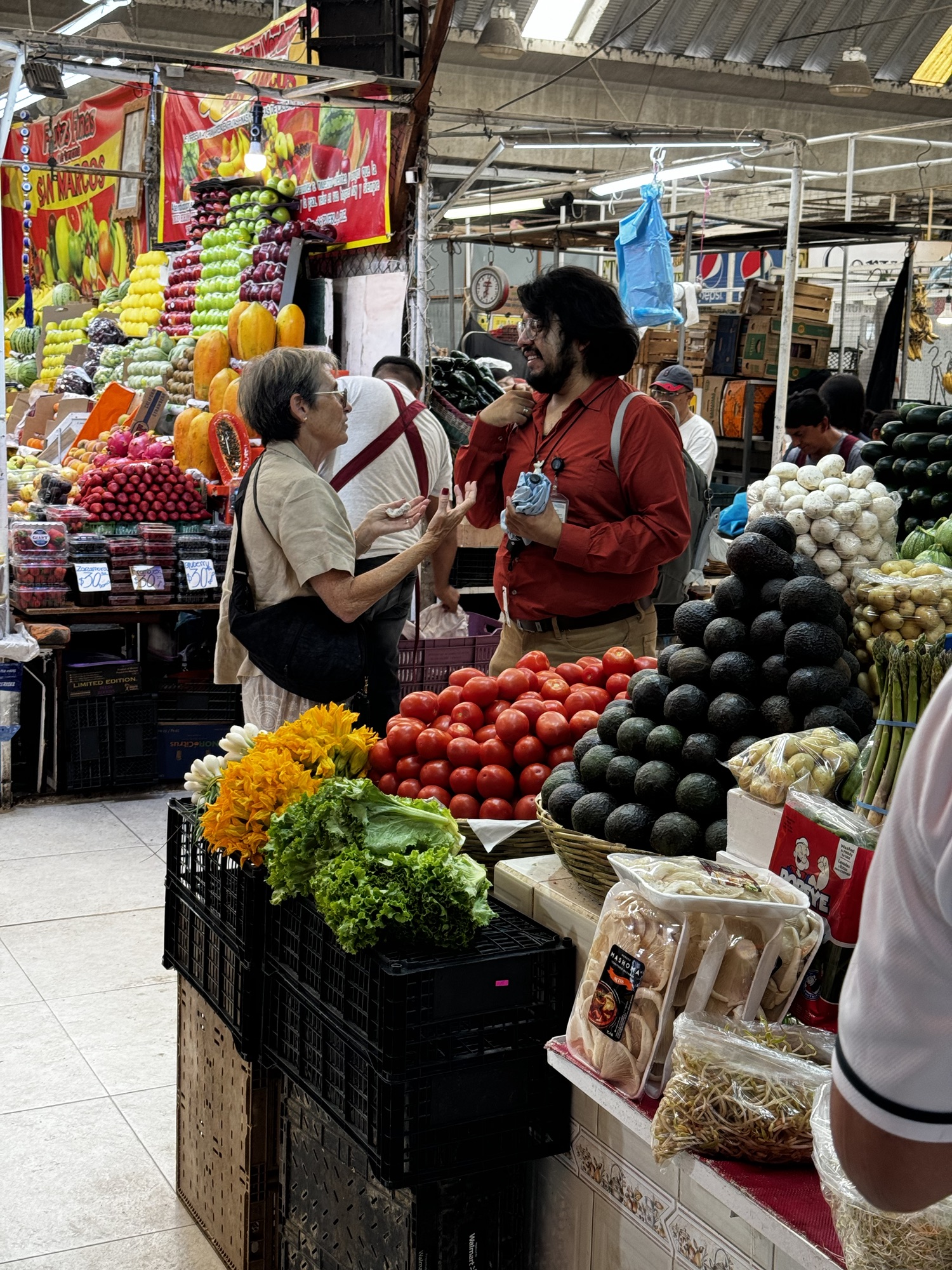
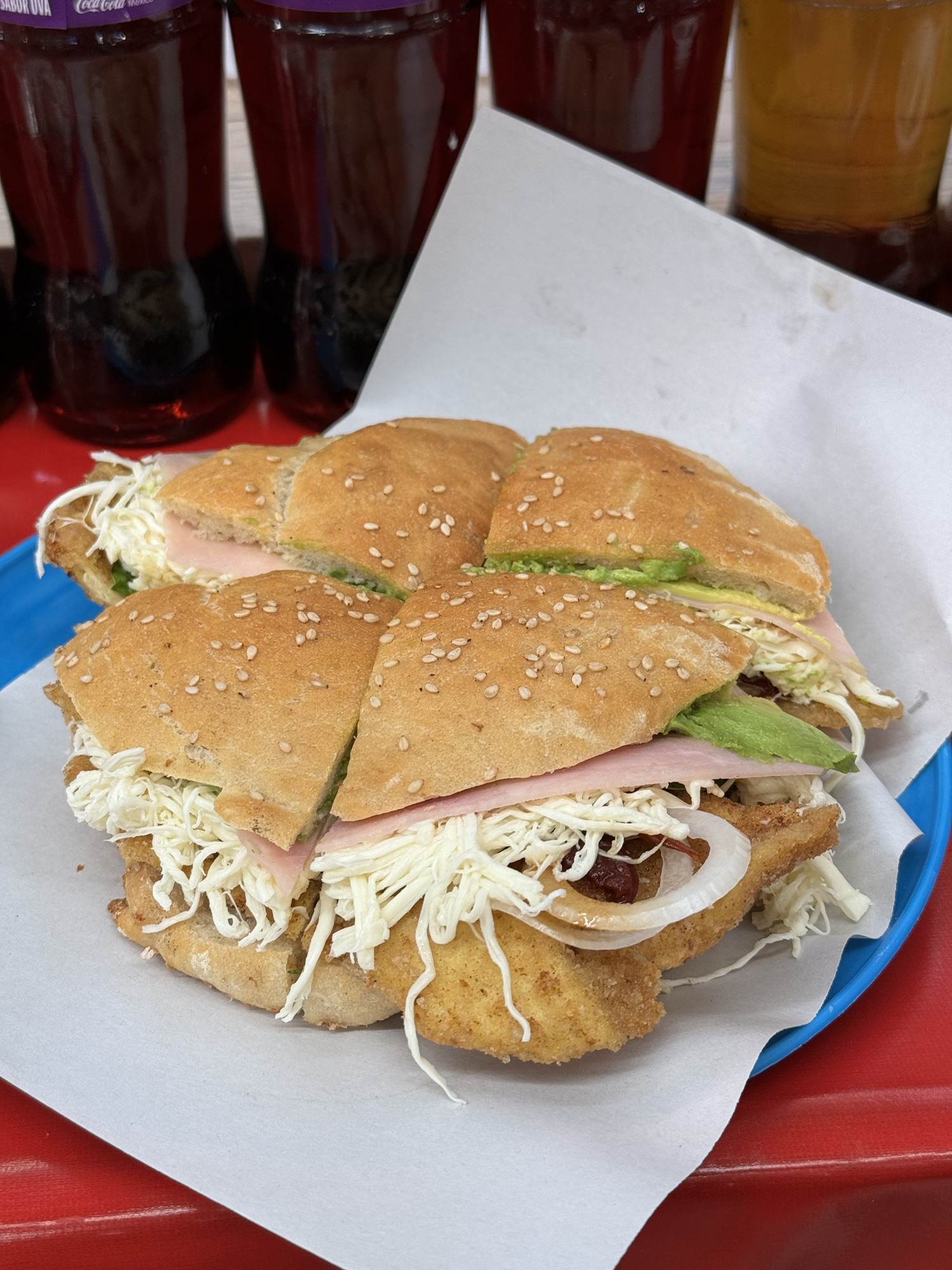
In Oaxaca, in Mexico City, and in Tokyo as well, we’d really enjoyed doing culinary tours that gave us a taste of local “street” food and everyday life – so we decided to do this again in Puebla. Our guide, Ronnie, was terrific! We wandered through the main public market to check out the incredible variety of fruits, vegetables, and massive types of meat and fish. Along the way we sampled the local enchiladas with various mole sauces, and cemitas – a Puebloan-style sandwich with fried meat, avocado, queso, chipotles, and papalo. Papalo is an herb that reminds me of a mixture of nasturtium flowers, lime, and cilantro. Soooo yummm! We also got to sample other local delicacies – sweets included – as Ronnie took us to his favorite coffee shop, breakfast stop and candy store. We have found that these half-day “introductions” to the food side of a city always leads to insights about daily life and culture that we might not otherwise get because the guides are always locals and can add their everyday perspective and experiences.
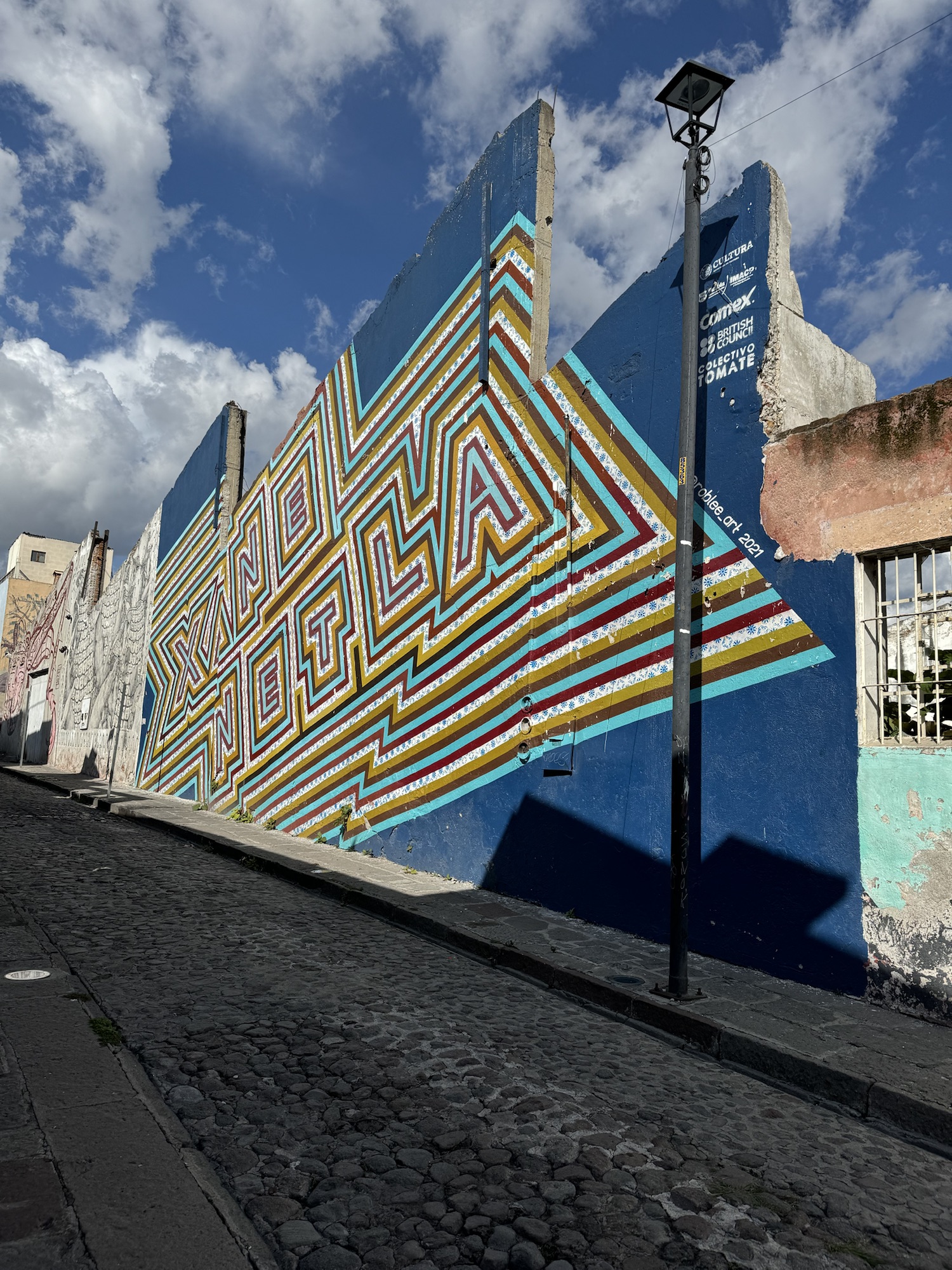
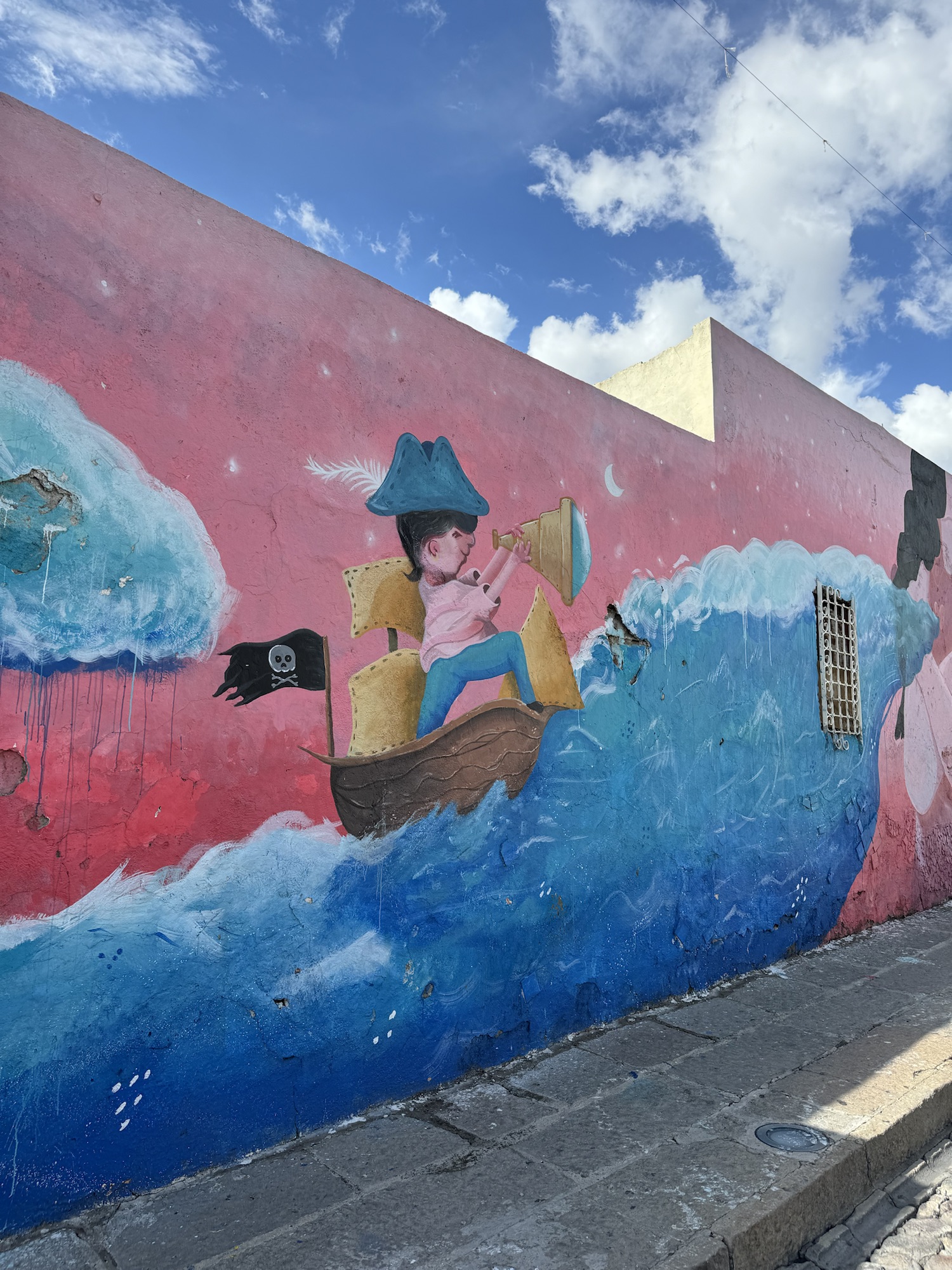
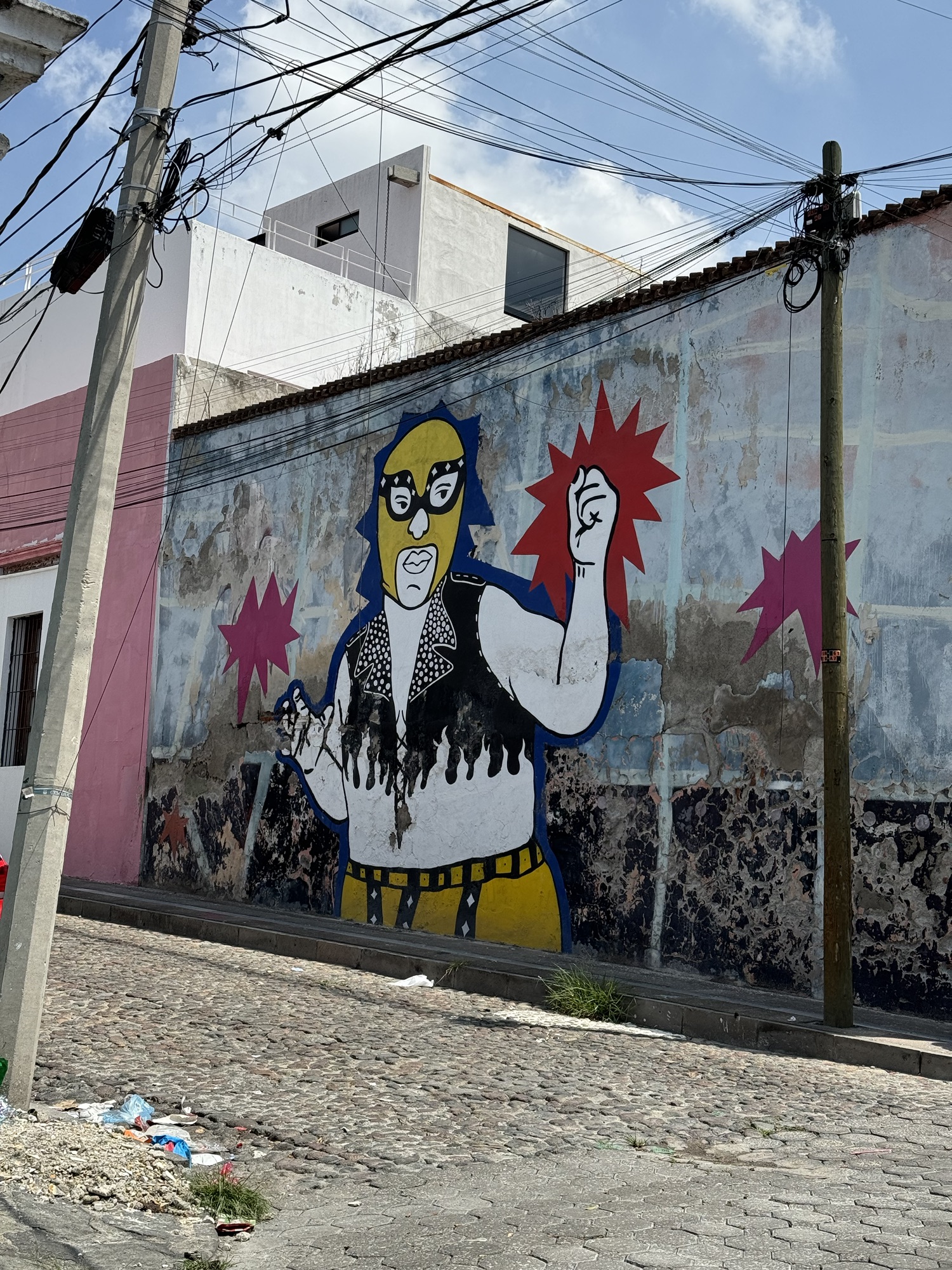
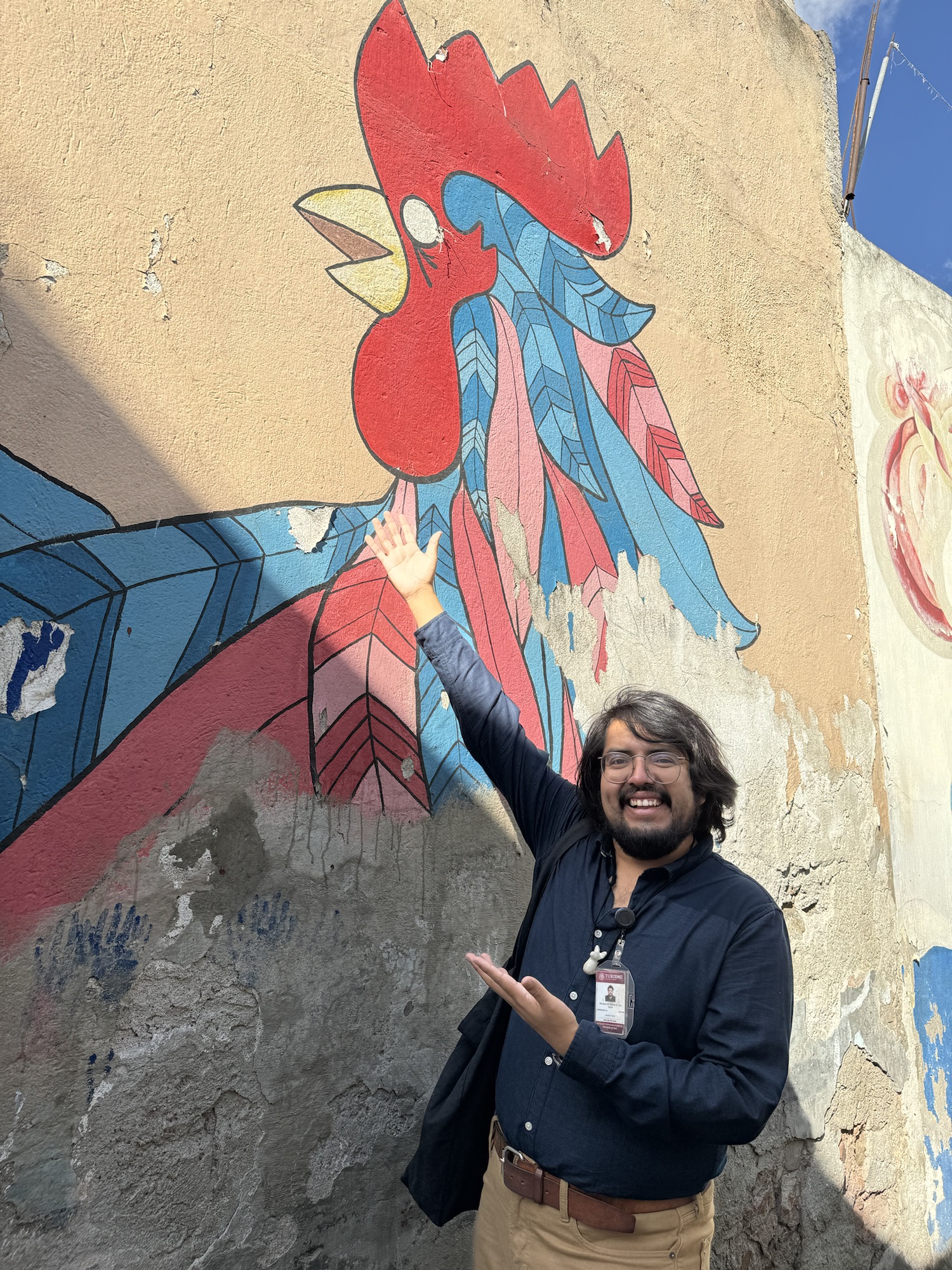
We loved Ronnie so much that we hired him to take us on another day trip to see some additional Puebla sites on a different day. He took us to visit a neighborhood called Zanenetla – nicknamed the “mural town” where the vast majority of building walls are covered with colorful murals that depict both life there (past and present) as well as some spiritual symbols that Ronnie explained to us. This neighborhood had been overrun with gangs, drugs and violence, and a joint effort between inhabitants, police and social service groups cleaned the area up. In 2010, an artistic project created by the artistic and social organization Colectivo Tomate was inaugurated. The project consists of the murals that tell stories of the families and also murals that narrate the identity of the neighborhood. The project sought to bring a new perception on the part of citizens to the neighborhood and sought to create identity with its inhabitants. There are 75 murals in Xanenetla. The one below that Ronnie is pointing to is one he participated in creating years ago, and if you look closely the blue handprints of one of the children he worked with that lived in the building still remain.


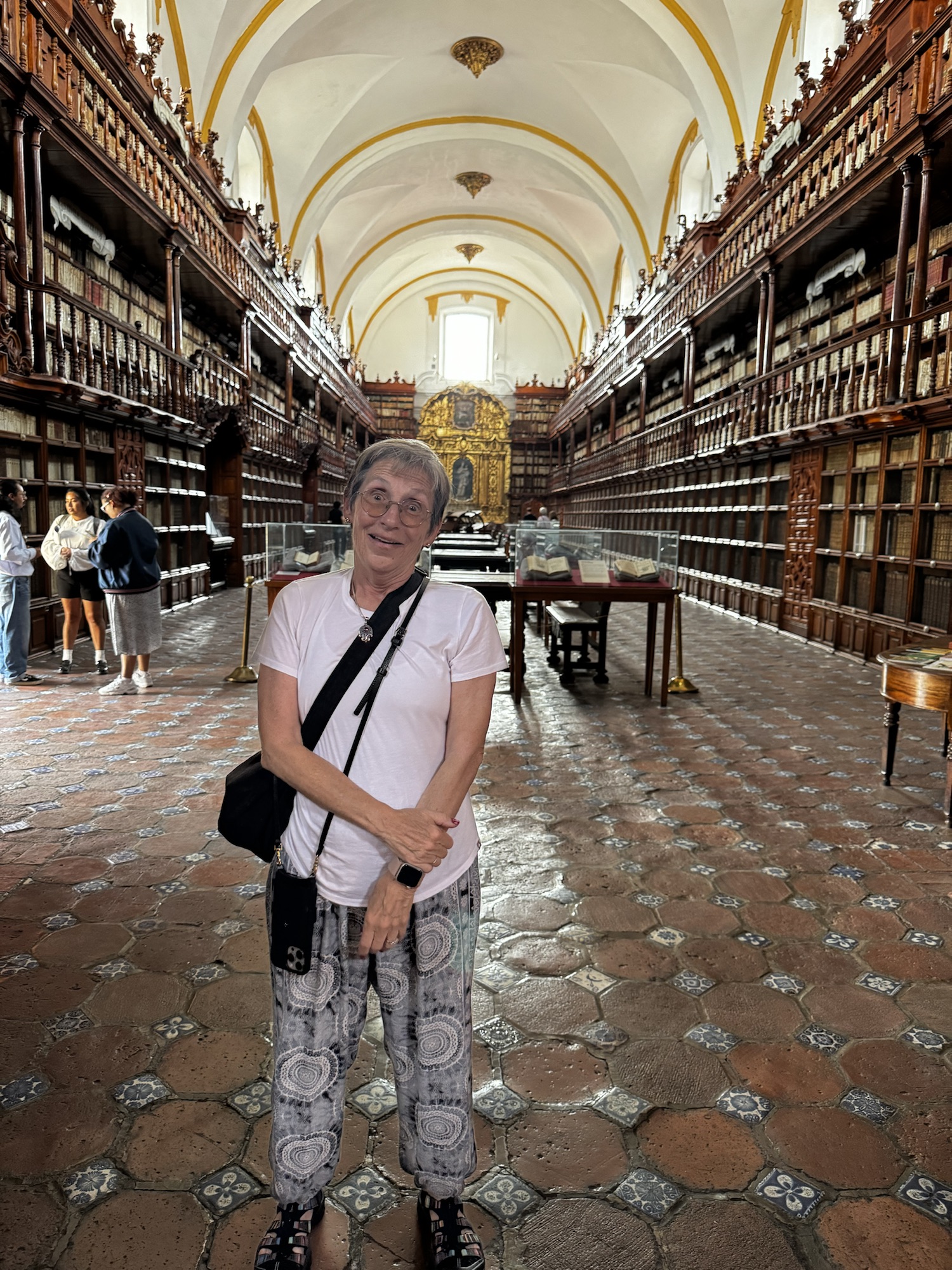
Another stop we made was to one of the most popular tourist attractions in Puebla -the Biblioteca Palafoxiana, recognized by UNESCO as the oldest library in the Americas. On September 5, 1646, Bishop Palafox y Mendoza donated his personal library, composed of five thousand volumes, to the seminarians of the Tridentine colleges, ordering that it could be consulted by anyone who wanted to read or study, which is why it is considered the first public library on the American continent.
As we wandered the various areas of central Puebla, we literally stumbled upon a concert in the patio of a public venue. The music was a meld of traditional music of the area and what almost felt like opera with the addition of an obviously well-known singer who did a couple of songs with the group as back up. It was fun to also the older people as well as young people gathered there in what seemed an impromptu performance.

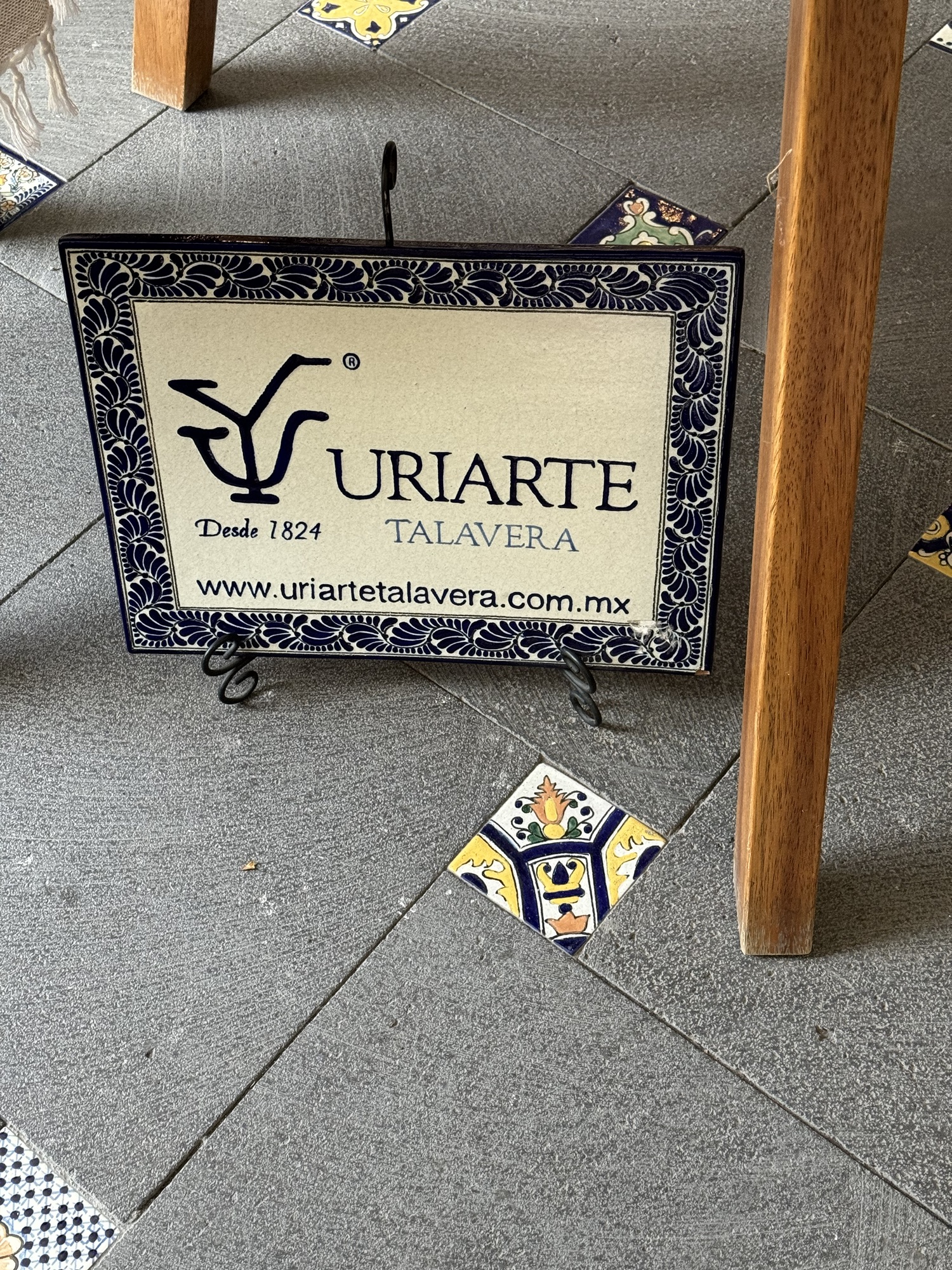
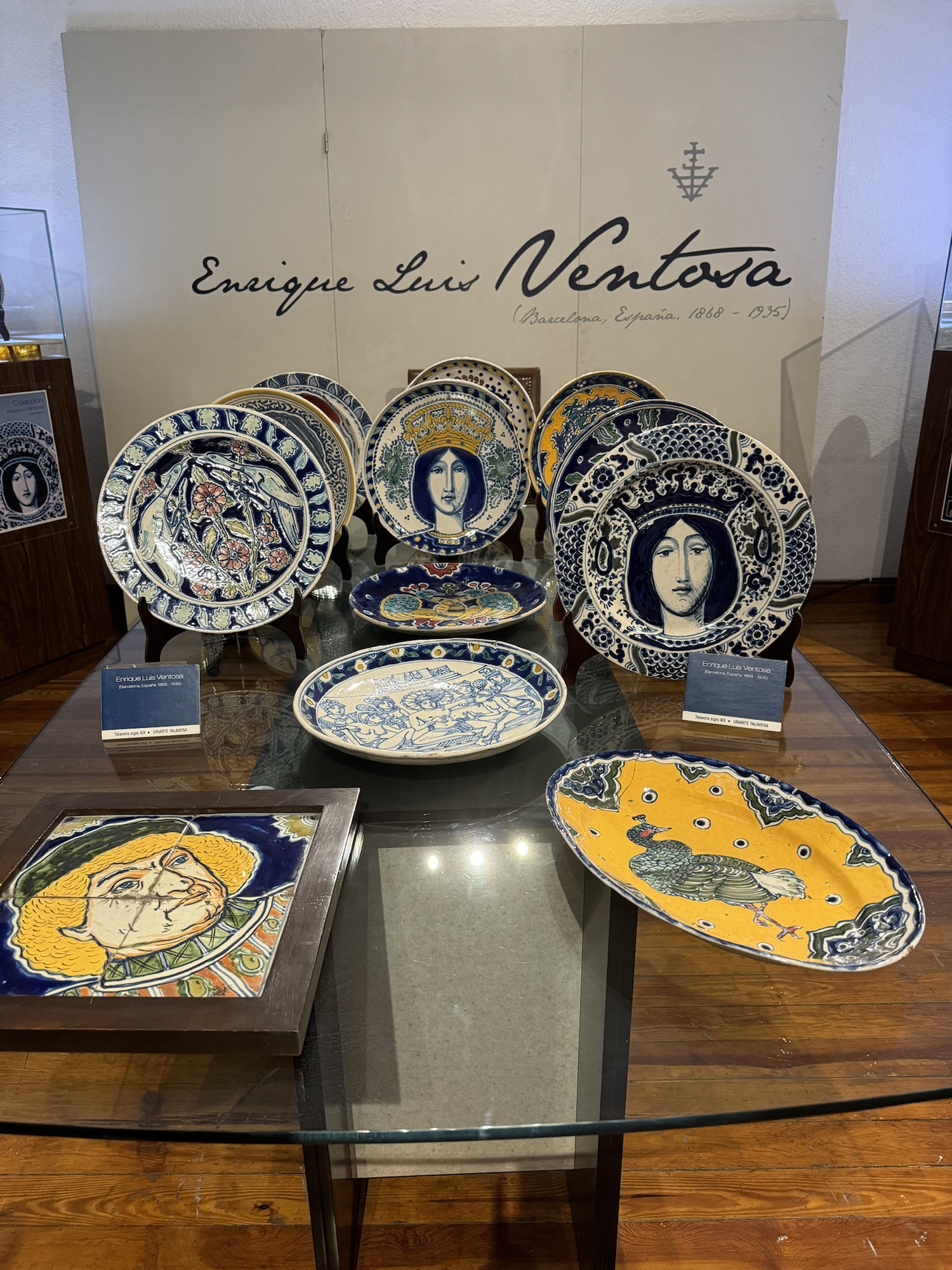
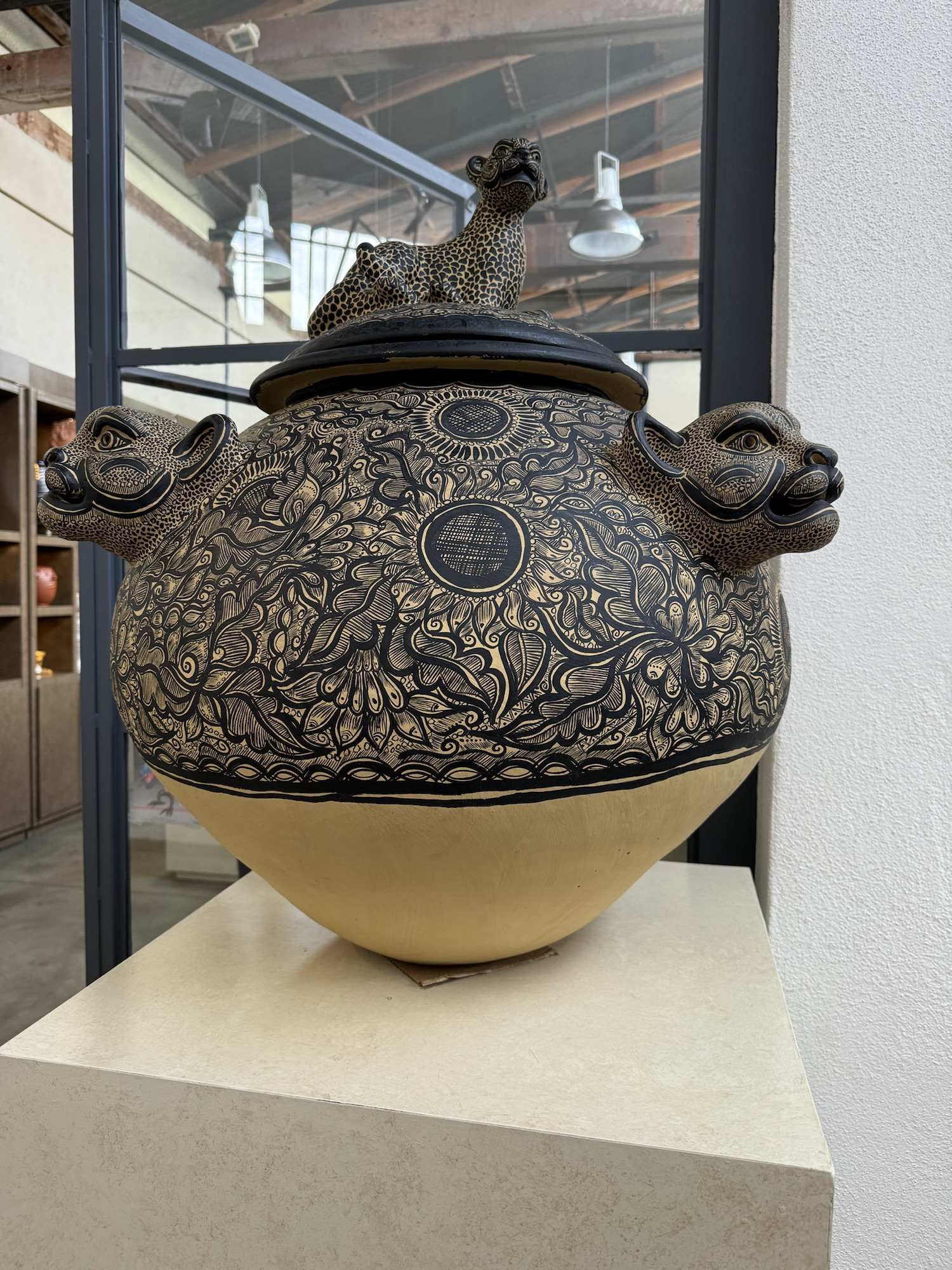
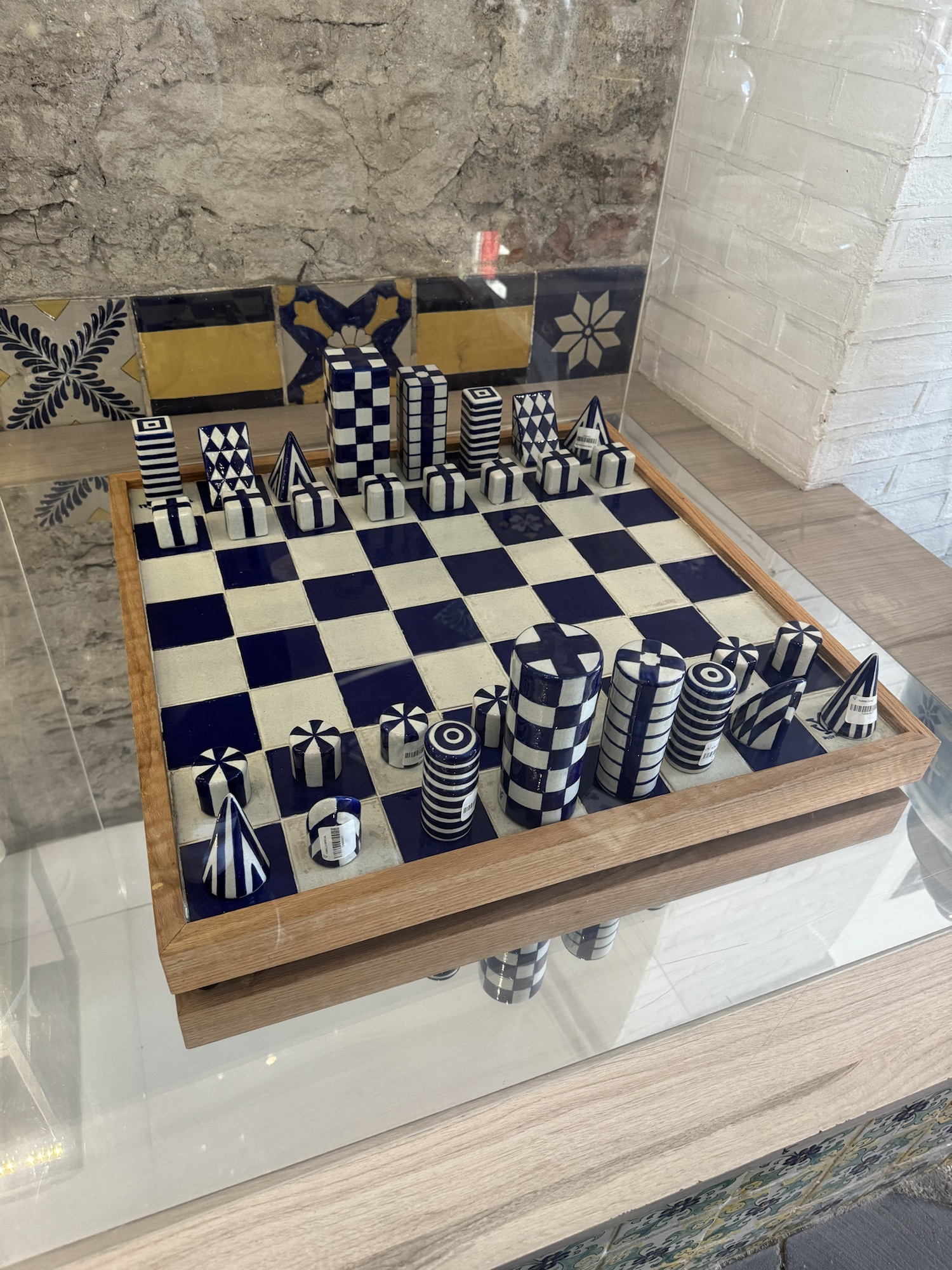
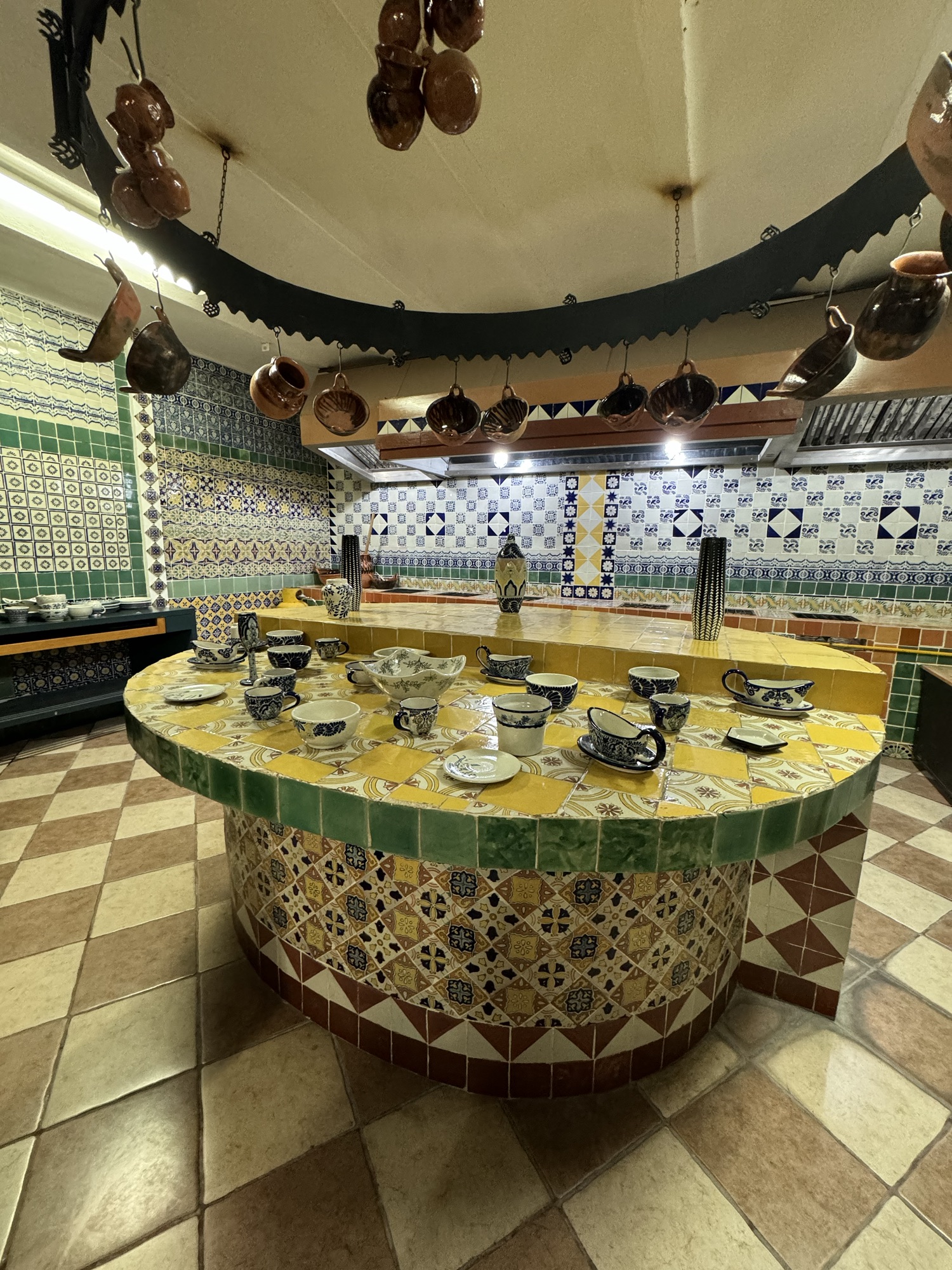
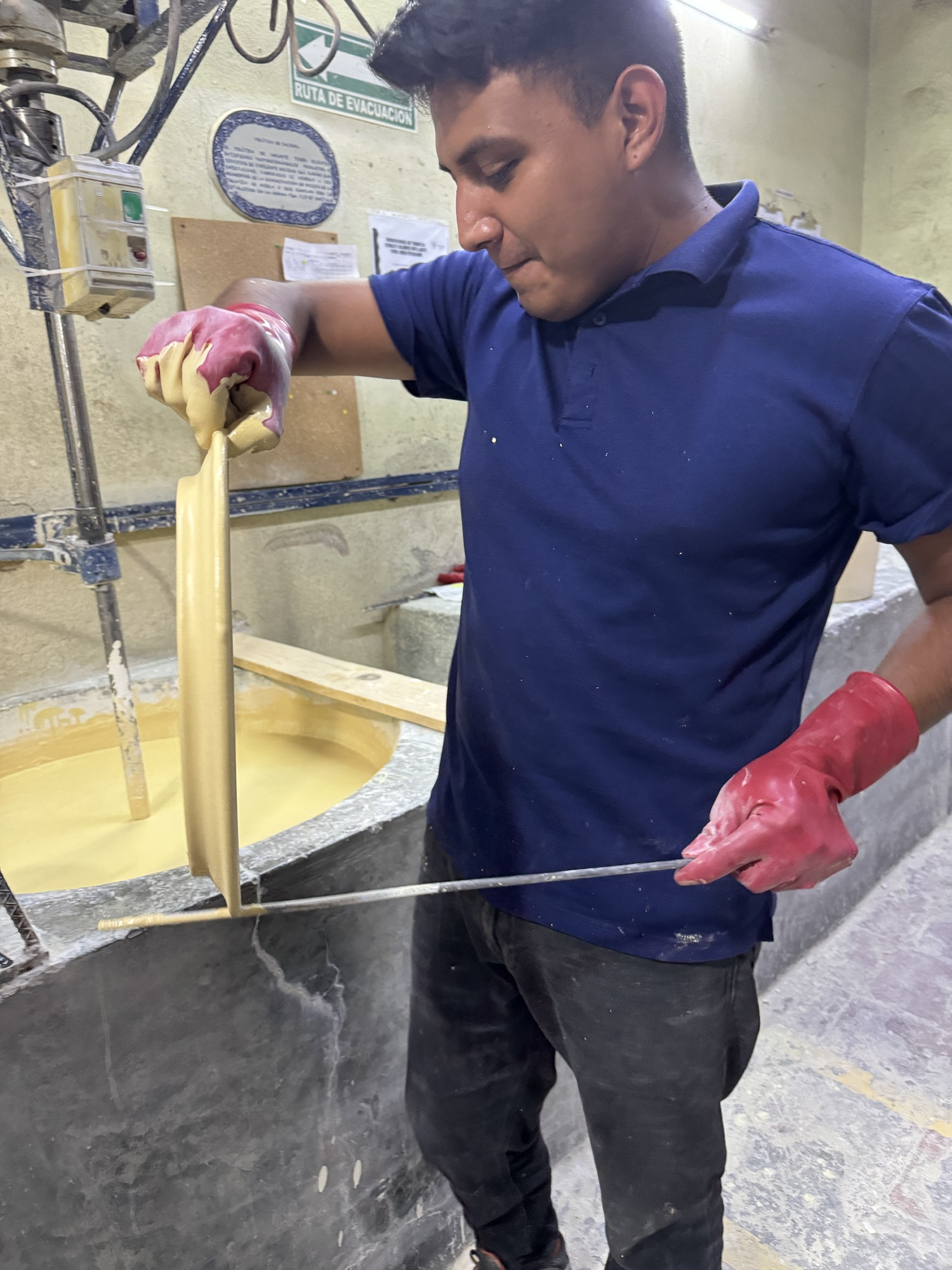
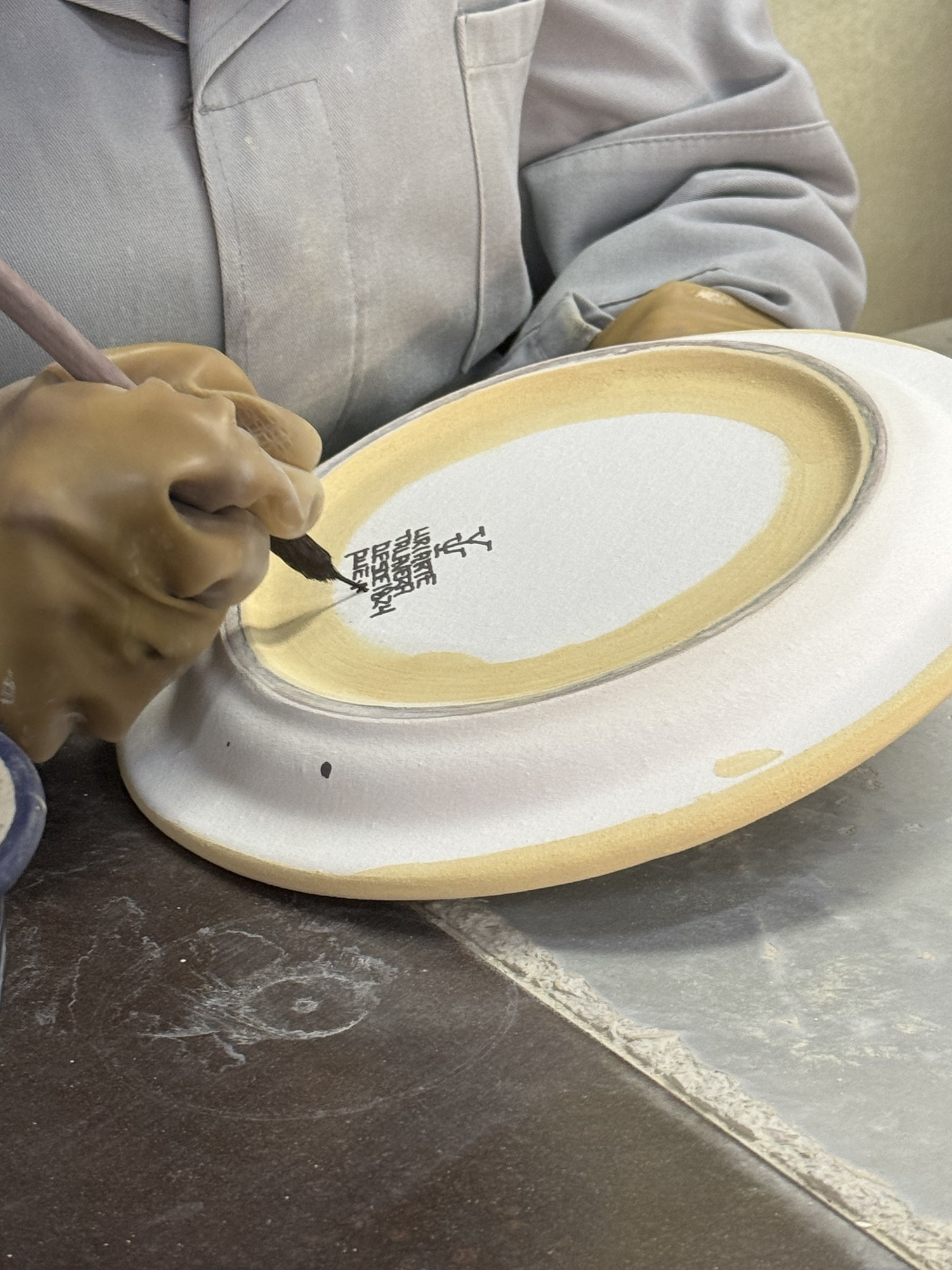
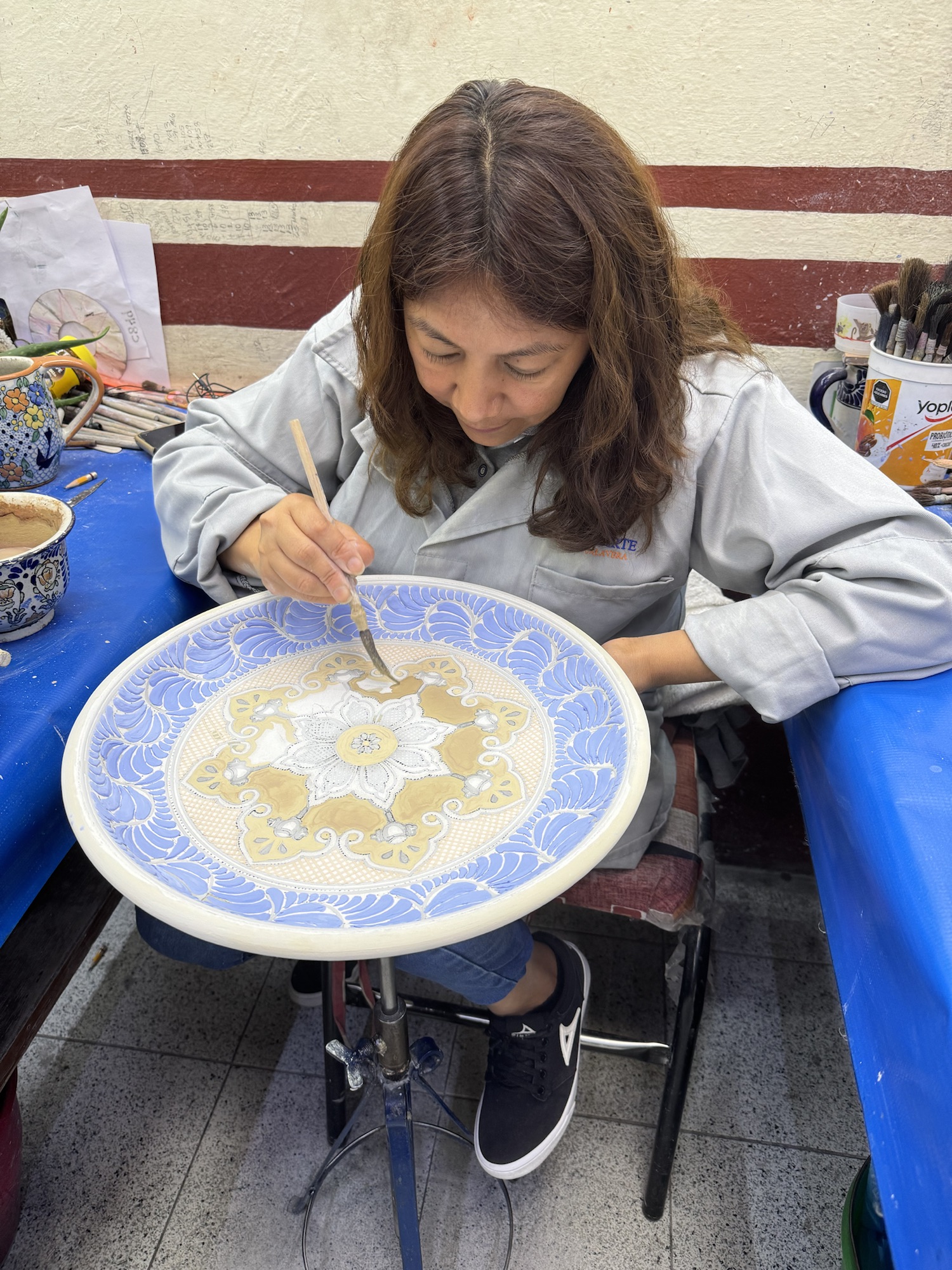
A real highlight of our day was a tour of the Talavera pottery factory and showroom. Artisanal Talavera of Puebla and Tlaxcala is a Mexican pottery tradition with heritage from the Talavera de la Reina pottery of Spain. The Mexican pottery is a type of tin-glazed earthenware, with a white base glaze. It is now only made in the town of San Pablo del Monte in the state of Tlaxcala and the cities of Puebla, Atlixco, Cholula, and Tecali in the state of Puebla. Pottery is made in these locations because of the quality of the natural clay found there and the tradition of production which goes back to the 16th century. The decorating of this pottery is by hand – from stenciling the designs, to painting the intricate patterns, to signing every piece.


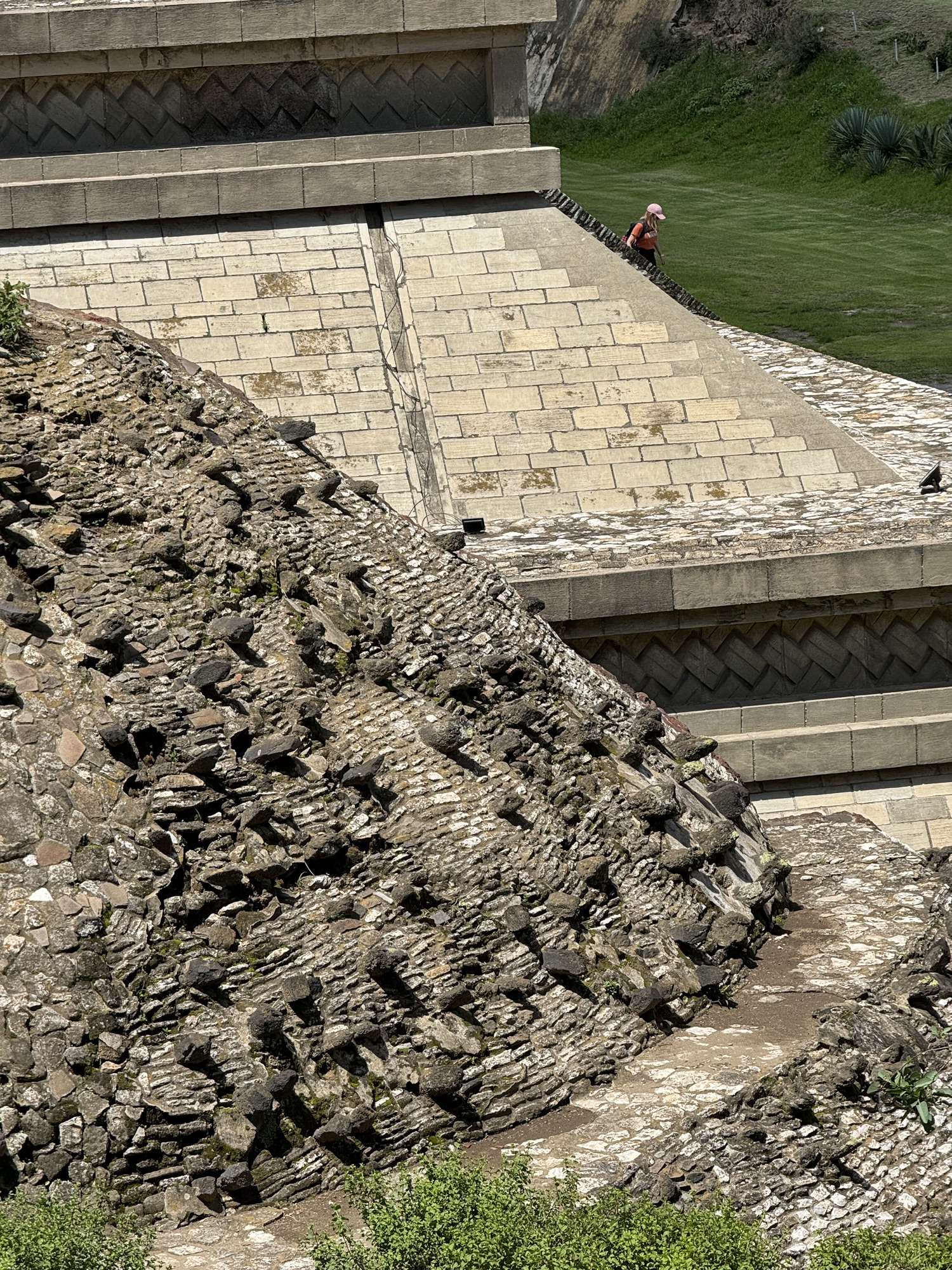
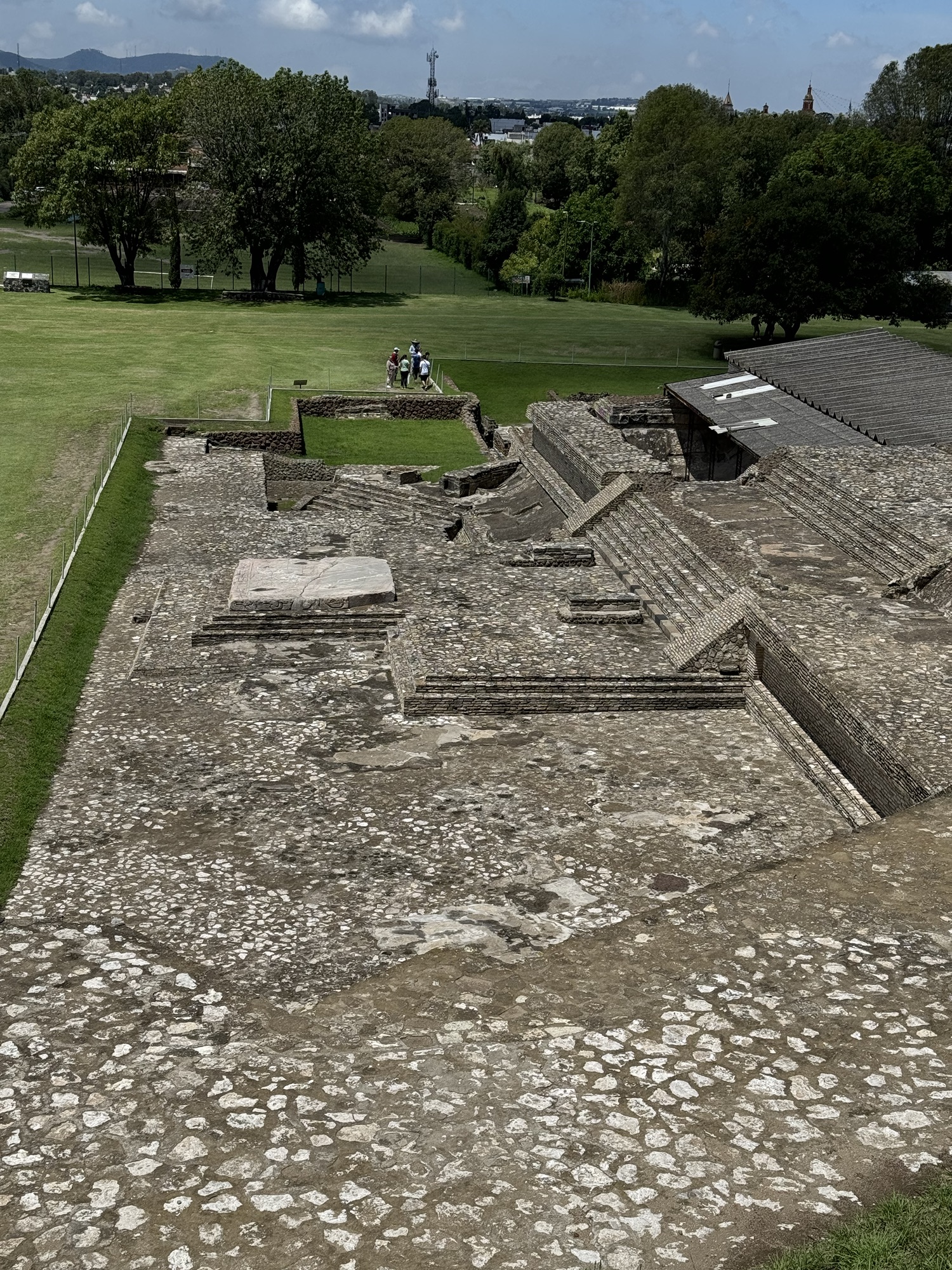
One other day we took a private tour with a different guide to Cholula and to Tonantzintla – two historically interesting places in the state of Puebla. Cholula is a city and district located in the metropolitan area of Puebla. It is best known for its Great Pyramid, with the Iglesia de Nuestra Señora de los Remedios sanctuary on top, as well as its numerous churches. The Great Pyramid is the largest archaeological site of a pyramid (temple) in the world, as well as the largest pyramid by volume known to exist in the world today.
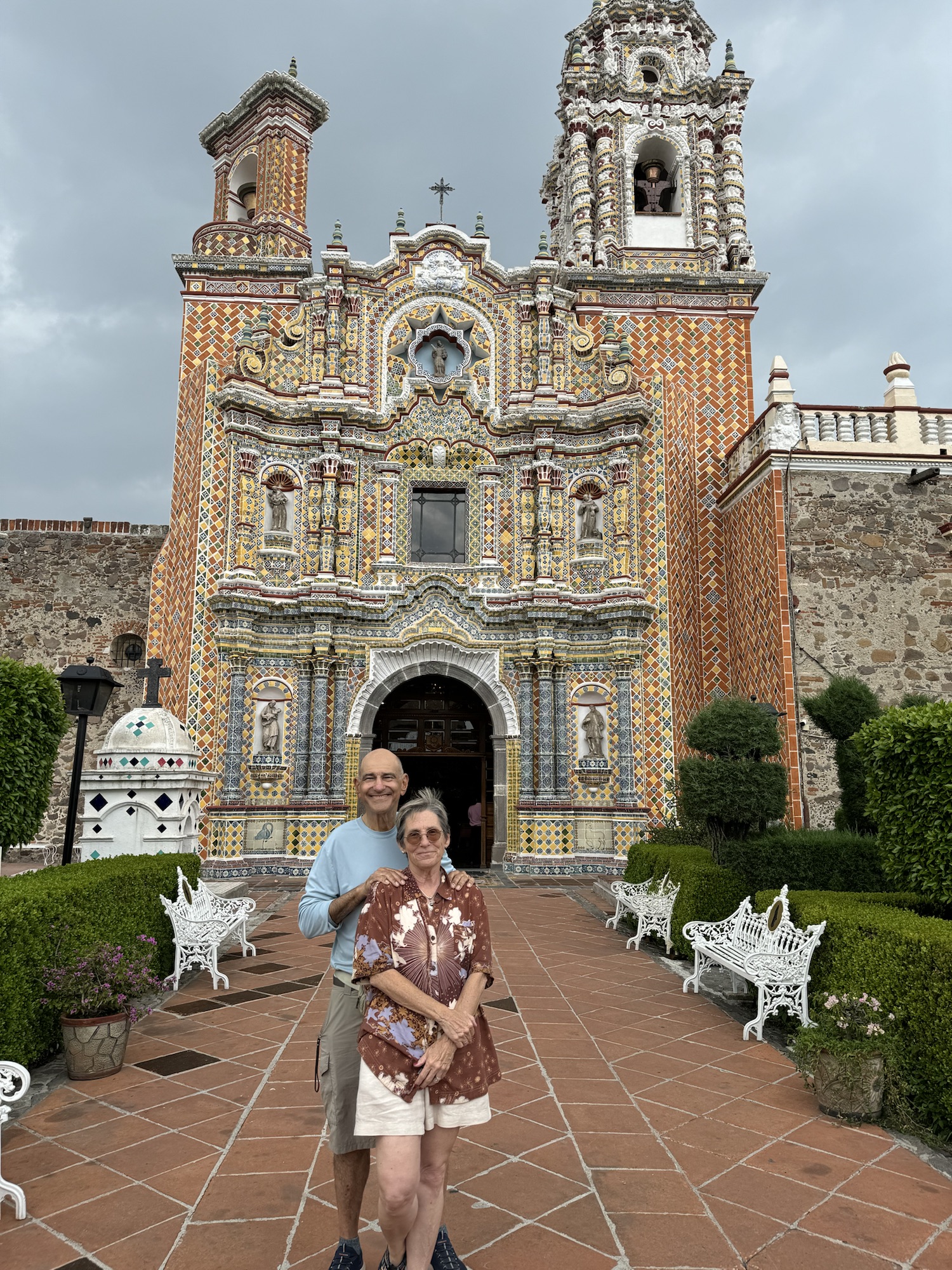
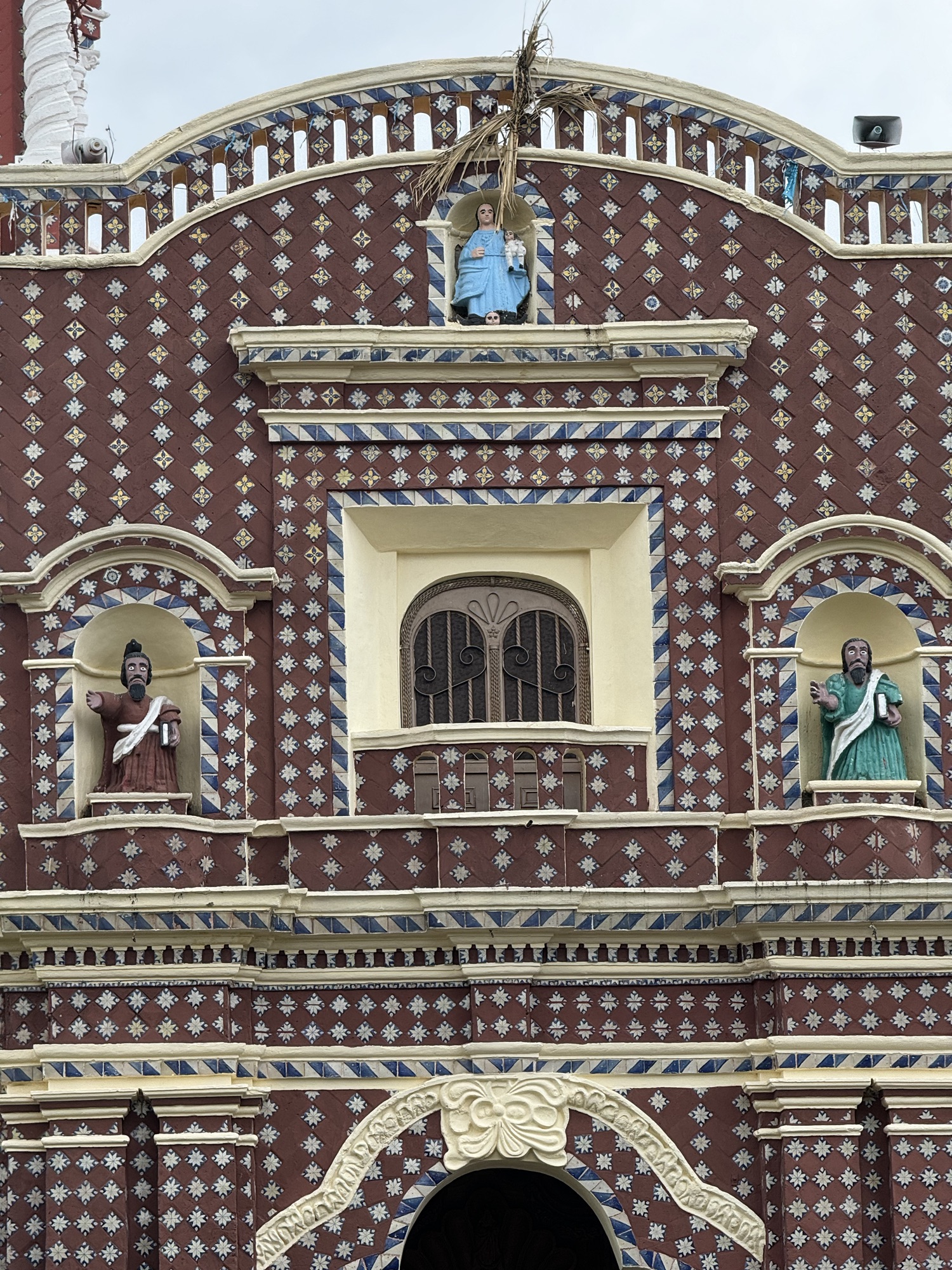
We went on to visit Tonantzintla, a small, historic town. One of the greatest attractions there is the Church of the Immaculate Conception of the Virgin Mary, considered the maximum expression of indigenous baroque. Its name in Nahuatl means “place of our little mother”, because in pre-Hispanic culture, Tonantzin is one of the names given to the goddess of corn. In 1933 it was declared a historical monument and is currently considered the third most visited temple in Puebla. What set this church apart from others we’d seen was the less “polished” style of the figures decorating the church. Indeed, they looked as though the local artists and townspeople had worked together to create them versus some artists with specific religious art expertise. It gave the church a very approachable feel.

On to Beautiful San Miguel de Allende
Our next stop was to San Miguel de Allende (SMA), a place I’d heard about for many years and wanted to explore. We were fortunate to be able to stay in an incredible home – a villa, really – by using home exchange “points” while the owners (Americans who emigrated to SMA a number of years ago) were at the Mexican coast for their own adventure. The attraction of SMA has always been as a center for arts and fine culinary experiences. The city sits on very sloped terrain and most roads are made of cobblestone – we definitely got a lot of steps in and worked our legs climbing down to the center city zocalo and back up to the house! It was clear that the city had developed its own unique look and feel further as a magnet for tourists…there is a special terra cotta red cast to most of the houses and shops heading into the center, and the restaurants aside from a few local dives and coffee haunts touted rooftop bars and fancy cocktails.
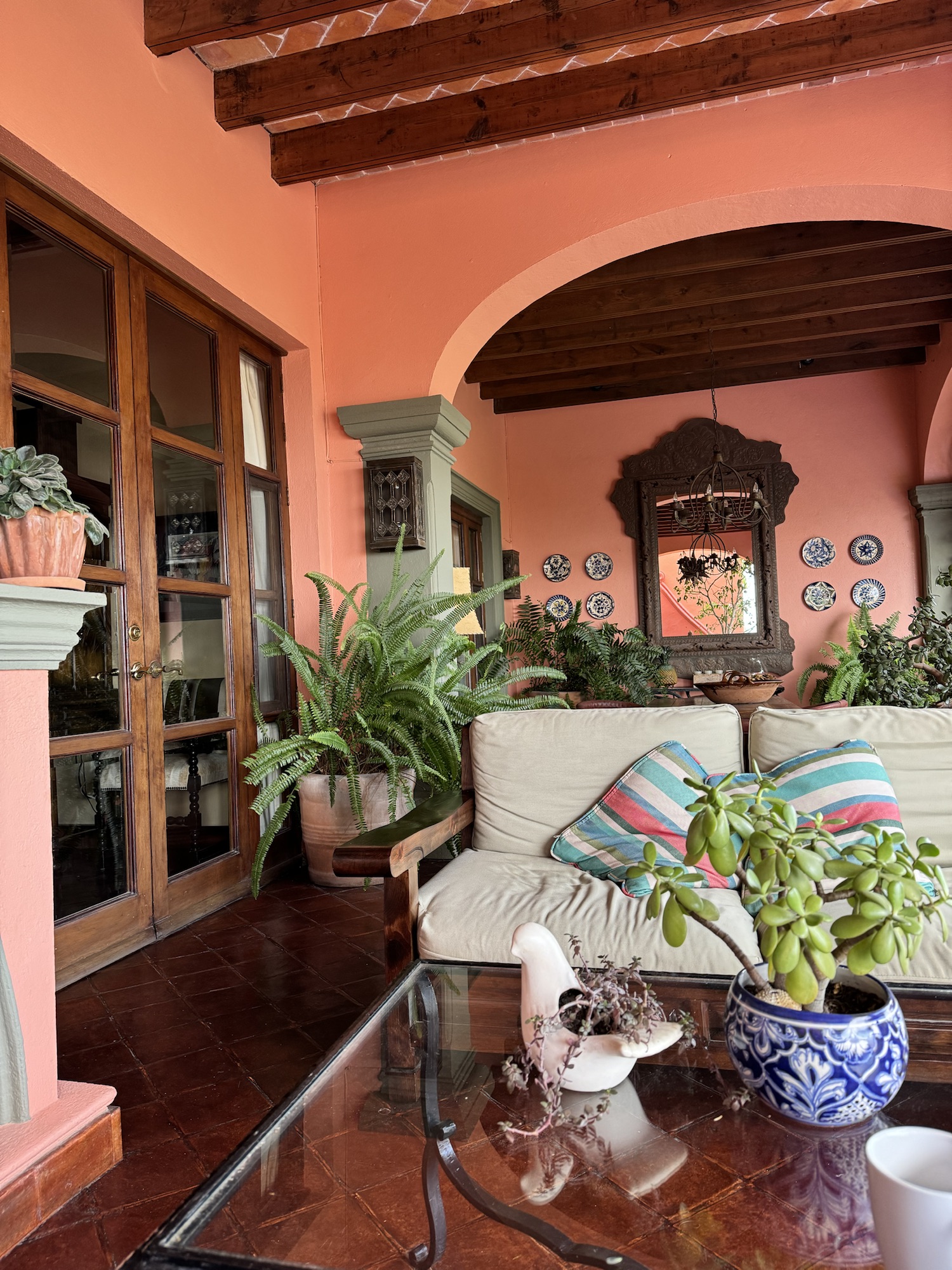
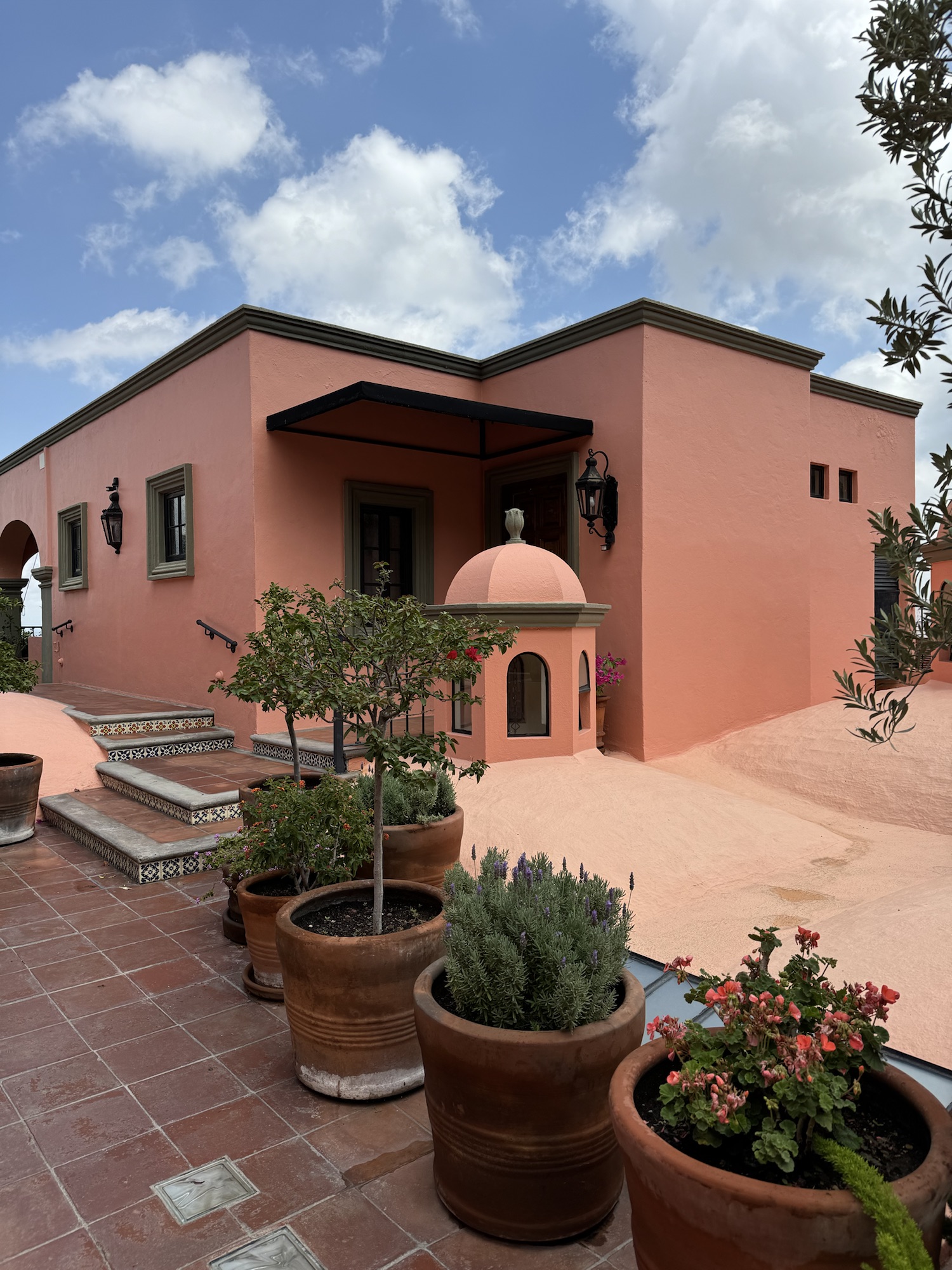
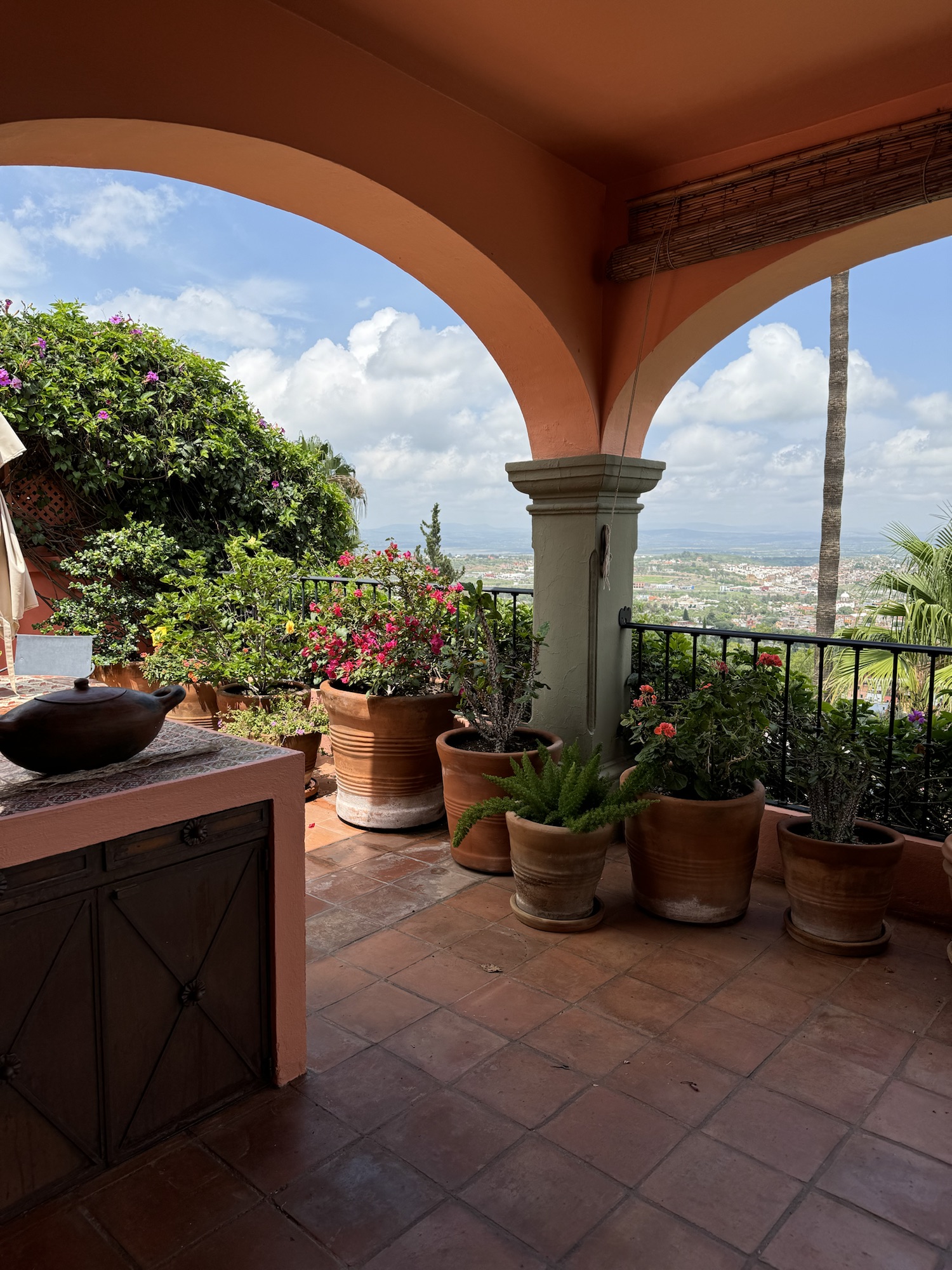
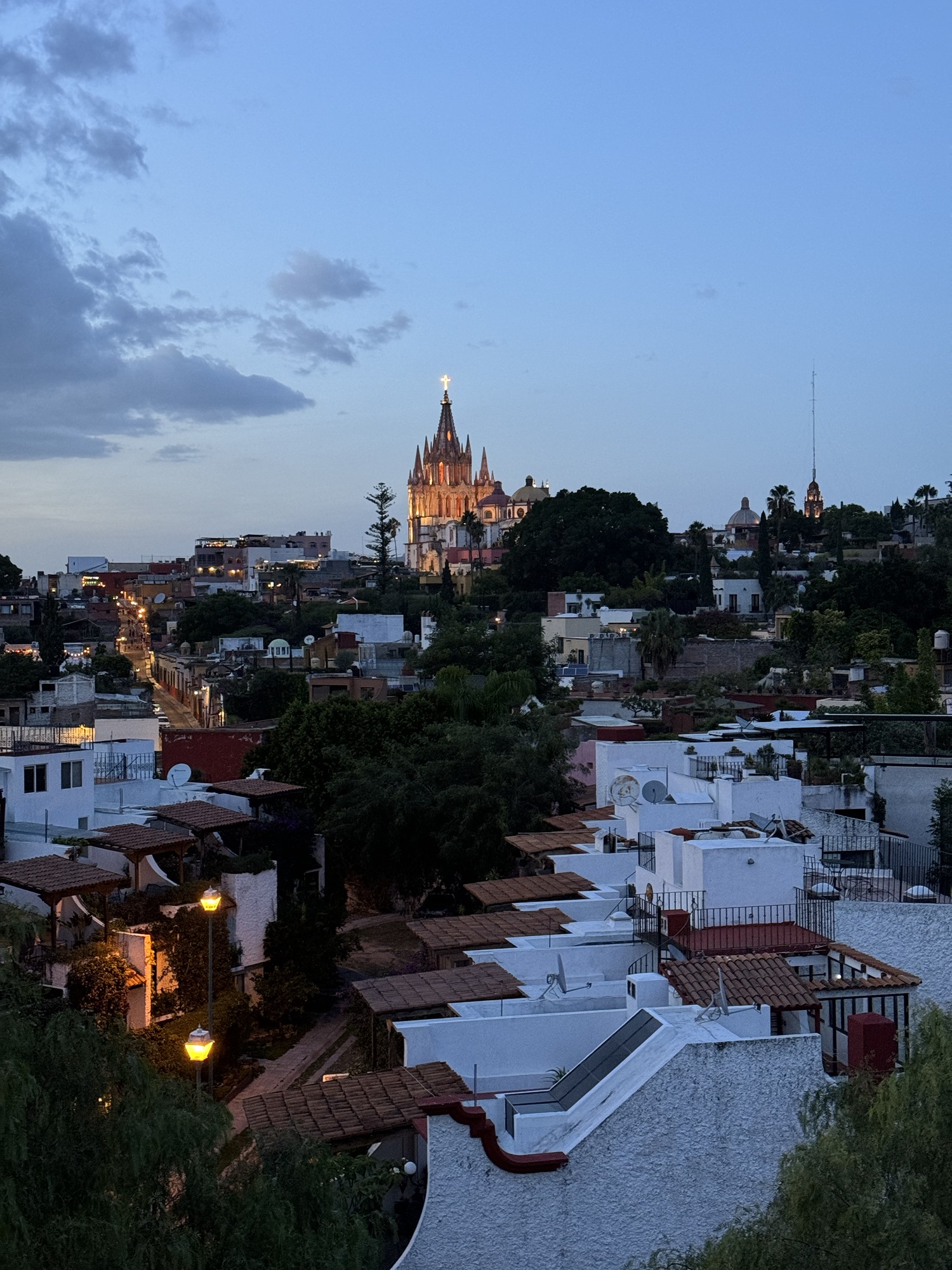
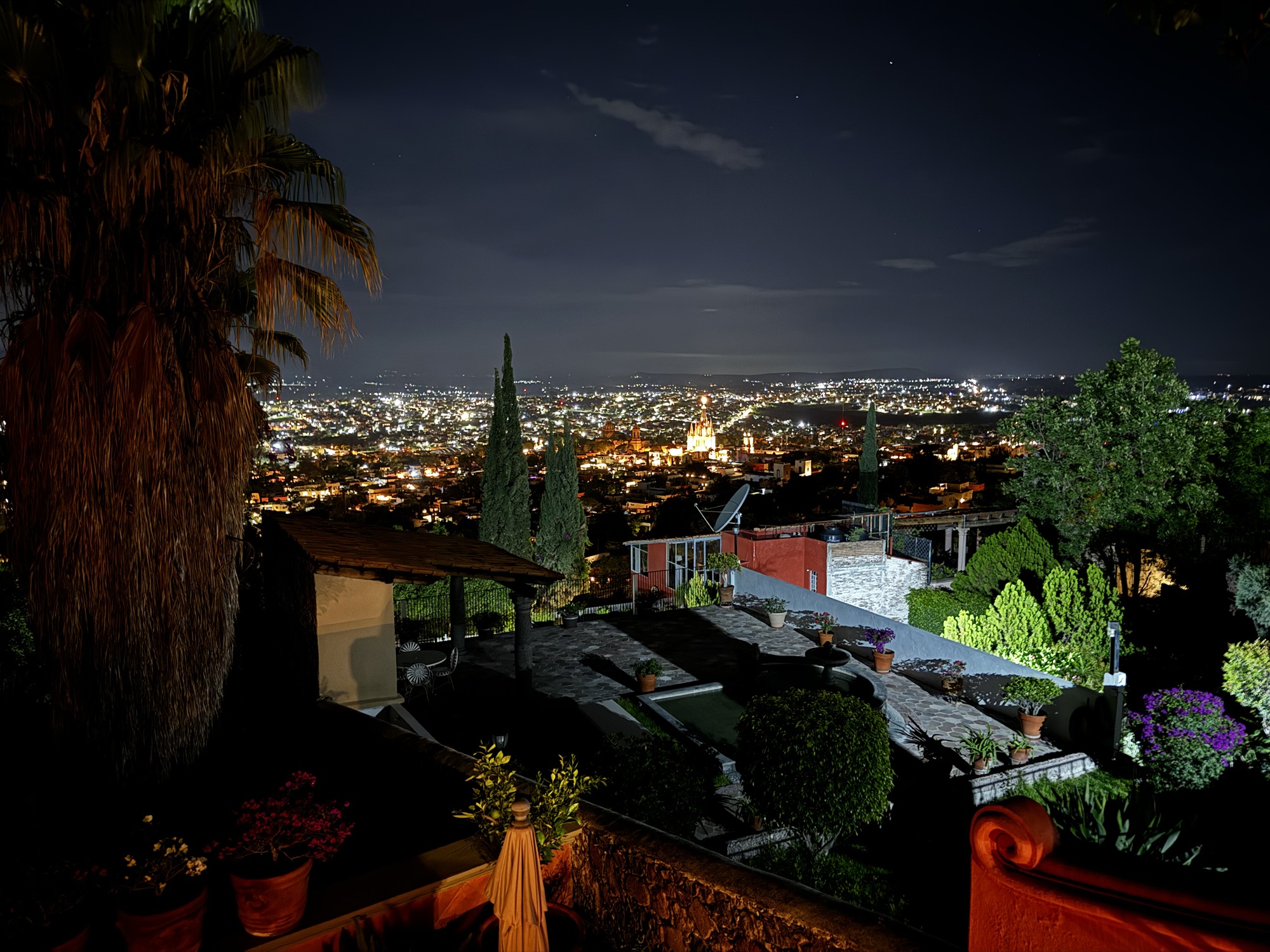
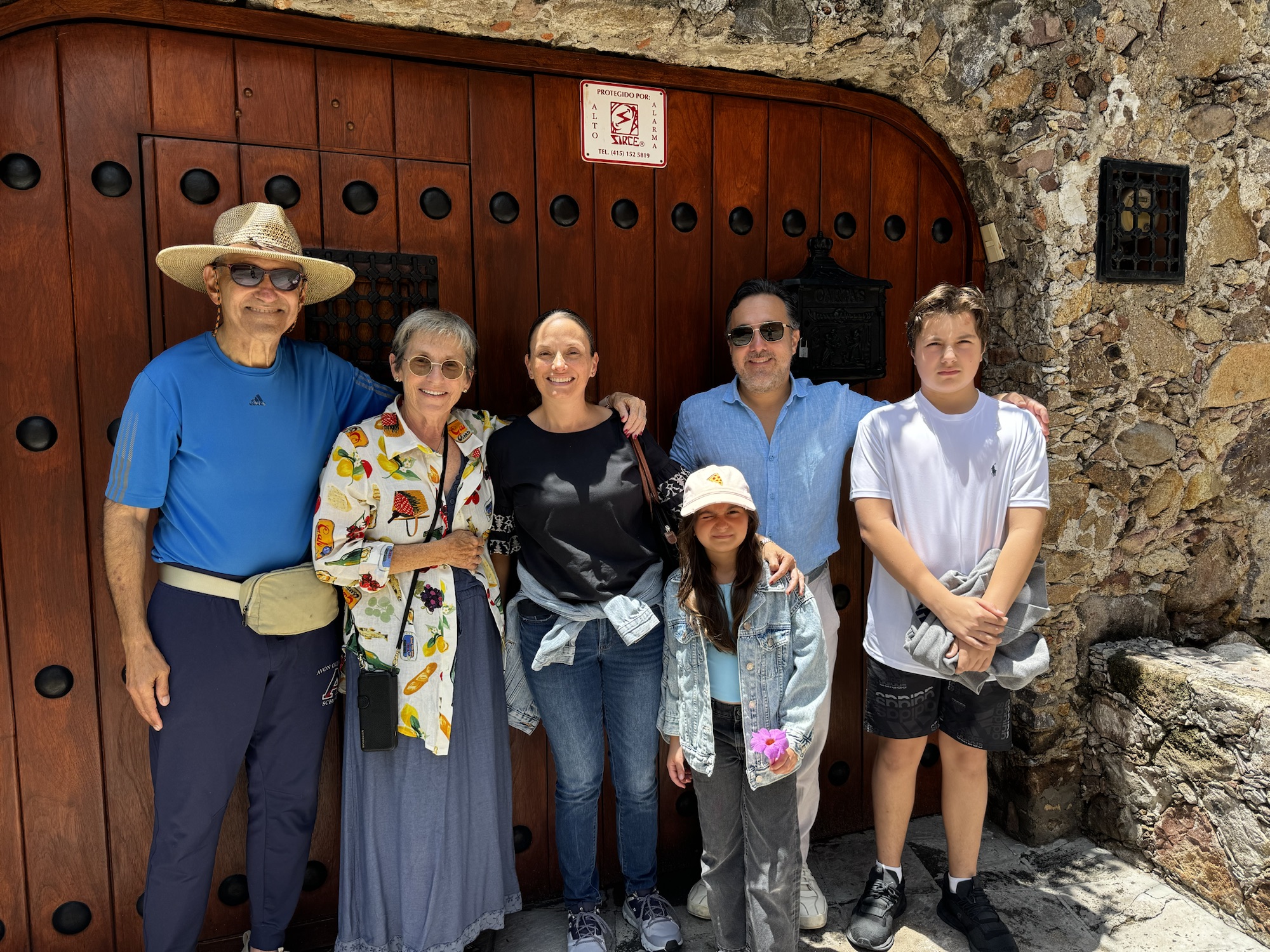
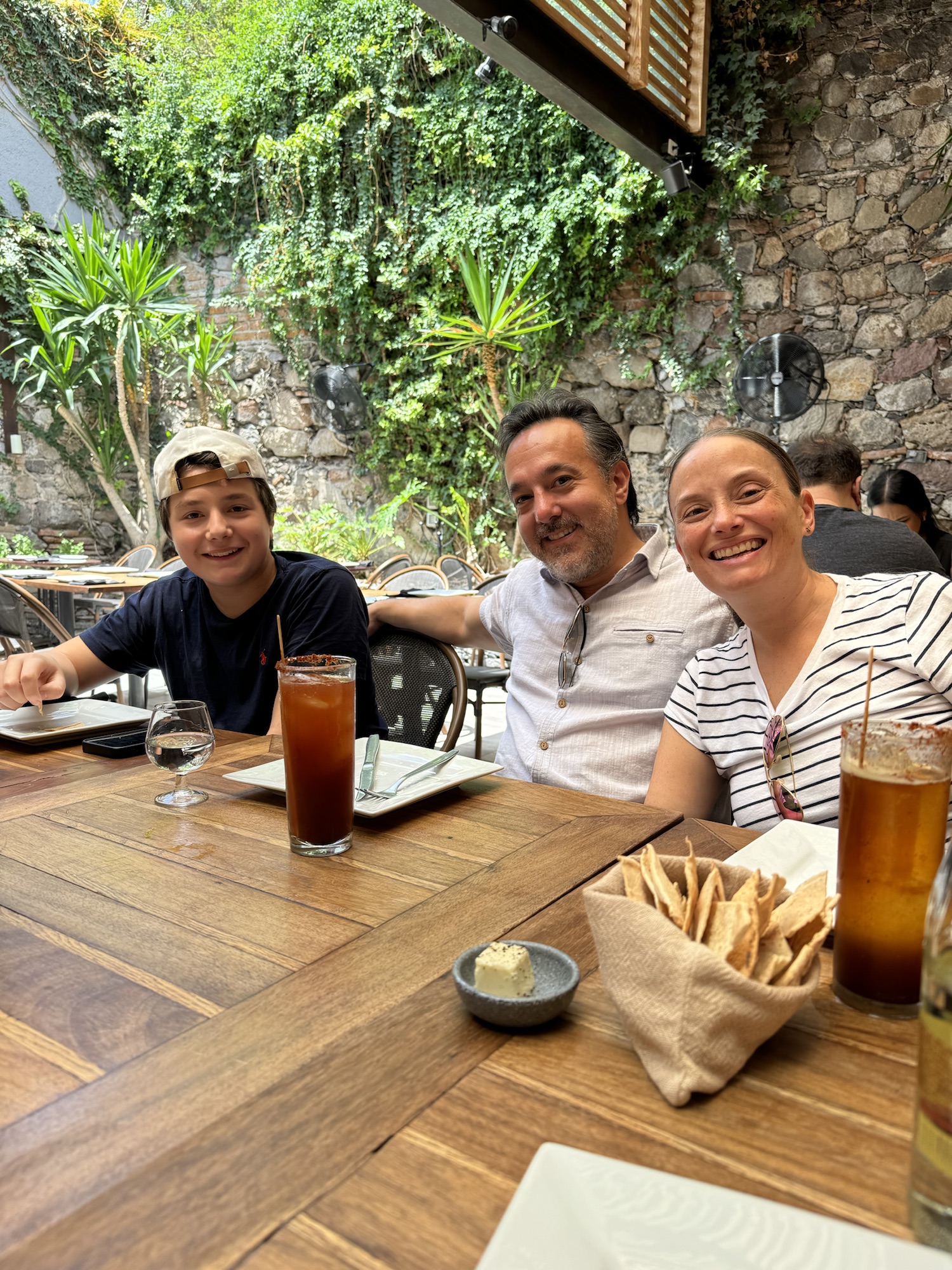
We were fortunate to have our dear friends from Monterrey, Mexico, join us for some of the time in SMA. We have known Marichu since she was an au pair of sorts when she was in here late teens and we lived in Seattle. We’ve kept in touch and she is now married to Luis (a wonderful guy) and has four kids! Marichu and Luis joined us with their two youngest children – Alvaro and Yemena – and having them along was a delight. Alvaro is a self-proclaimed foodie and did a great job of researching and recommending as well as reserving some of the best meals we had.
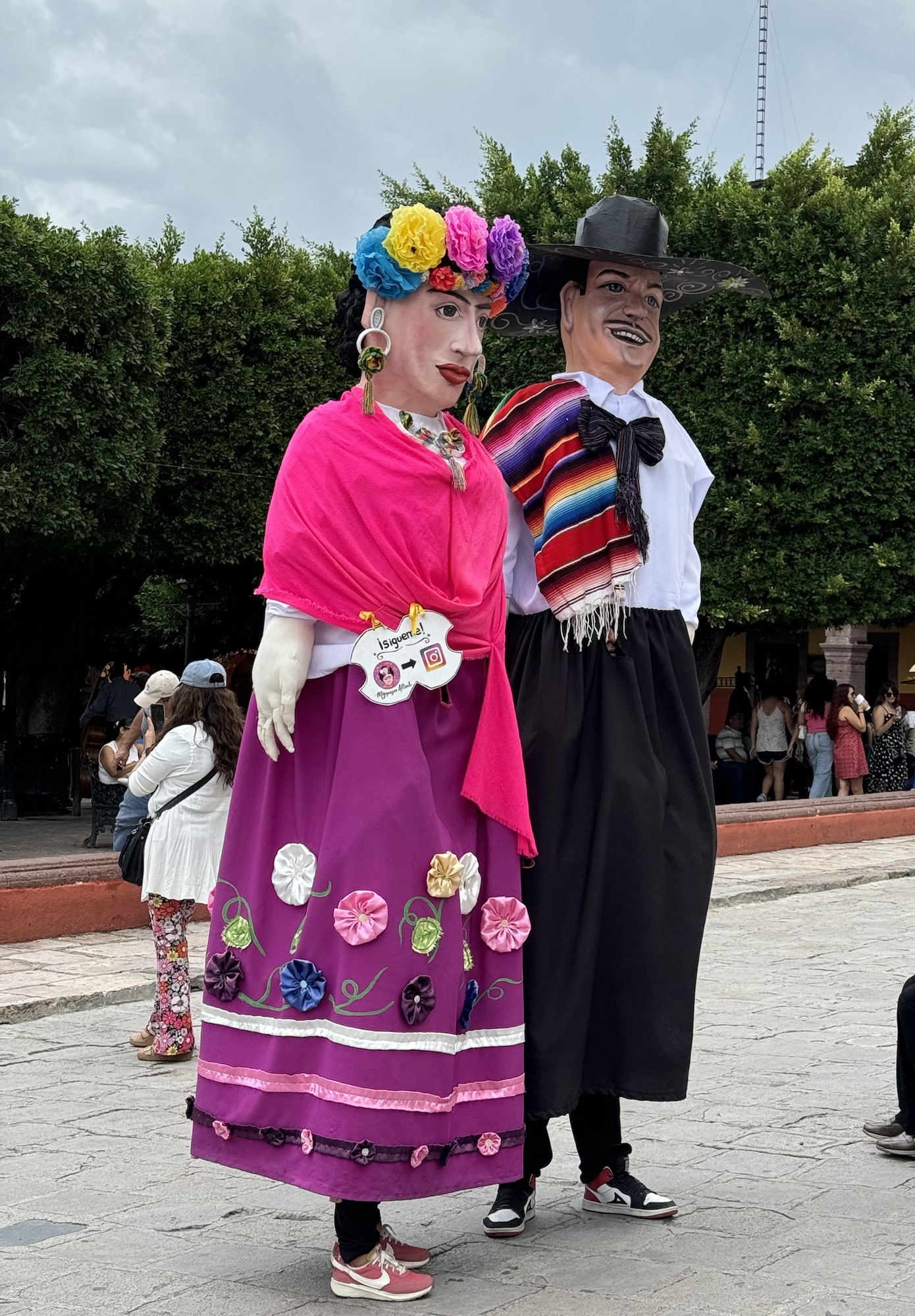
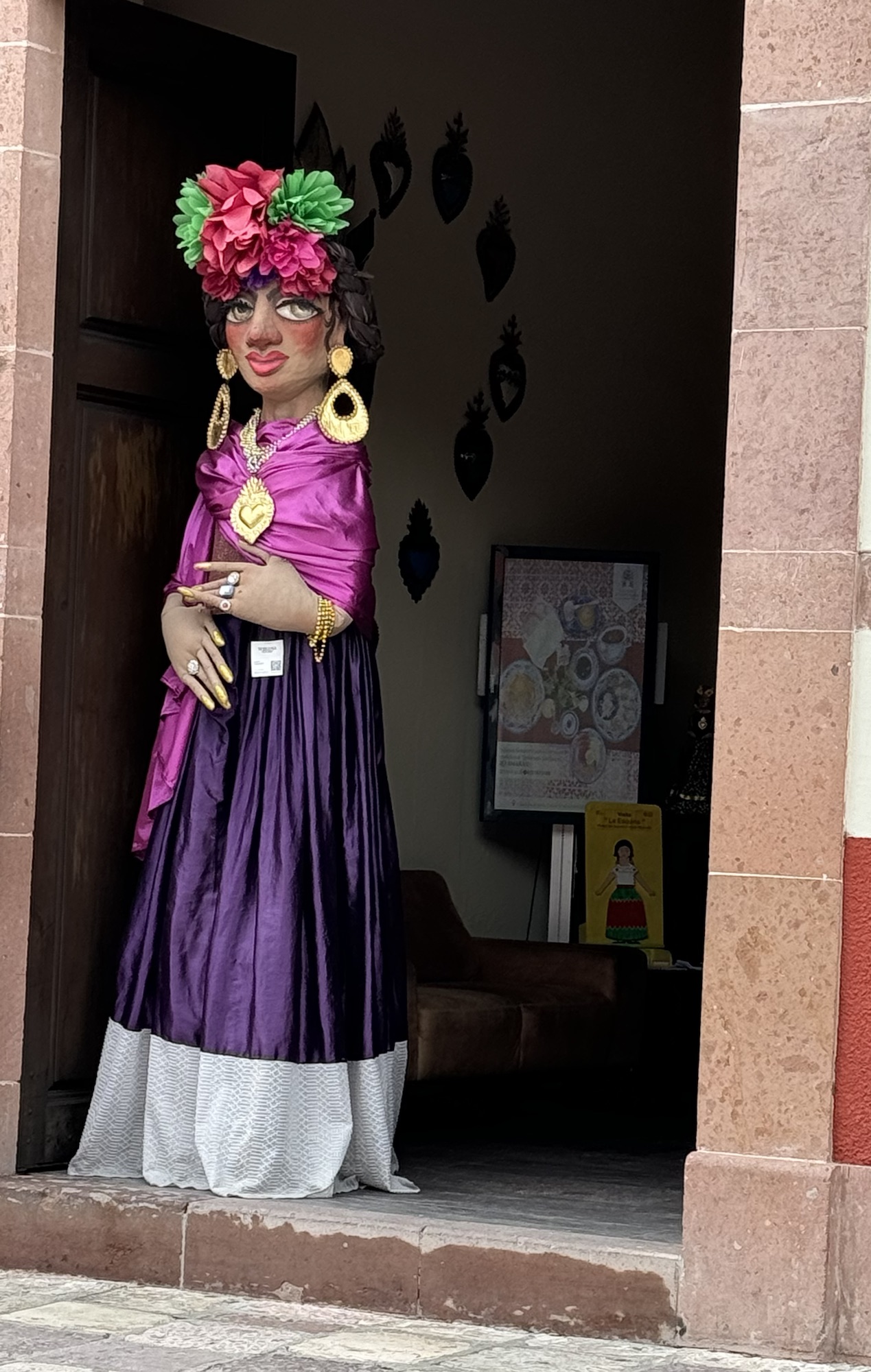
The center of SMA had as its centerpiece the cathedral and during the days we were there we got to see what were called “gigantes” in Spain – very tall human-filled puppets that wore traditional clothing and often are seen during holiday periods. There was even a wedding procession right through the zocalo while we were there.

Our last outing from SMA was to Guanajuato, a vibrant city in central Mexico that is a UNESCO World Heritage Site. The city’s numerous museums and galleries are a testament to its rich cultural heritage. We visited the Diego Rivera museum, which traces the artists decades-long career and his art that clearly evolved as the world he lived in was changing and political movements drew him in different directions. The museum is housed in his family home.
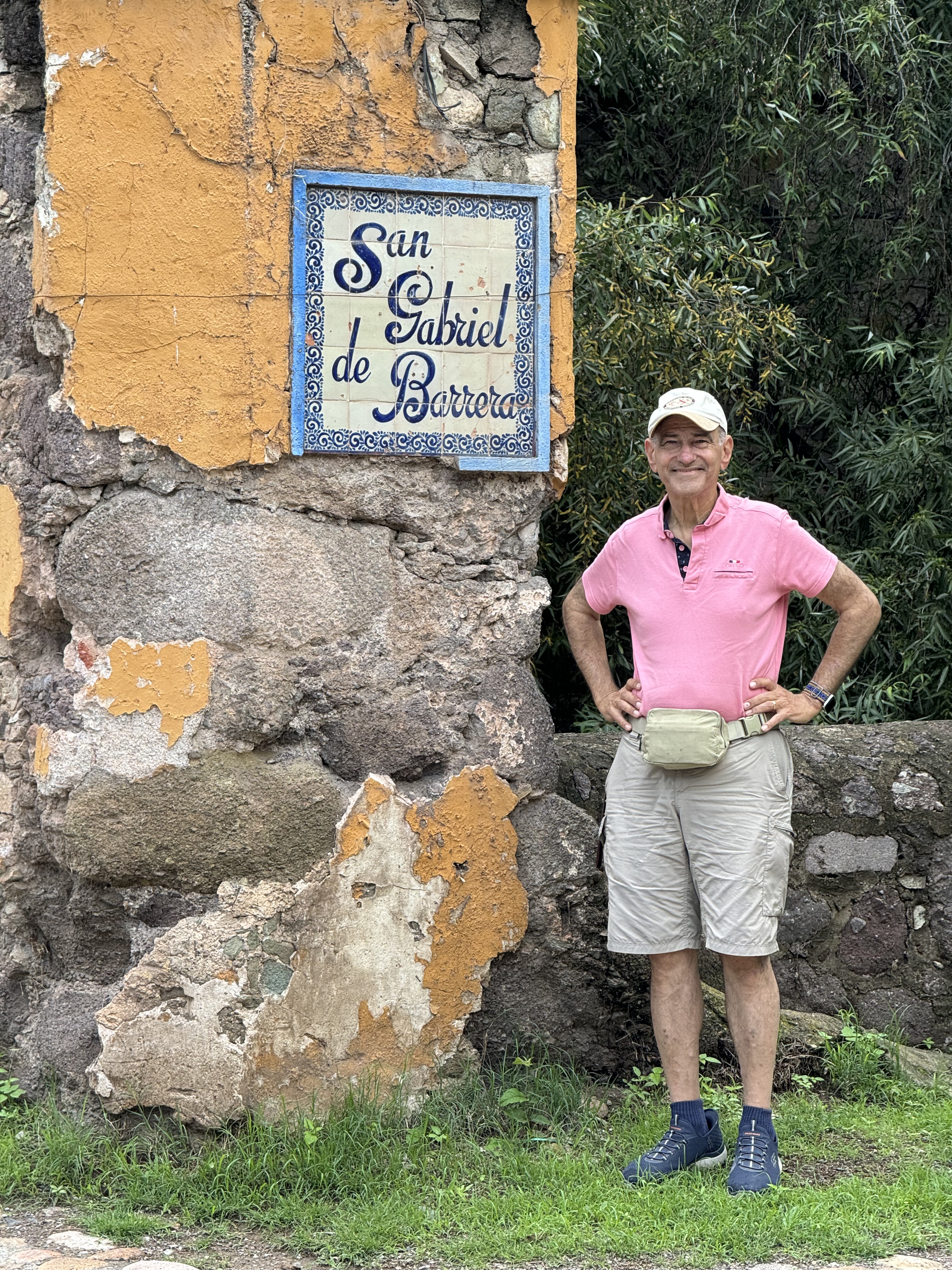
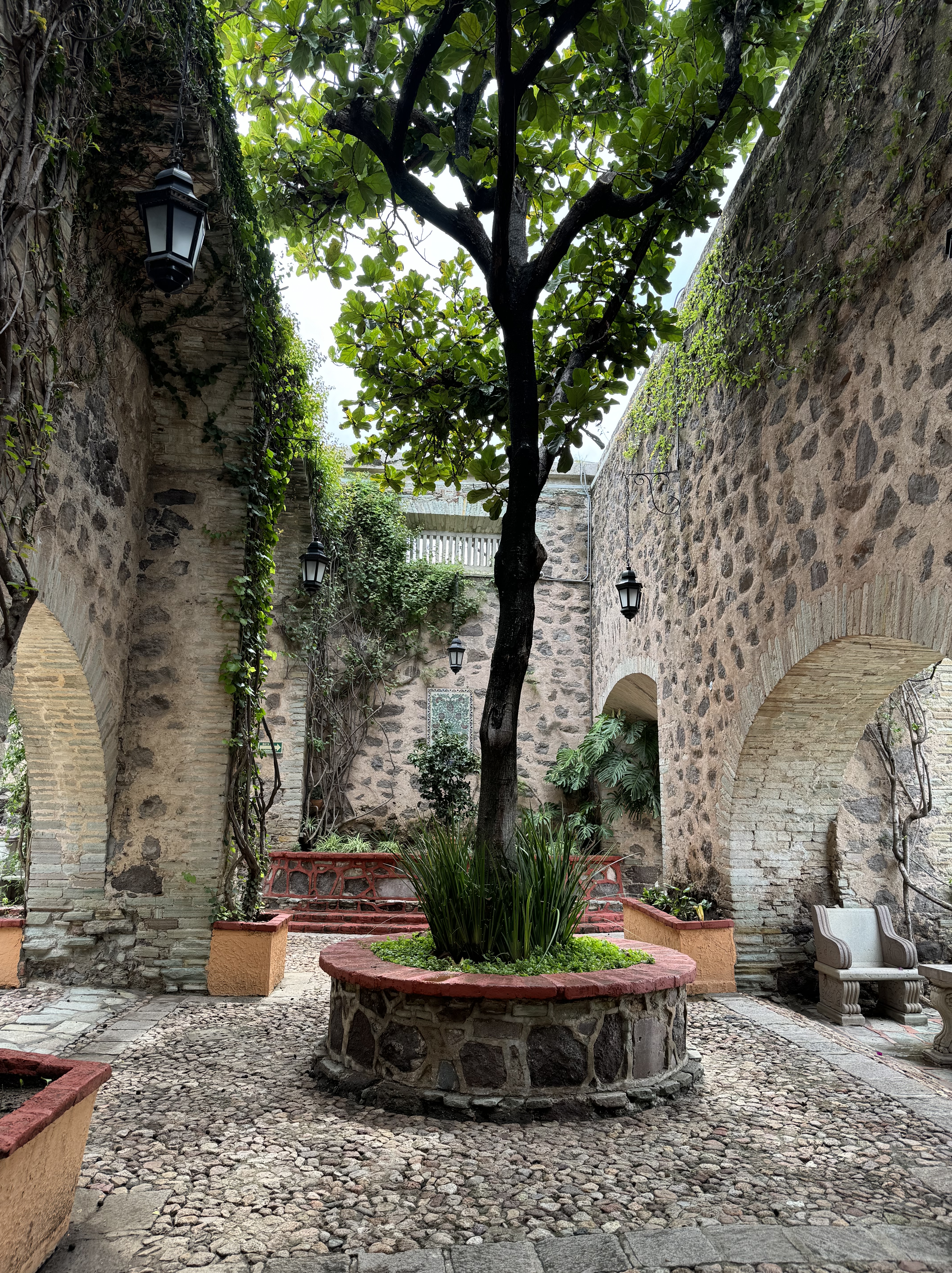
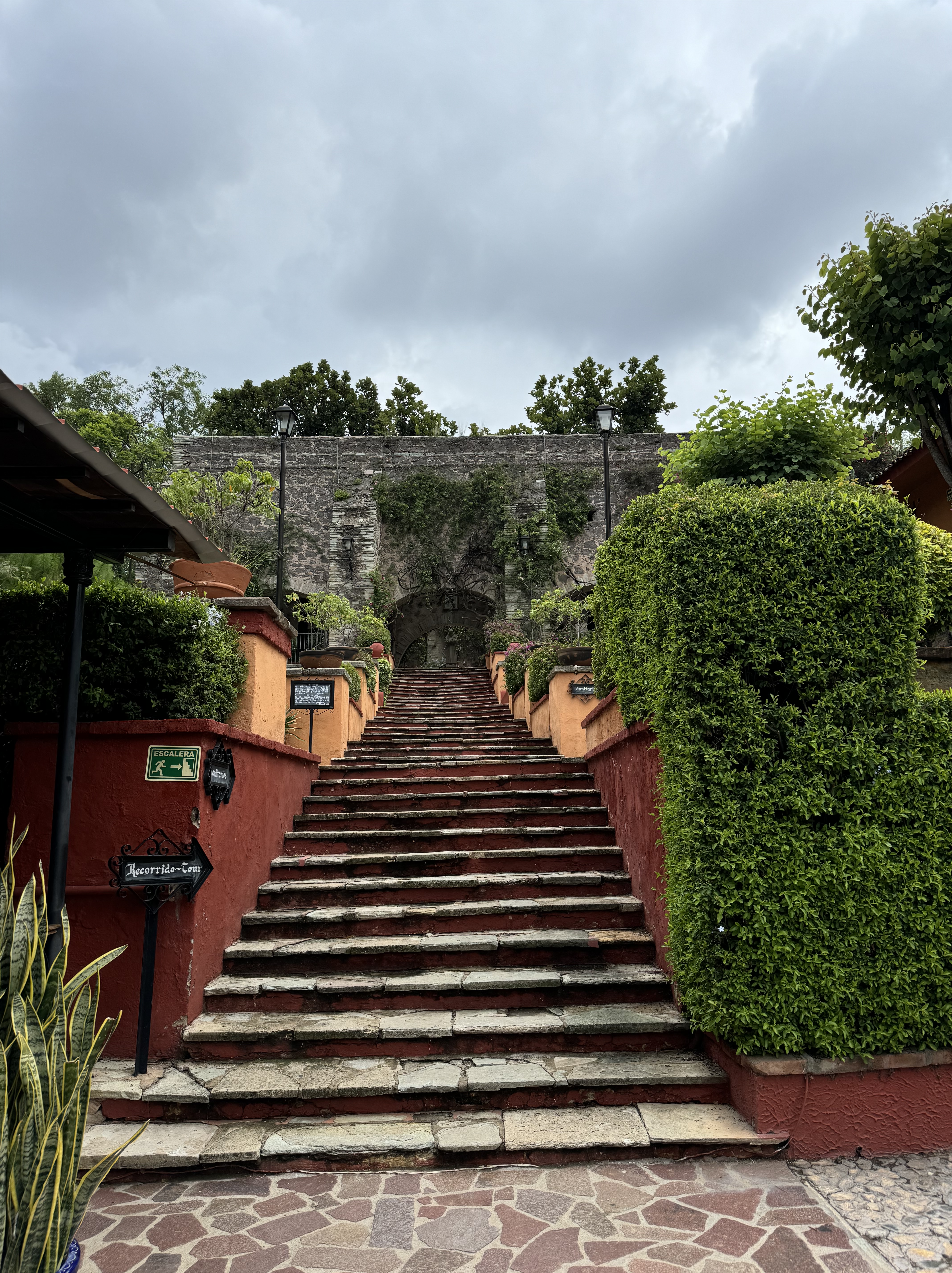
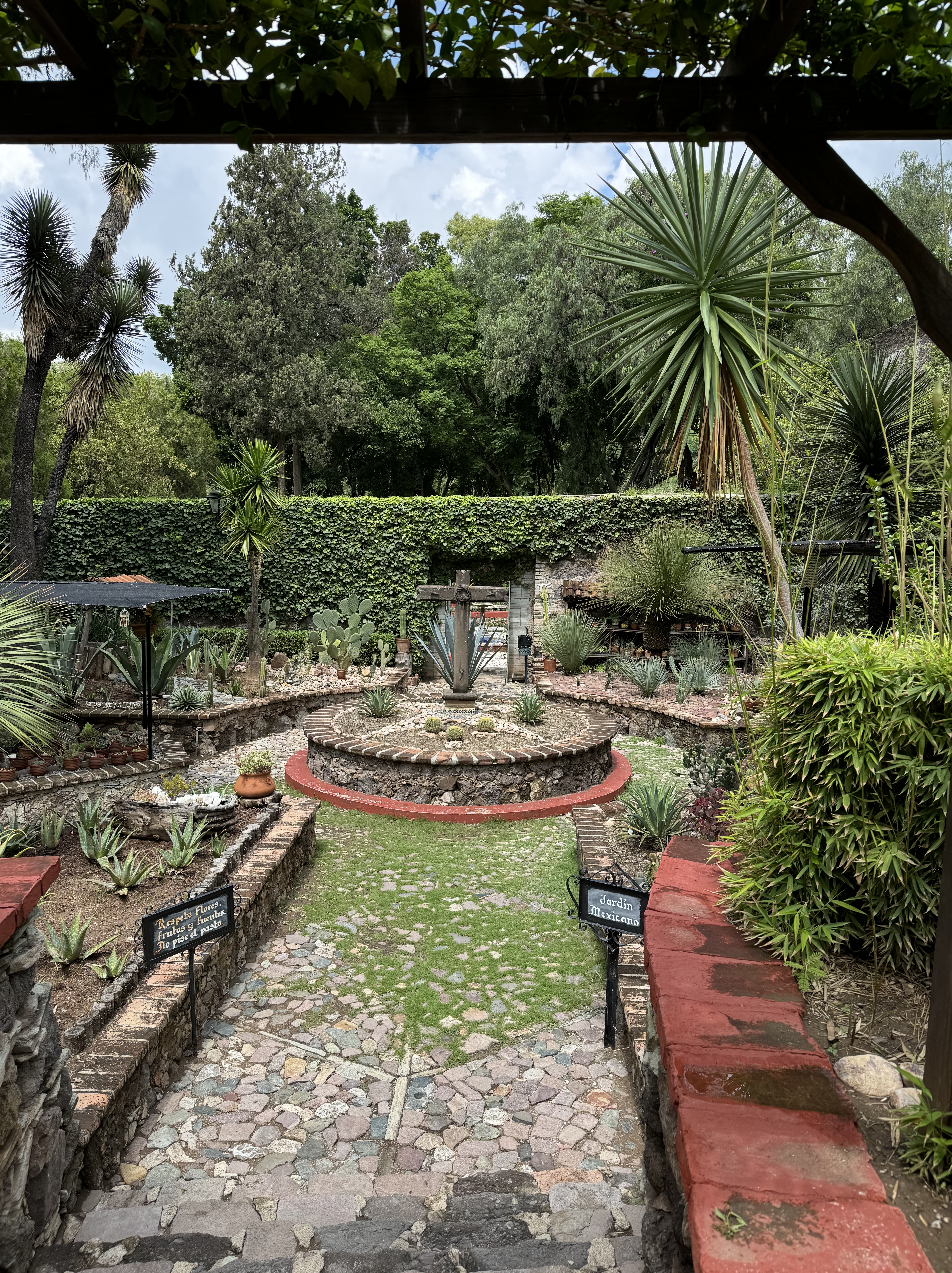
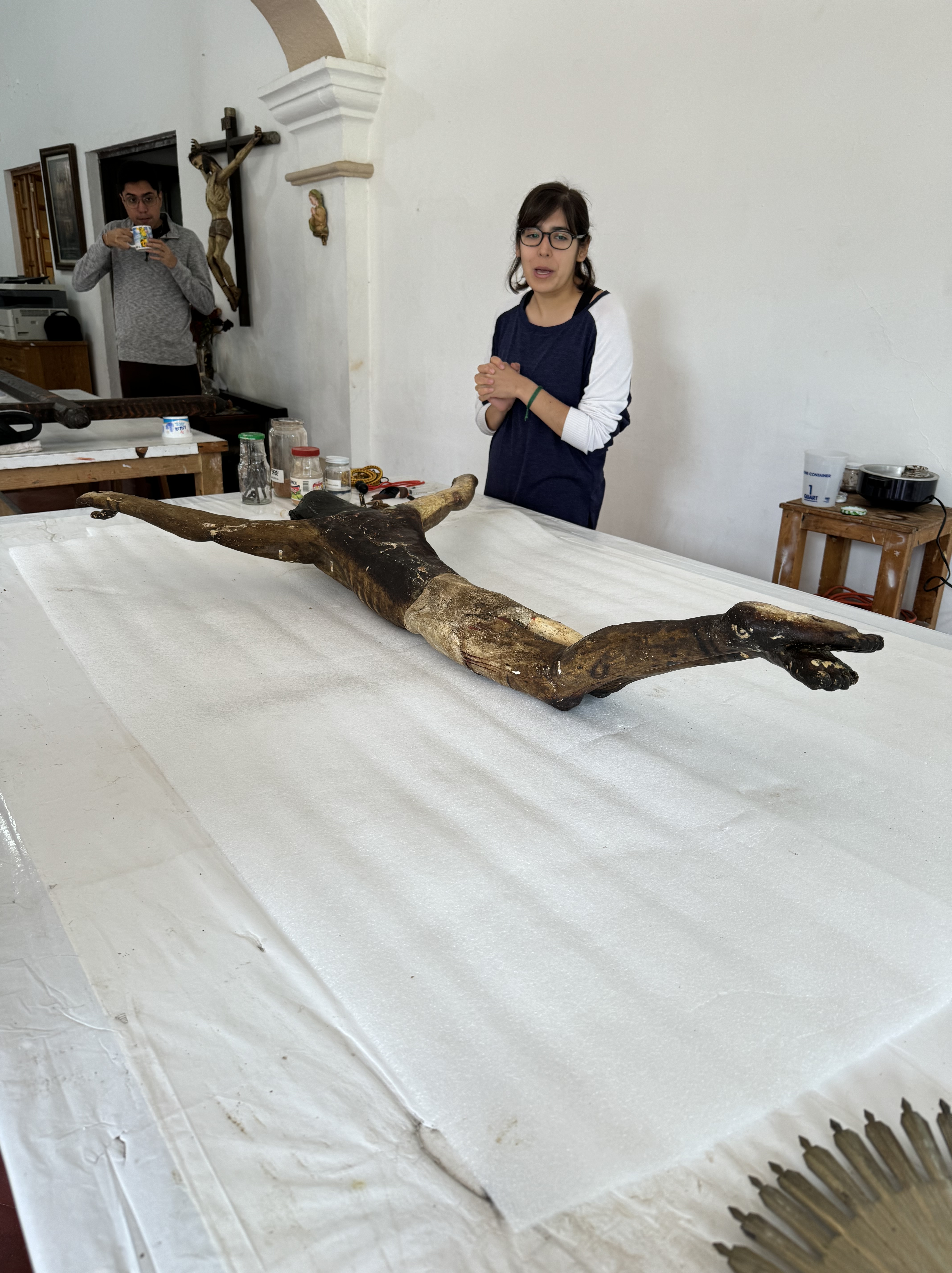
Guanajuato is also known for having many silver mines and “haciendas” where all the processing of the silver was done. We were able to visit San Gabriel de Barrera, on of these haciendas that has been converted into a beautiful park, event venue and workspace for some art restoration work. The gardens there are beautiful and lush, and the old factory and processing sites were converted to walkable pathways with remnant indicators of the work that had been done there.
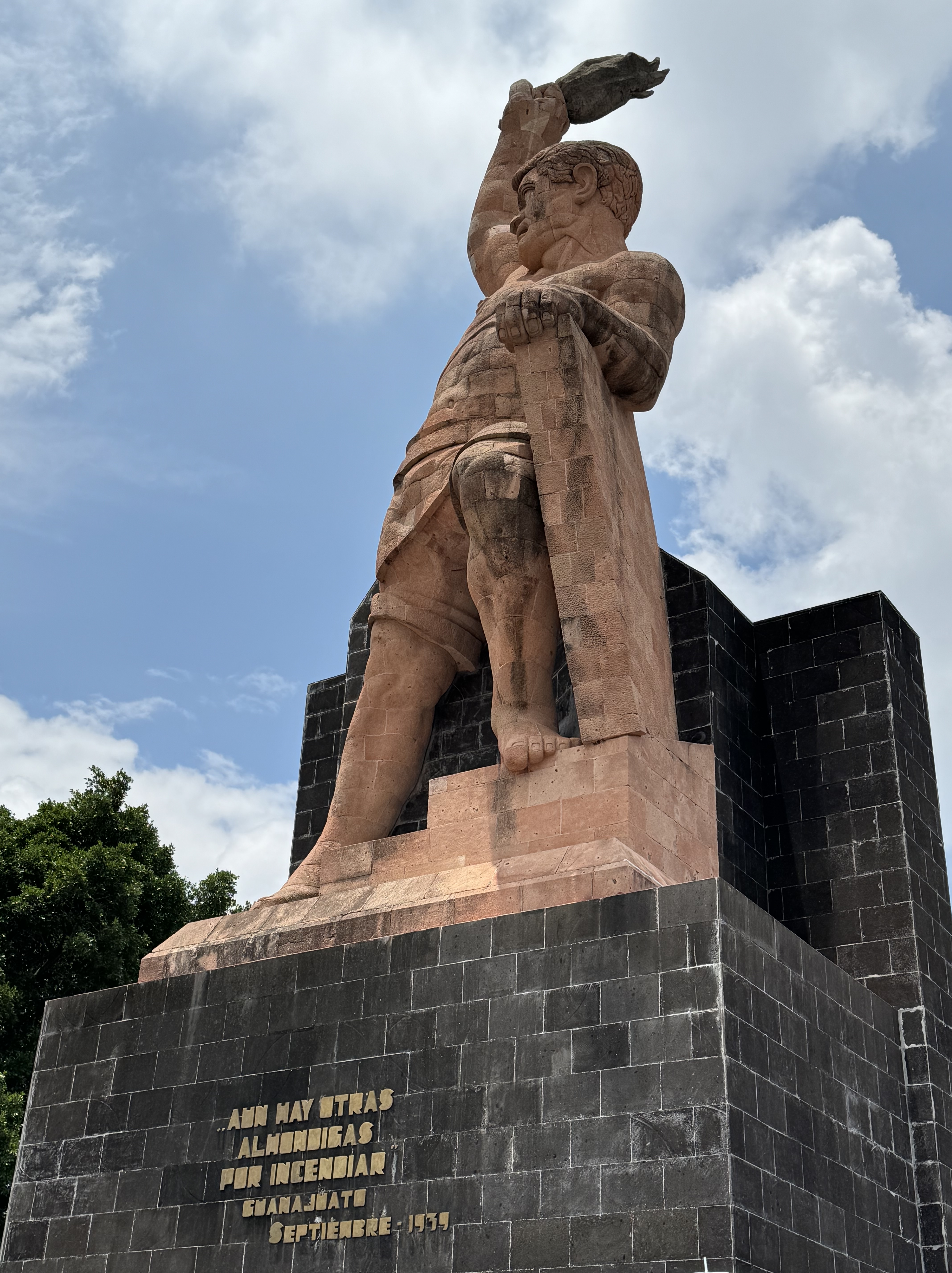
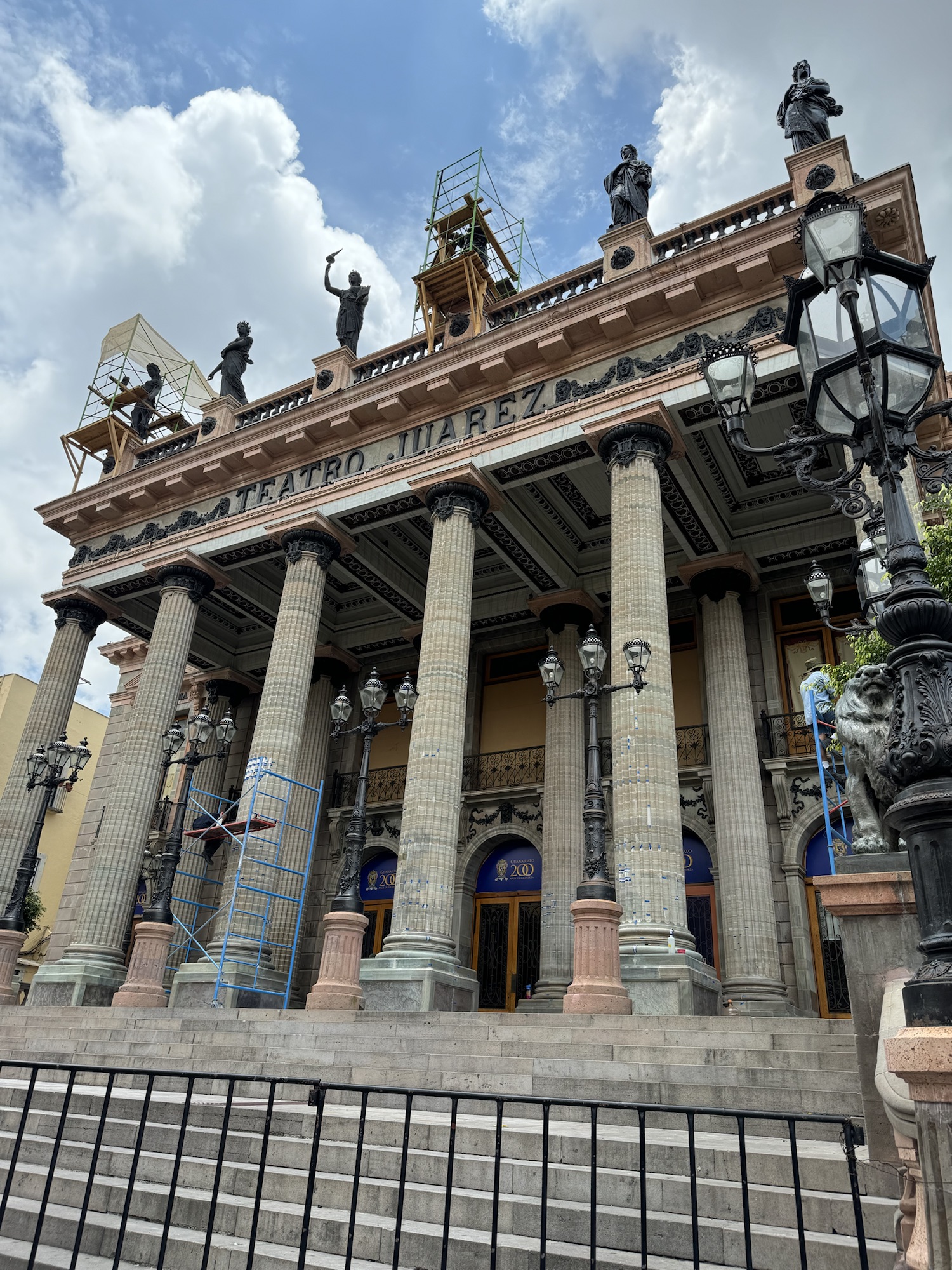
We got to explore the city center a bit and marveled at massive statue of El Pipila, the hero of the city. His brave actions achieved the first victory of the Mexican independence struggle, and he is now a folk hero. The city boasts a beautiful opera house began being built in 1873 and it took 31 years to complete. Around the top of the building stand sculptures of muses that are the nine daughters of Zeus and Mnemosyne, said to be inspiring divinities who presided over the different types of poetry, the arts and sciences.
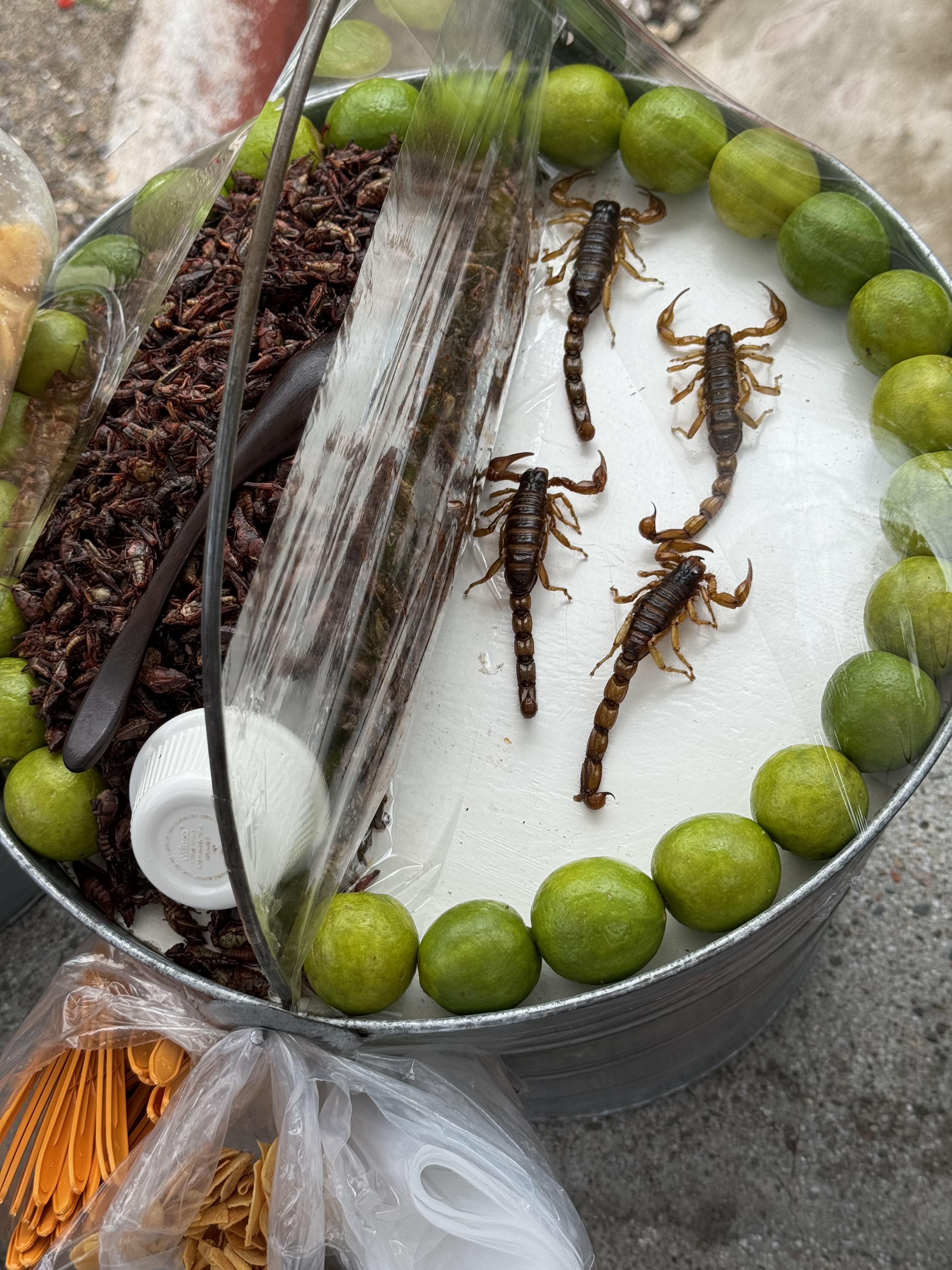
One other thing made a lasting impression on me – the traditional street food…scorpions! I’m sorry, but that “delicacy” I took a pass on. Can you blame me?
In all, Andrew and I again enjoyed our exploration of different places in Mexico. We find the people, the history, the art and the cuisine (except for scorpions) to be delightful.
Hasta luego!
 Living La Vida Loca
Leave a comment