
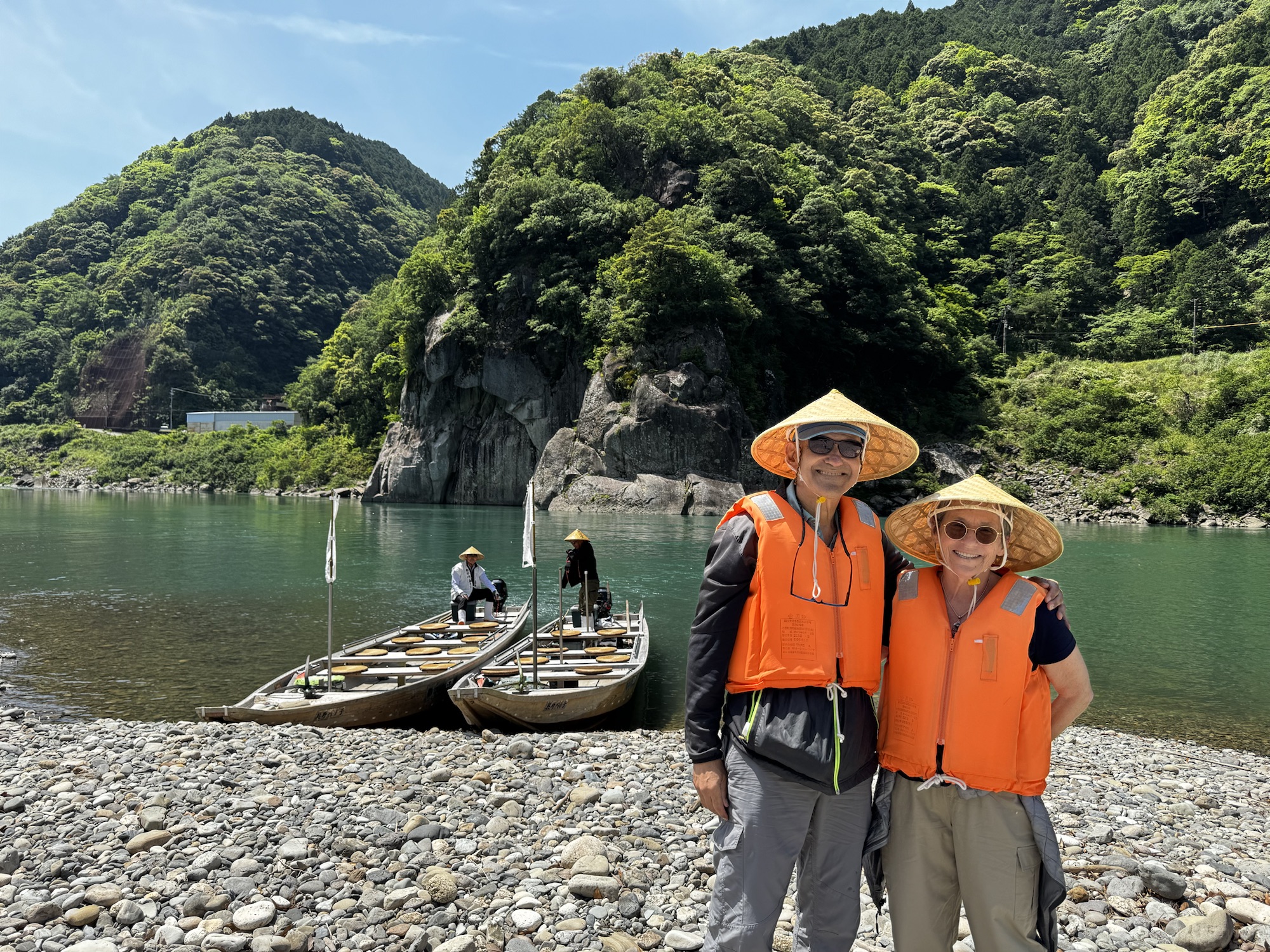
A Slice of Life
One of the things that Andrew and I most enjoy when we travel is getting to know local people. It’s not always easy to do this when you are in “tourist mode”, wanting to see famous sites, try the best versions of local cuisine, and do this as comfortably as possible. We decided on this trip that we’d spend a few days in the home of a Japanese native – connected through the https://www.homestay.com/ website. We were matched with Yoko – a school teacher who lives alone and often hosts travelers. She also travels a lot with the extra income she gets from hosting. Yoko lives in a very modest home directly across from the local train stop outside of central Osaka – a suburb called Sakai. The house is on two levels – her bedroom, the combination bathroom/laundry room/Japanese soaking bath/shower, small cooking area, and parlor for teaching were on the ground floor. Our bedroom was up a very steep set of narrow stairs that barely fit two twin beds. There was another small bedroom, a sitting area, and a tiny kitchen prep area upstairs, too, along with a shared toilet in hall. Unlike what we are used to at home, one showers off first, then gets into a tub of warm water that is shared by the household (we opted out of that part) and kept warm between users. Time in the bathtub is supposed to be meditative and unrushed by tradition…we really only experienced that later when we stayed at onsens (stay tuned). As we found everywhere in Japan, Yoko’s home was spotless despite its tiny footprint.
The only unfortunate culinary experience on our trip happened when we asked to try some local street food. We ended up with what looked pretty decent from the outside – like fried falafel balls…only to discover gooey octopus pieces inside. Not.
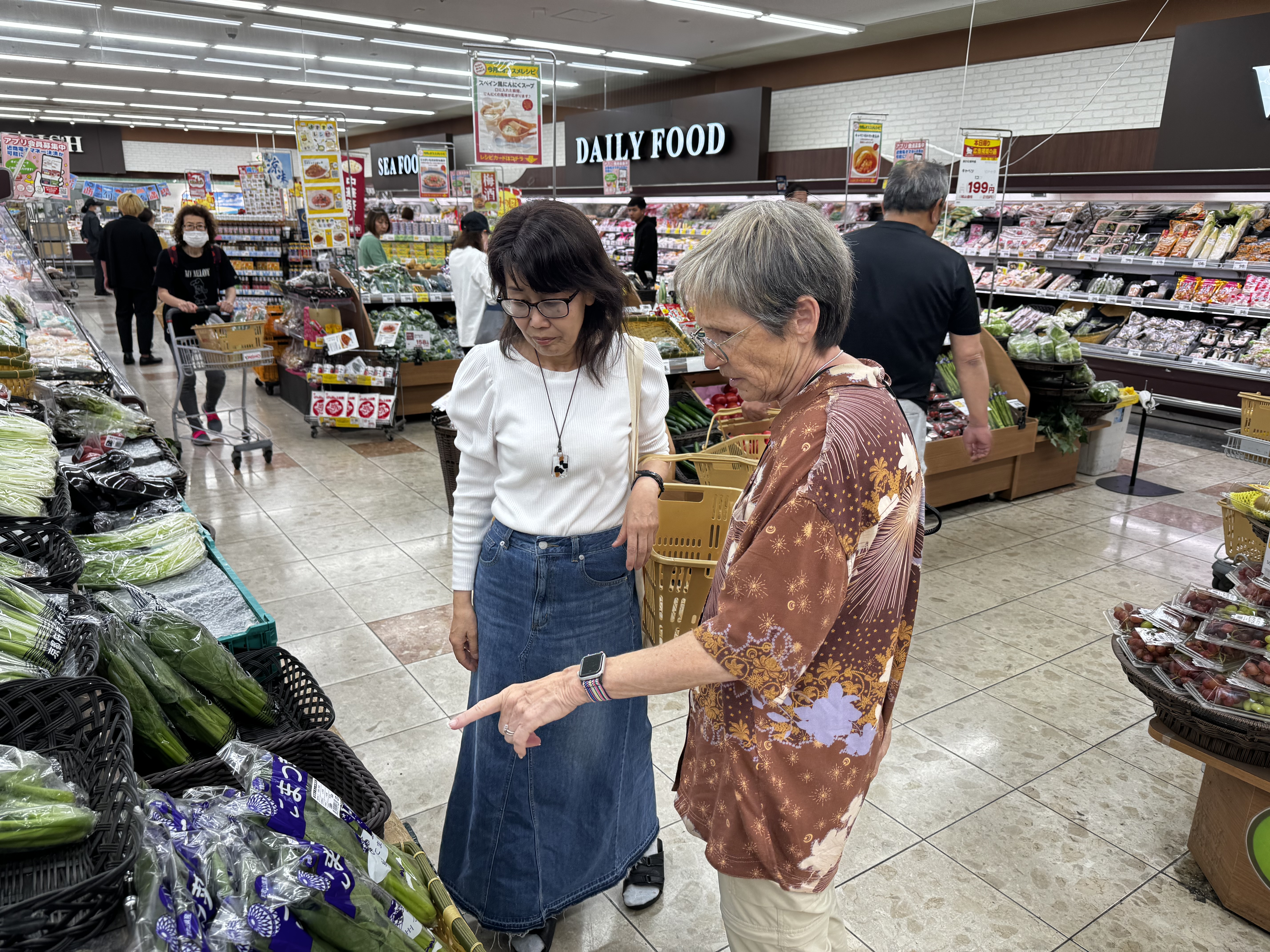
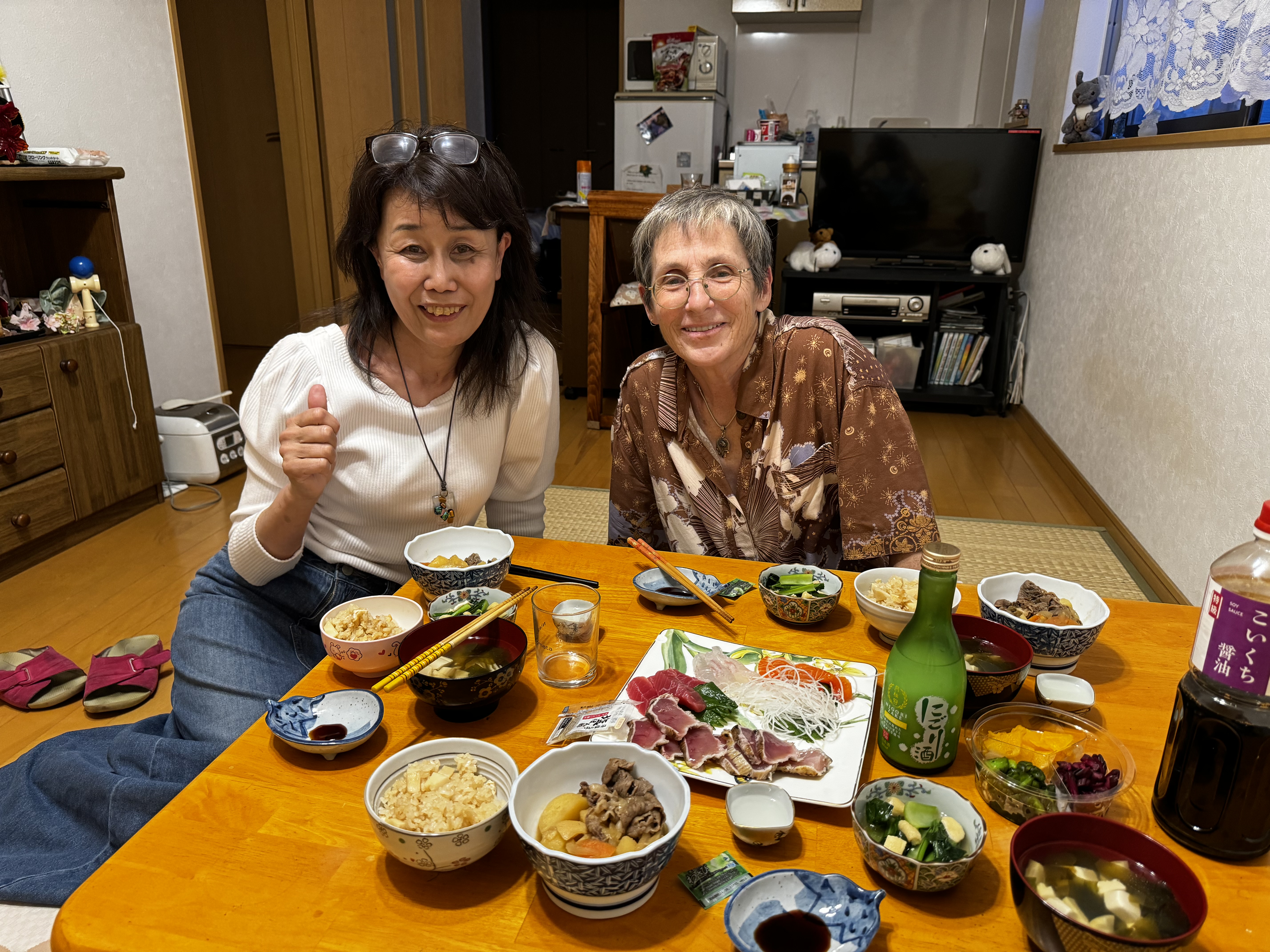
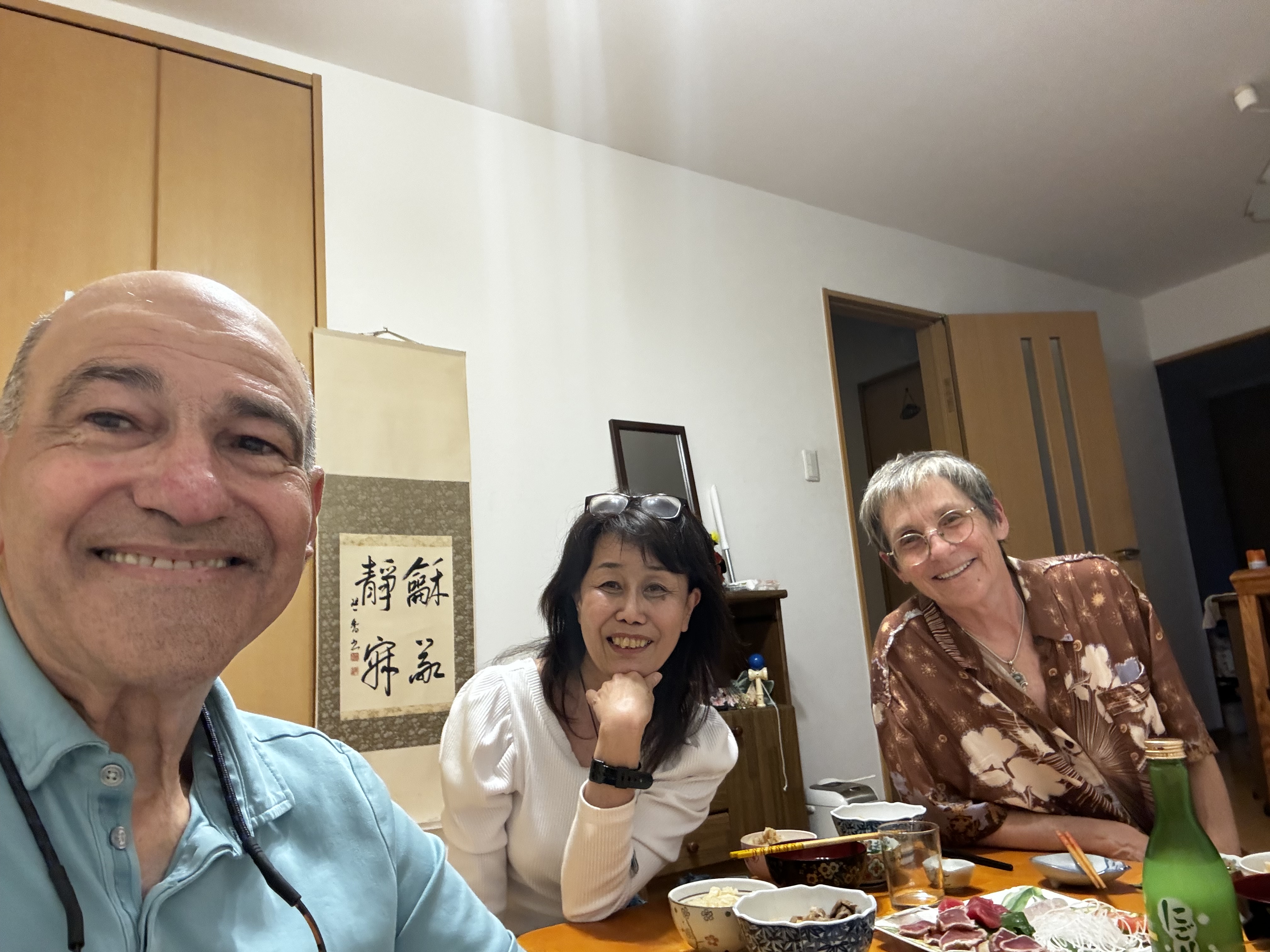
We’d asked Yoko if she would cook us a traditional, simple meal for dinner so she took us shopping at the local grocer for the fixings. We picked up sushi, pickled veggies, beef and a variety of local vegetables and dinner was accompanied by sake, chocolate and sweet mochi dessert. We talked about our travels and Yoko shared hers – in all it was a good experience that definitely drove home that in every country what you see as a tourist is not a true “slice of everyday life” unless you go looking for it!
Osaka and Sealife

We hadn’t planned to spend any time in Osaka but since Yoko lived in the outskirts of this key city and the weather was damp during our second day with her, we decided to check out the Kaiyukan Aquarium…apparently along with many locals who needed to get their kids out of the house on a miserable weather day! We got timed tickets for a couple of hours hence and wandered across a bridge to a lovely shop full of traditional Japanese items. What made this stop-in so fun was the “curator” of the shop who took great delight in showing us all the cool items there, explaining their historical and cultural significance, and encouraging us to have our pictures taken with these artifacts. We did come away with some very nice sets of chopsticks.


Despite a bit of a wait to get into the aquarium, it was worth the wait. Each Pacific Ocean region has its own set of huge tanks and despite the crowds we were able to marvel at whale sharks, sea lions, huge spider crabs, rays, and a very jellyfish exhibit was super cool.
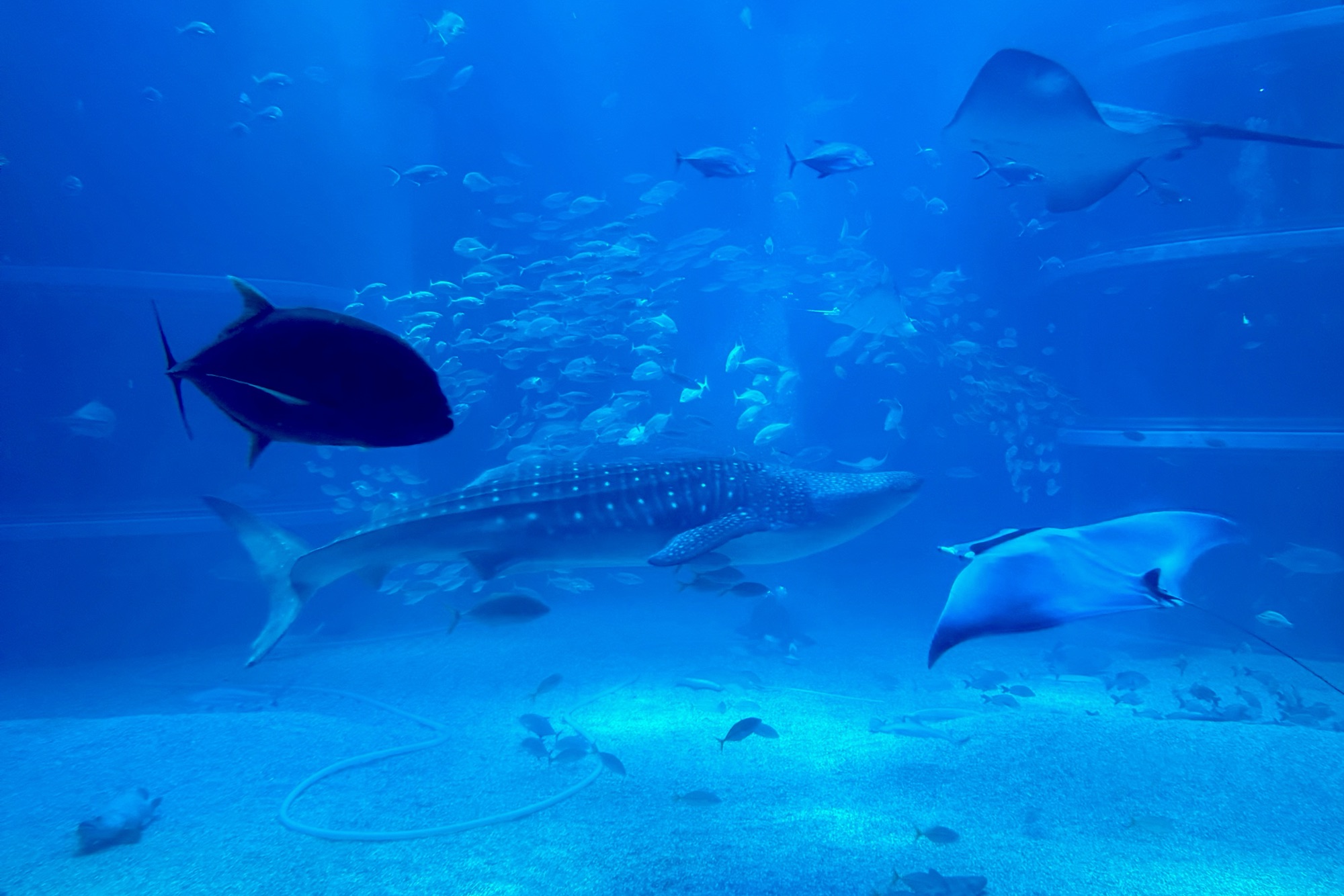



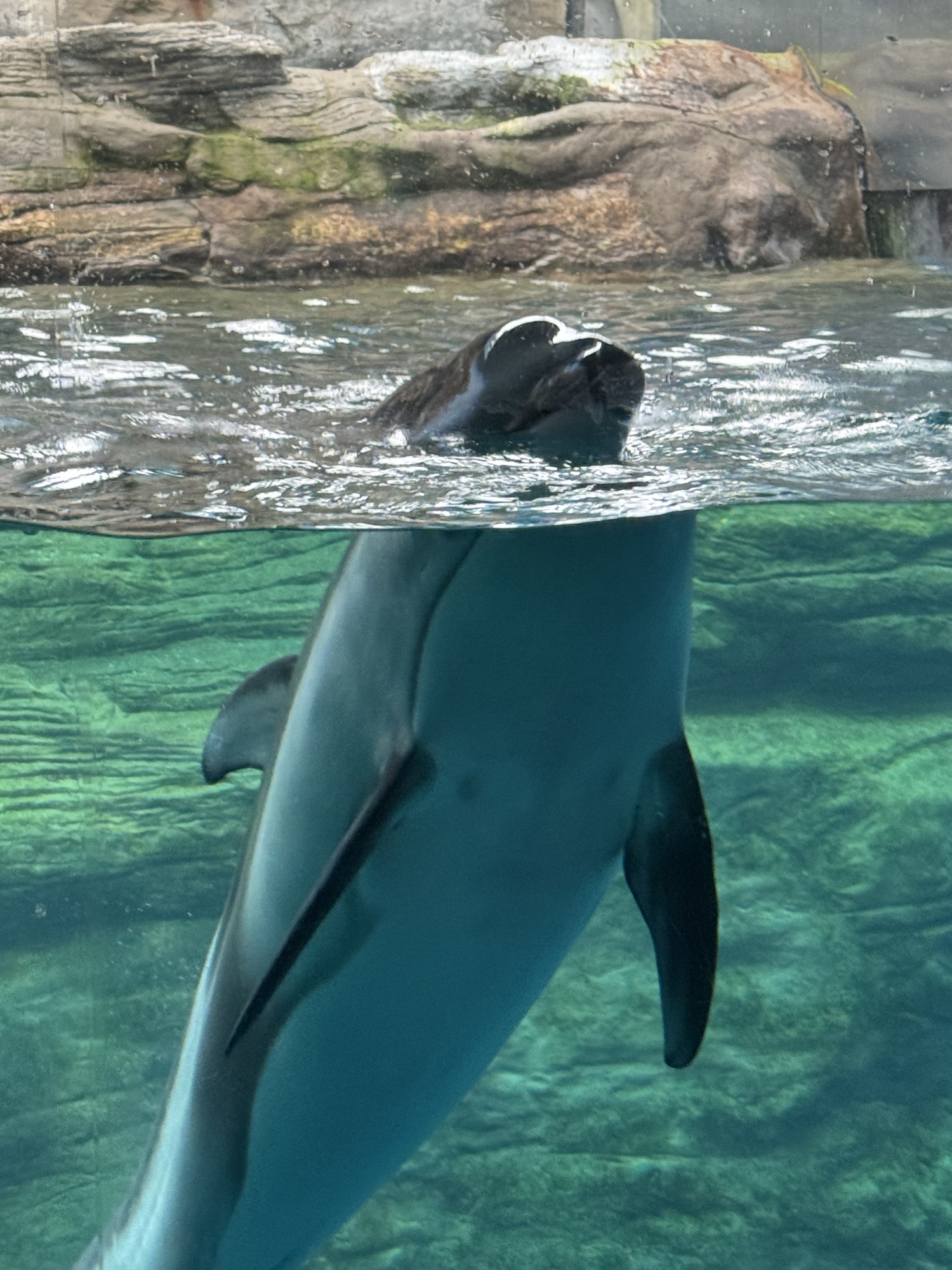
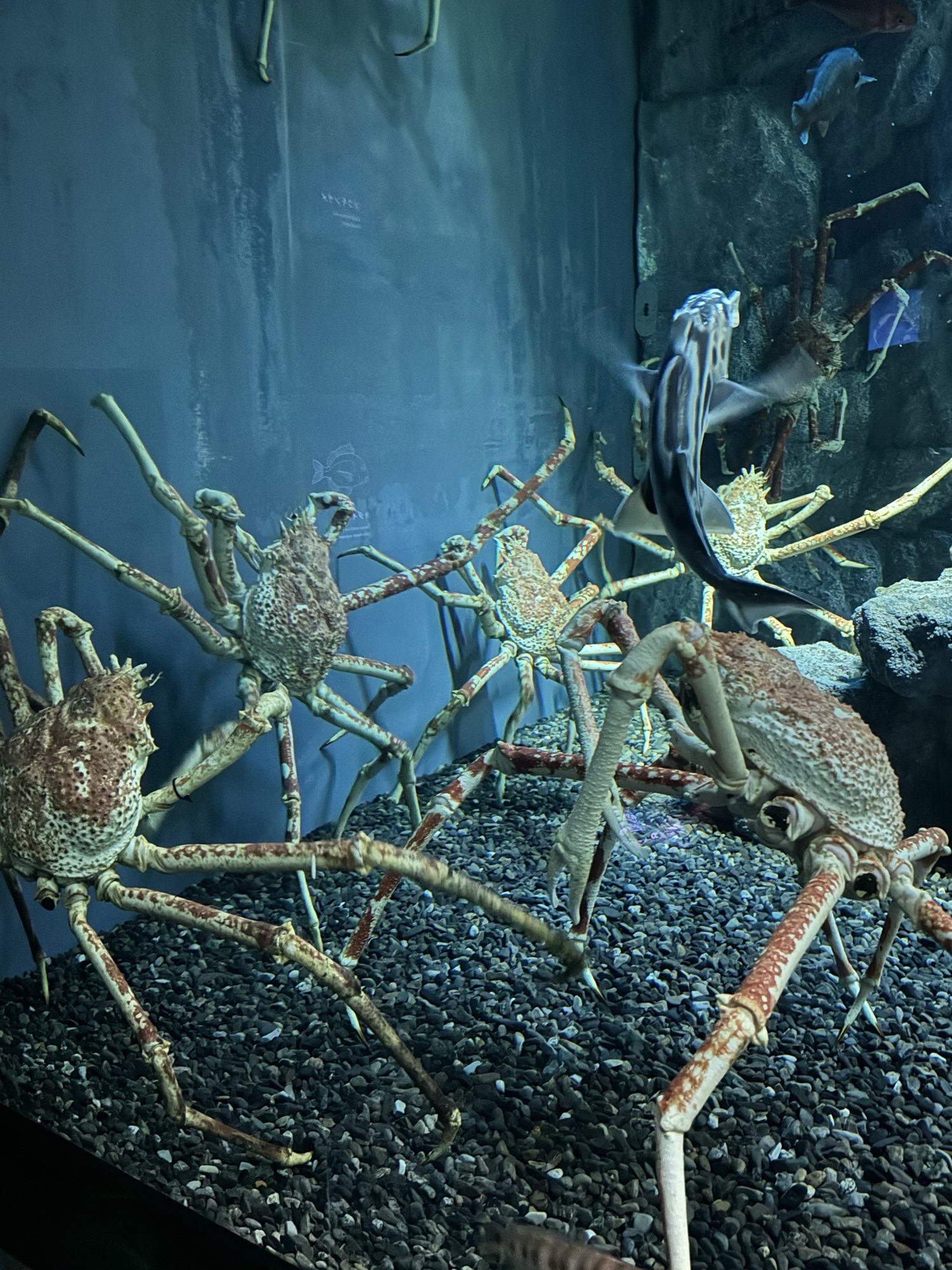


We were ready for a good meal after wandering the aquarium and I left the restaurant choice to Andrew. Might have been a mistake although he is always well-meaning! He used Yelp! to locate a downtown Osaka restaurant that “got very good reviews”. After a 30-minute wild goose chase in a cab, we discovered the place no longer existed. I checked the listing – the reviews were five years old! We chose another spot nearby but that was closed…we then ran into the chef of an open teppan restaurant in an underground labyrinth of shops and eateries and had a good meal there.
The Kumano Kodo

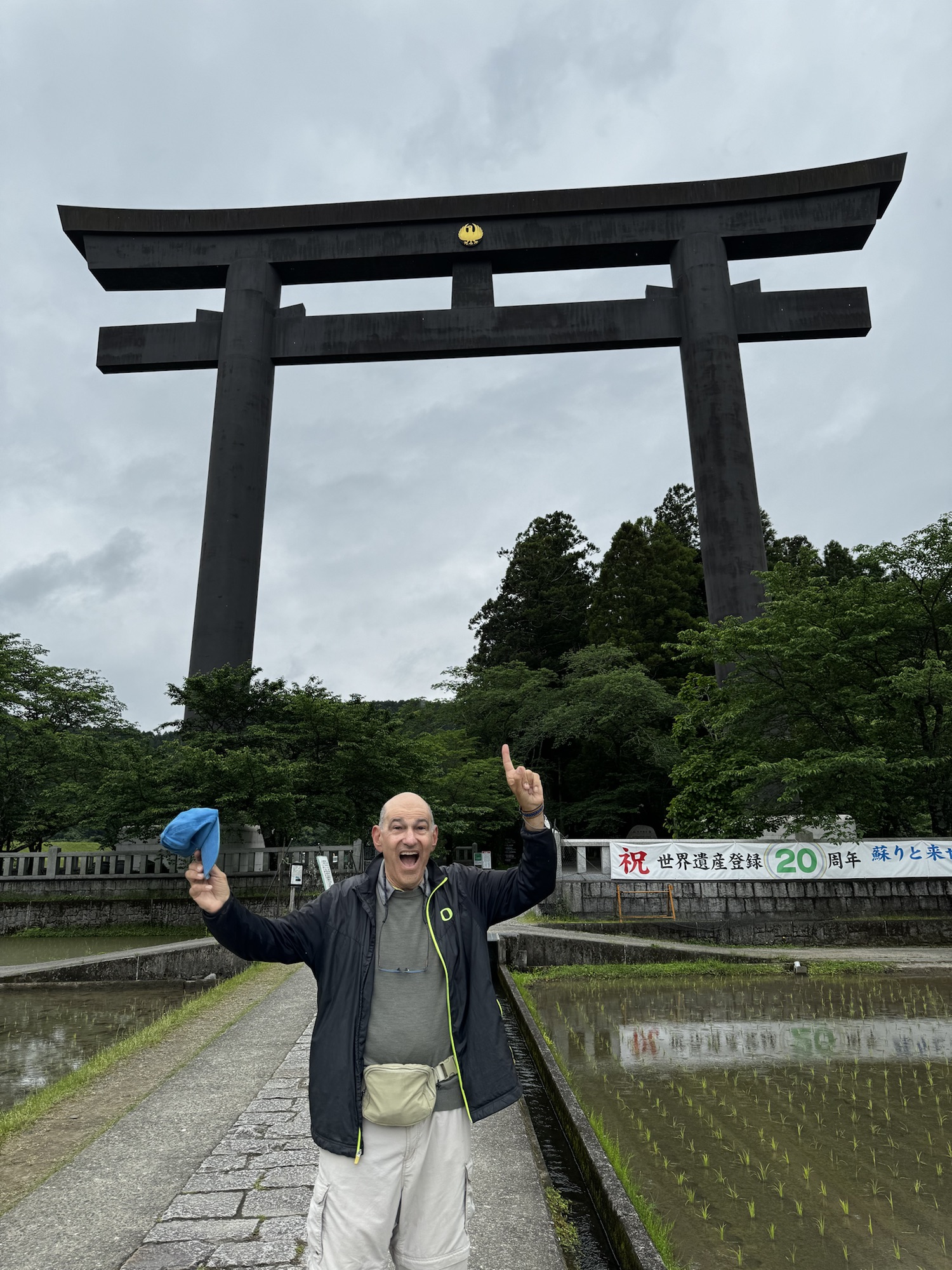
After a farewell to our homestay host, we set off for the more rural and spiritual chapter of our trip, a three- day guided walk on the Kumano Kodo. Historically (for over 1000 years) people from all levels of society have made the arduous pilgrimage to Kumano. These pilgrims used a network of routes, now called the Kumano Kodo, which stretches across the mountainous Kii Peninsula. The walk itself was an integral part of the pilgrimage process of rigorous religious rites of worship and purification. Walking the ancient Kumano Kodo is a great way to experience the unique cultural landscape of Kumano’s spiritual countryside. In July 2004, the Kumano Kodo pilgrimage routes were registered as UNESCO World Heritage as part of the “Sacred Sites and Pilgrimage Routes in the Kii Mountain Range” property.
We were not in a position – neither timewise nor physically – to walk the entire pilgrimage route. With the wonderful help of our guide – Kiyomi Hamada – we got a great overview of the historical significance of this walk. Kiyomi is a translator by profession and now does tour guiding along the Kumano and in some of the Japan “geo parks“.
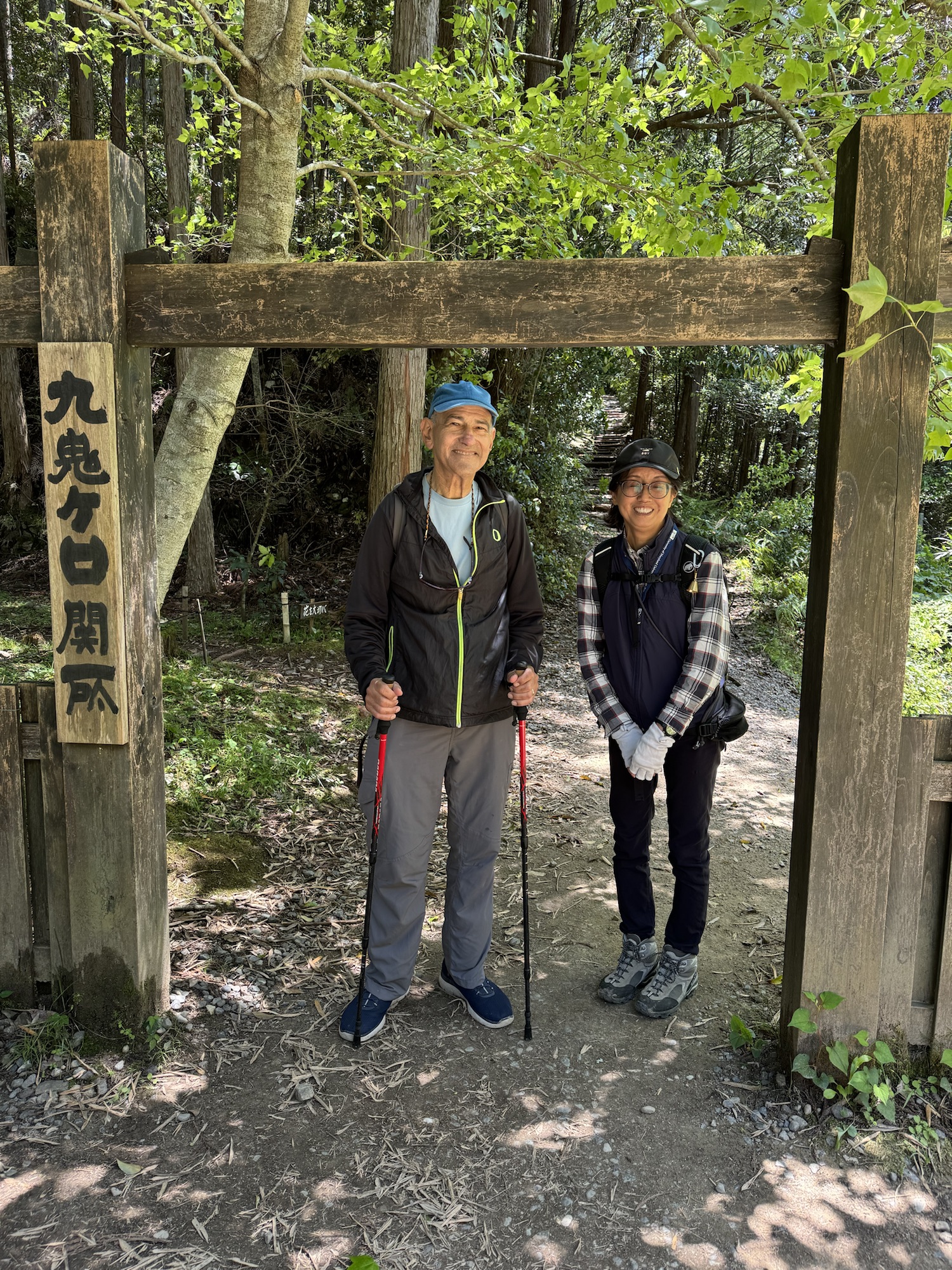
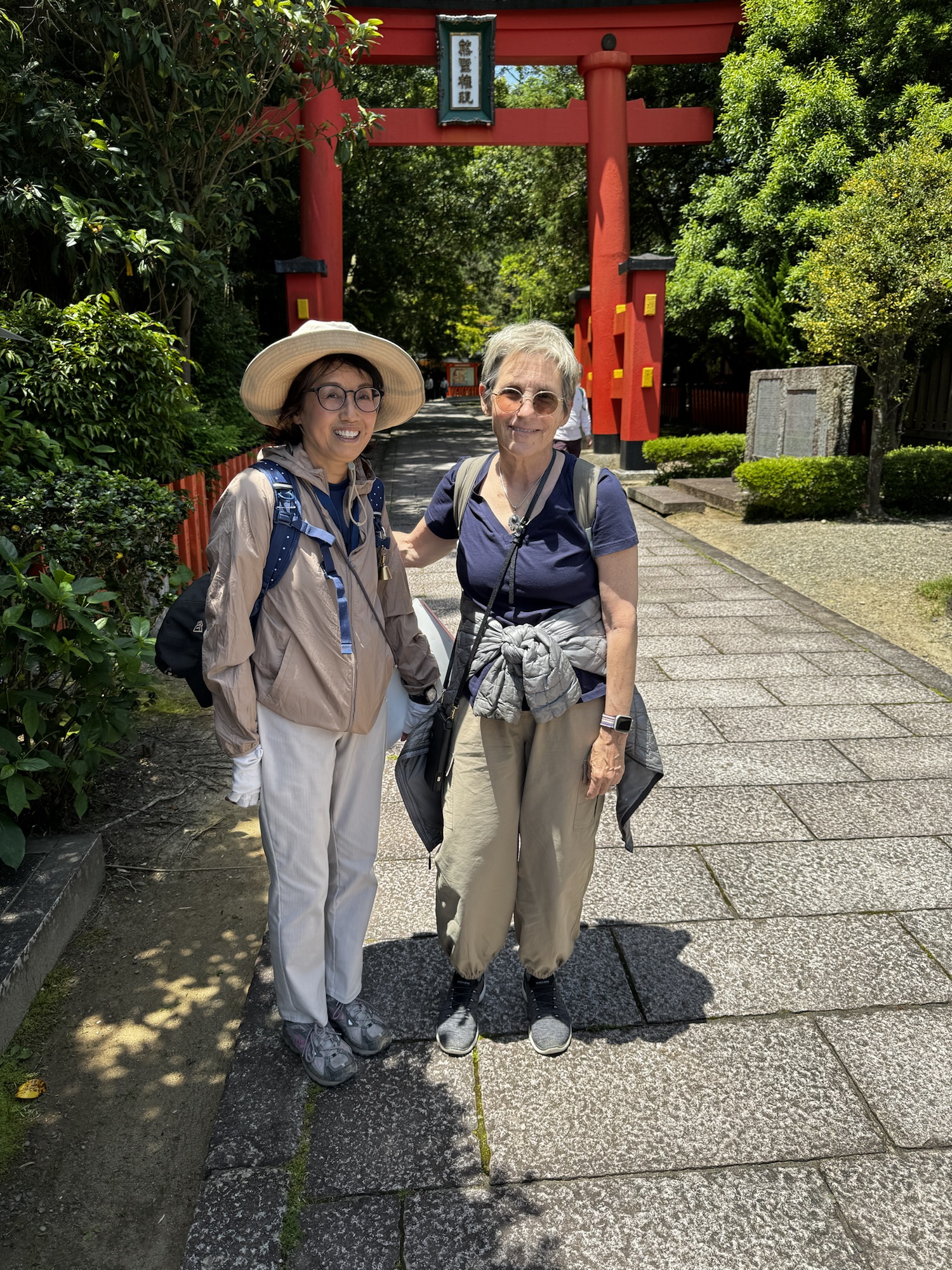
On our tour with Kiyomi we visited the three key shrines on the pilgrimage route. The underlying concept of “Kano” is the acceptance and coexistence of all peoples and religions. Along the route we saw how Shintoism and Buddhism came together at certain times in history and at other times – due to political and military forces – they were forced to separate. We learned that shrines are Shinto places of worship and temples are specifically Buddhist. Both are everywhere in this part of the country.


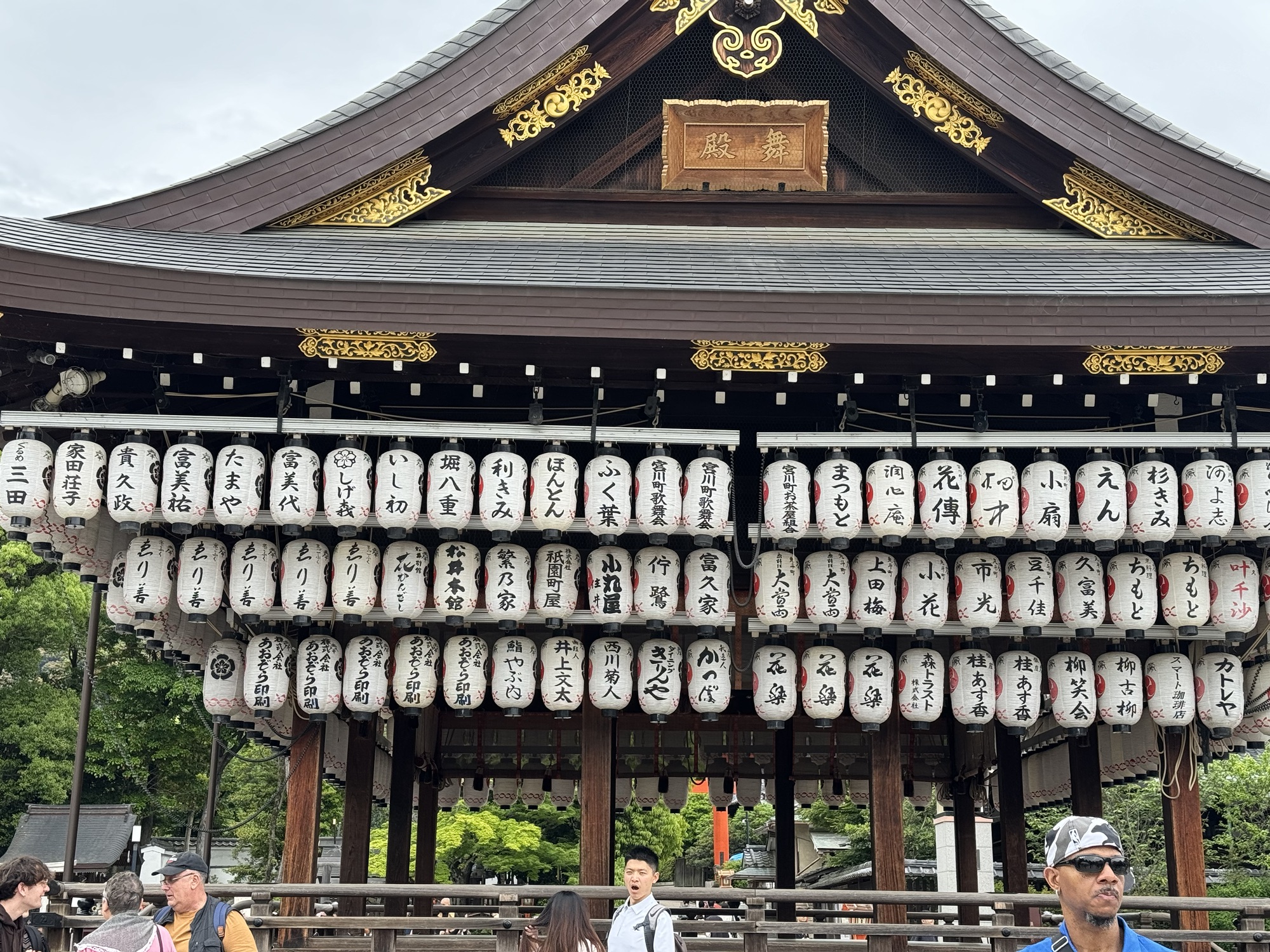
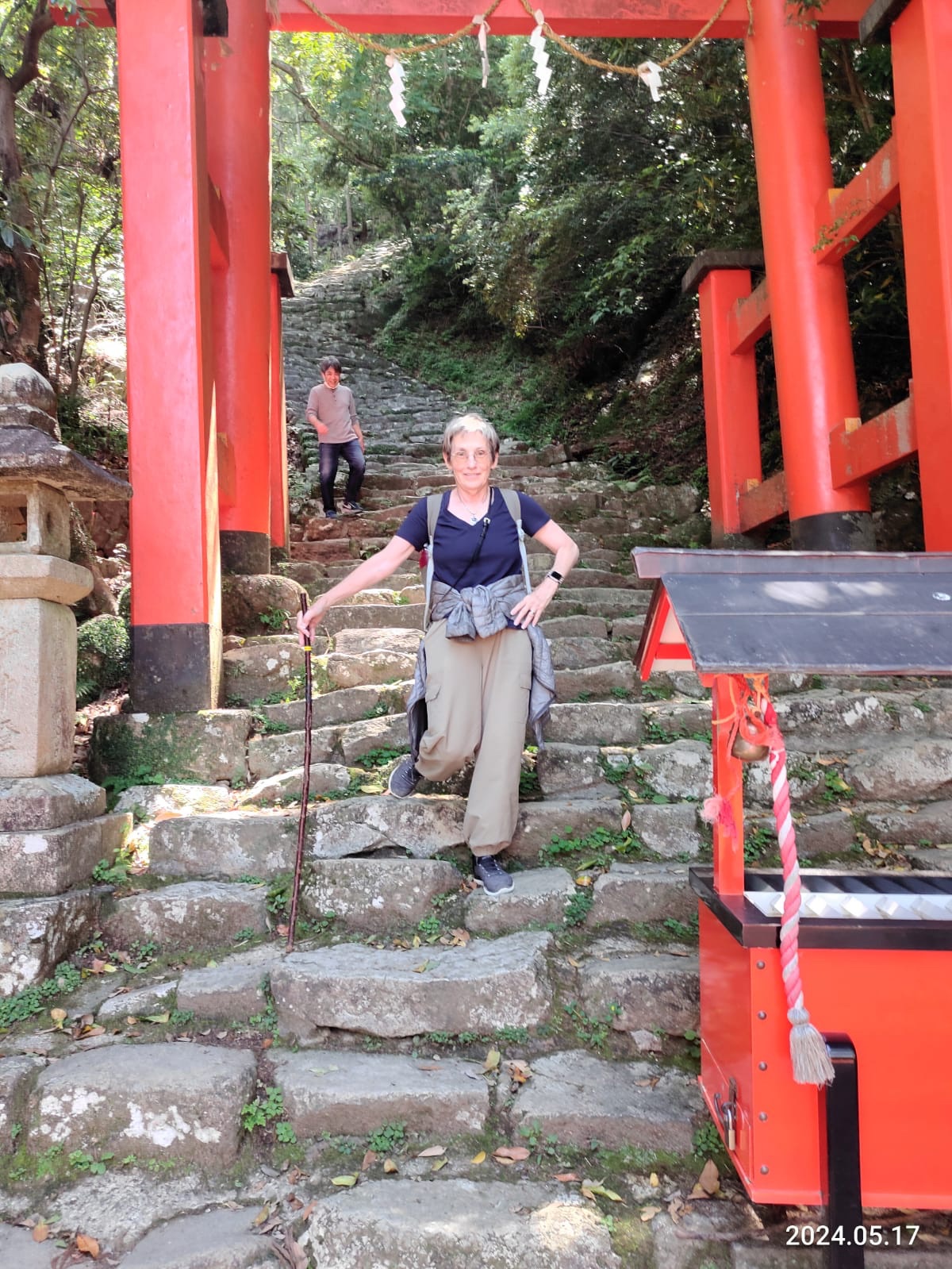
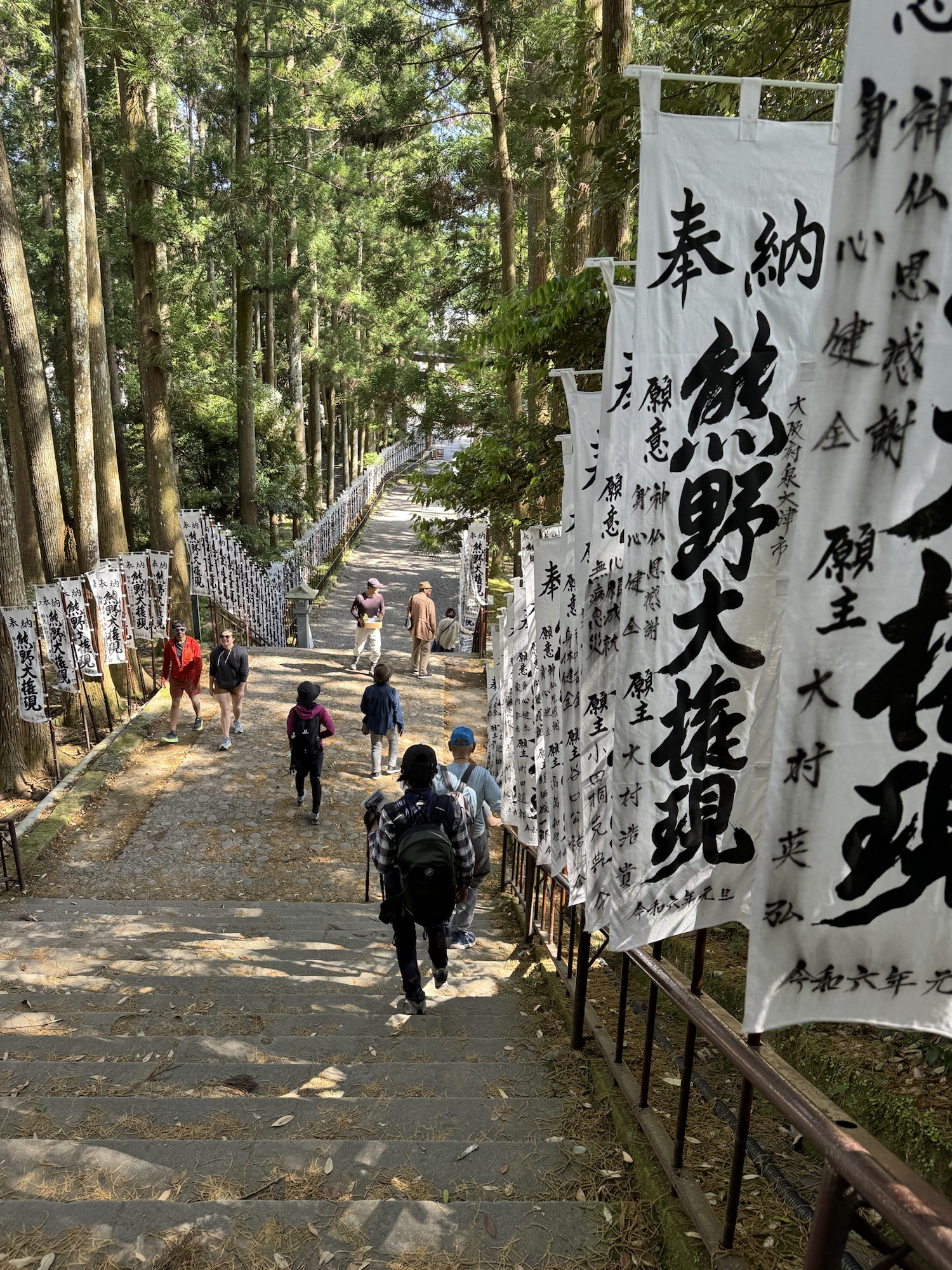
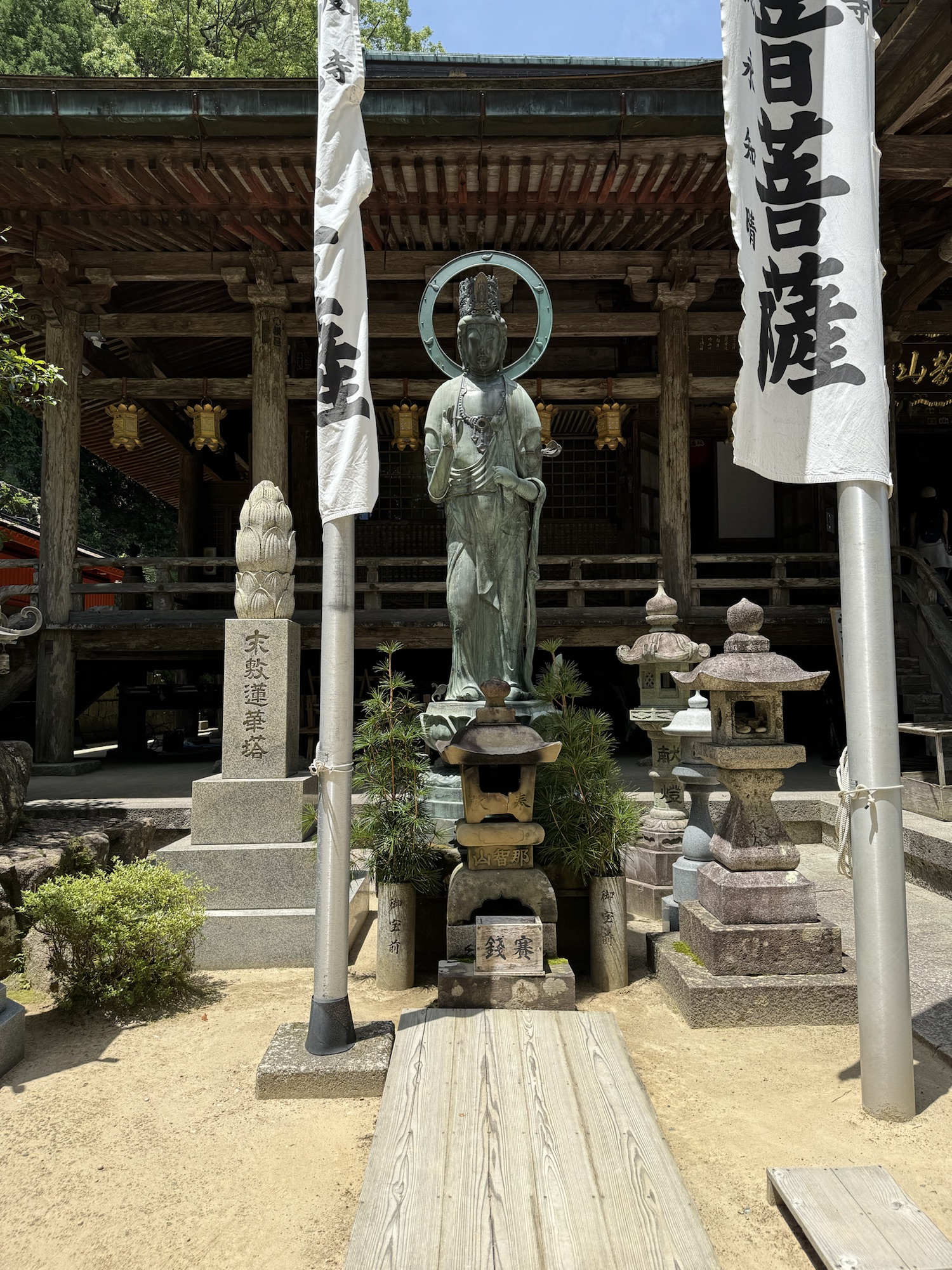
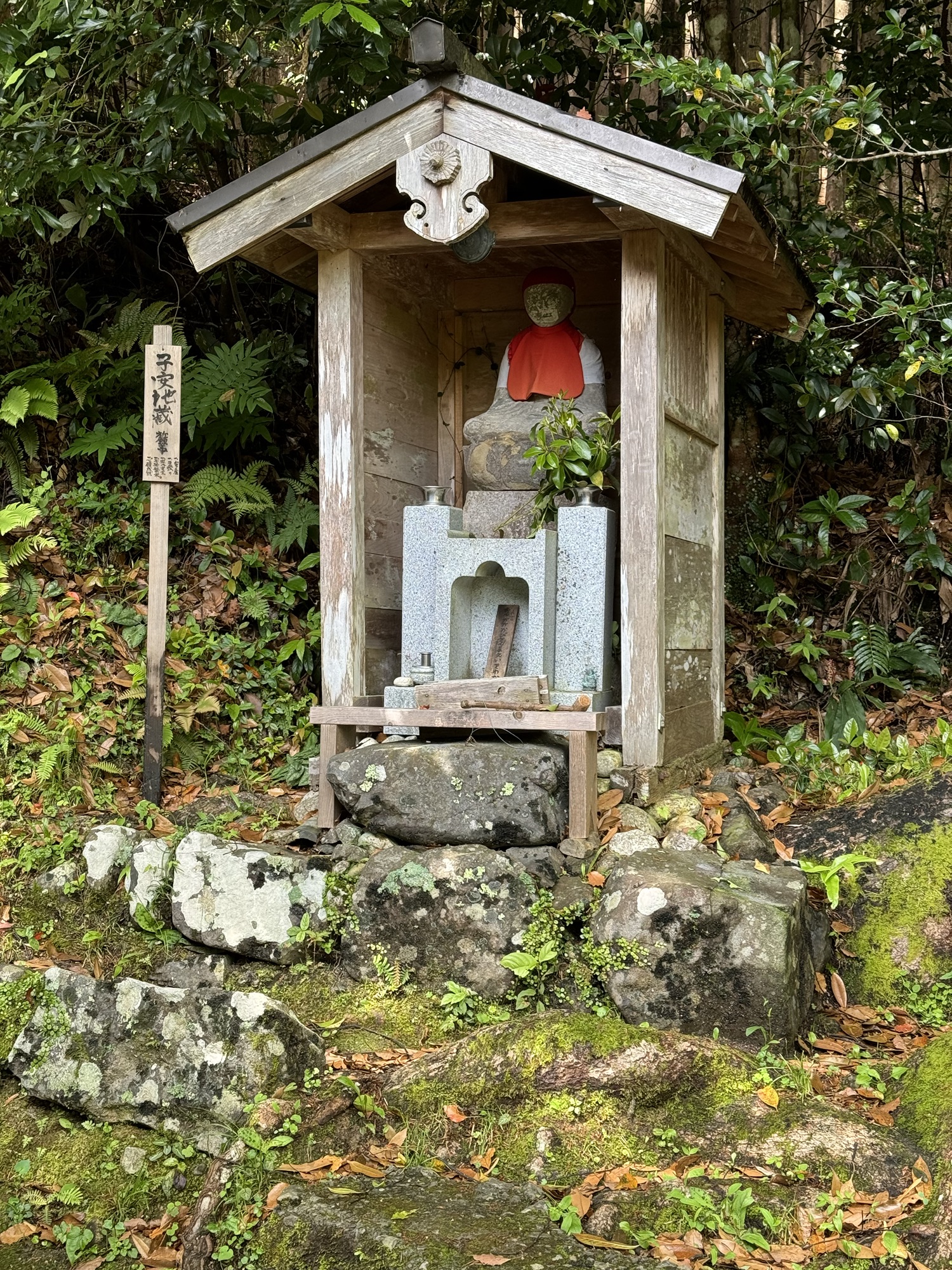
Along the walking paths we took on the Kumano, there were many individual shrines placed by individuals or local communities for a variety of reasons that tied to prayers for health, wealth, happiness, etc. These were as varied as the wishes made.
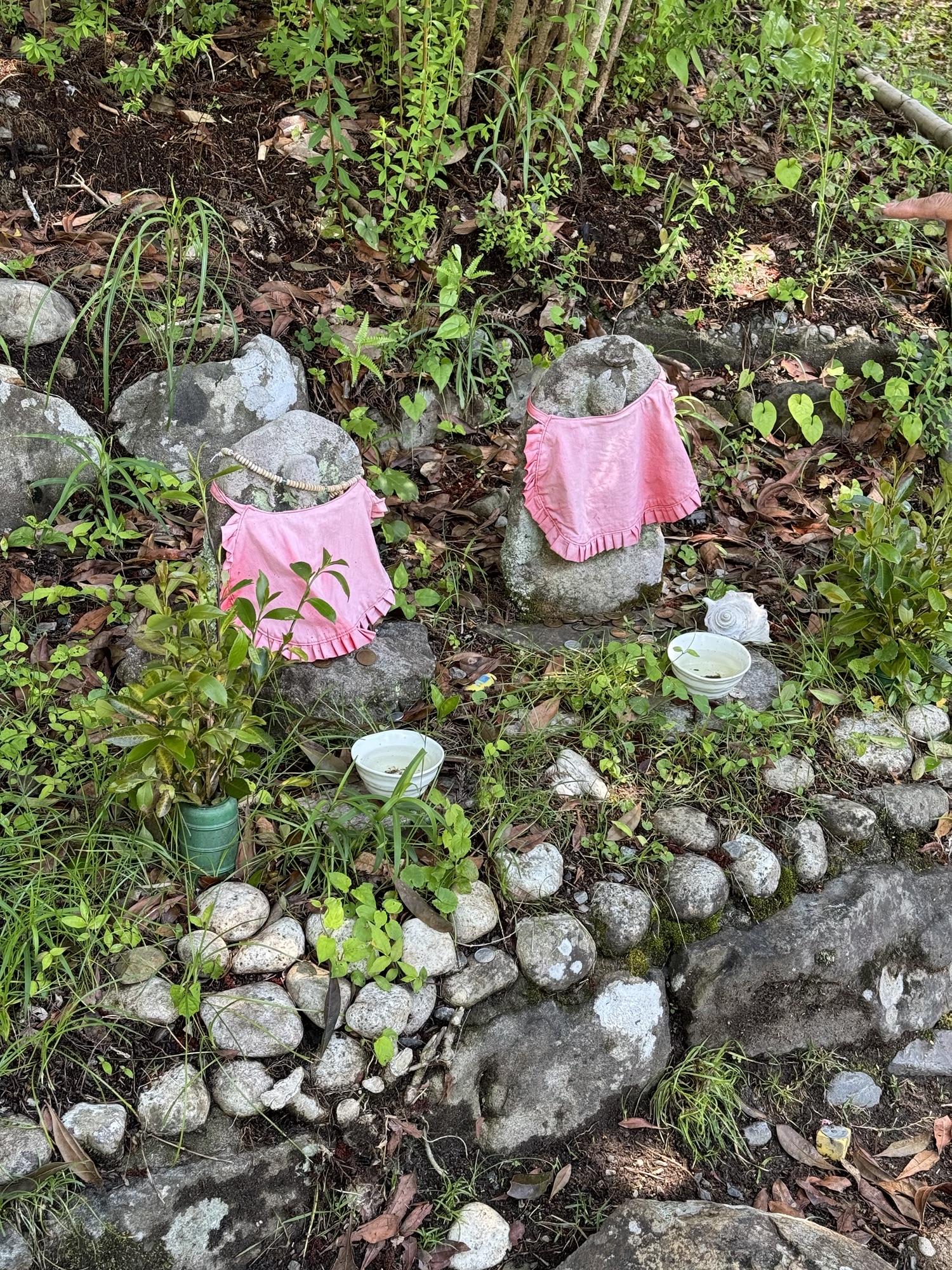

We had arranged our Kumano tour through the regional organization in the area and they also arranged our accommodations for each night. These were in ryokans – Japanese-style inns found throughout the country, especially in hot spring resorts. More than just a place to sleep, ryokan allow you to experience the traditional Japanese lifestyle and hospitality, including elements such as tatami rooms, futon beds, Japanese-style hot spring baths – called an onsen – and local cuisine. We chose to stay in the very traditional Japanese tatami rooms that have futons to sleep on. This proved to be interesting but our backs ached for doubling the futon in order to get real sleep!
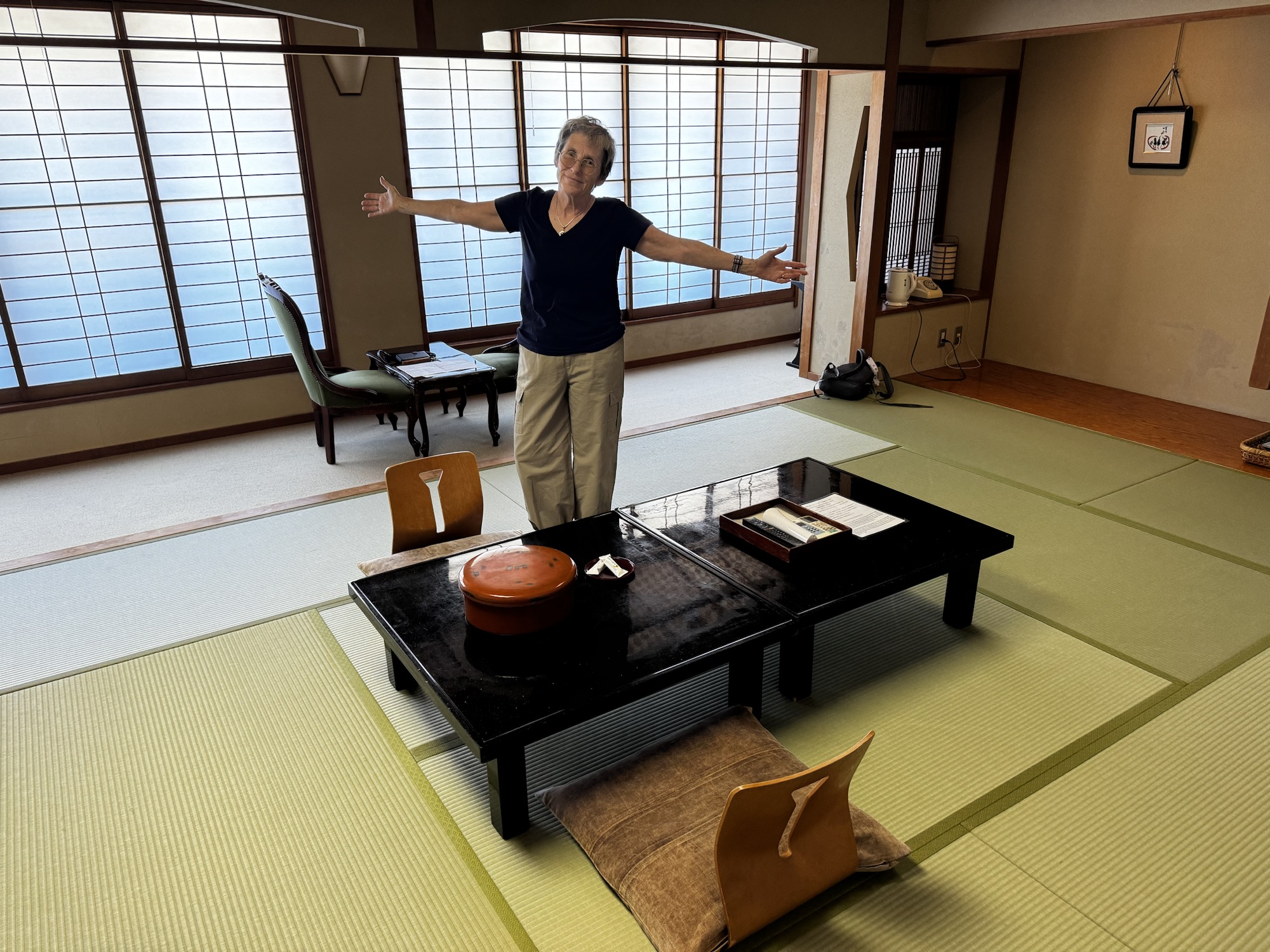
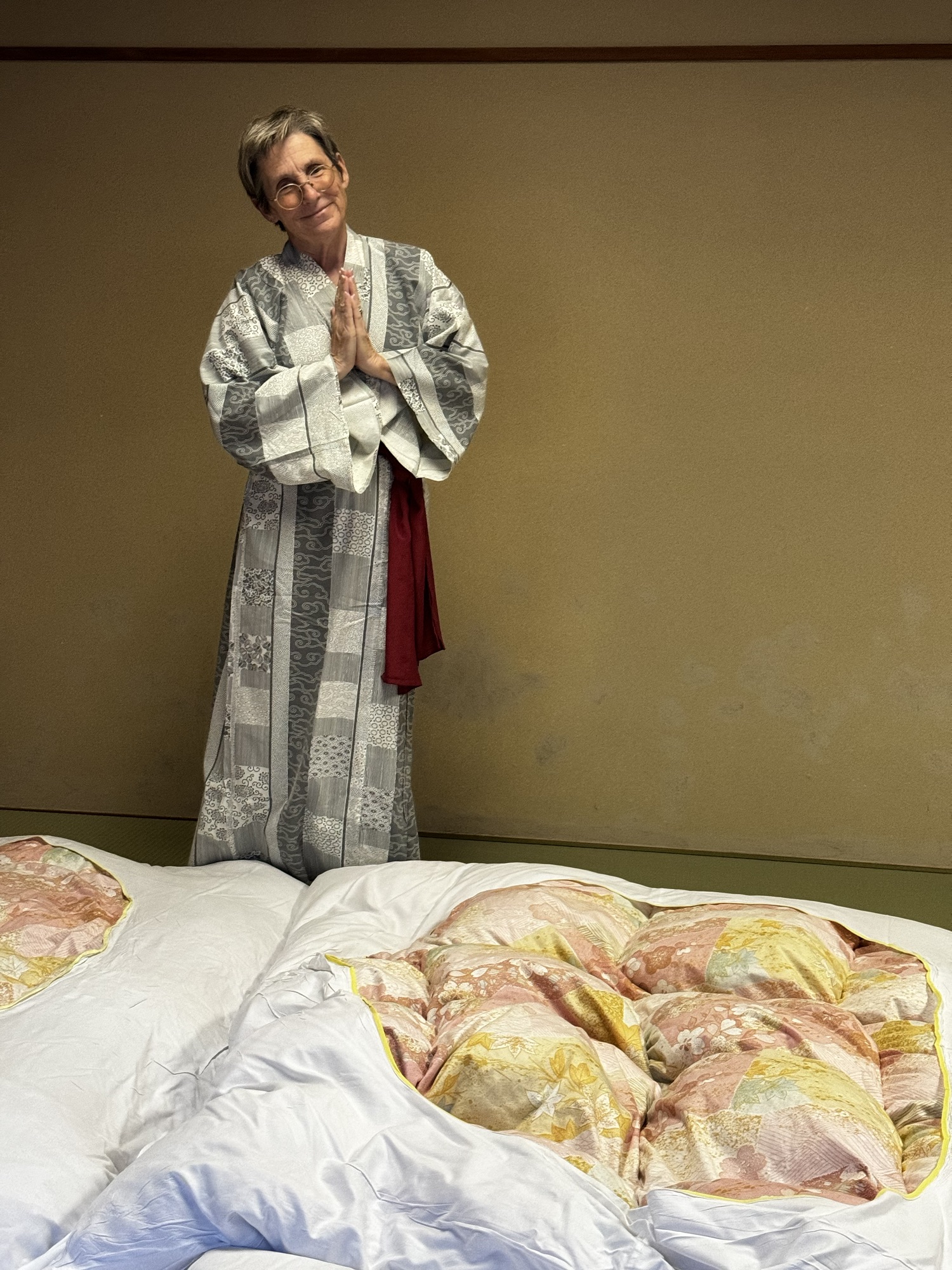
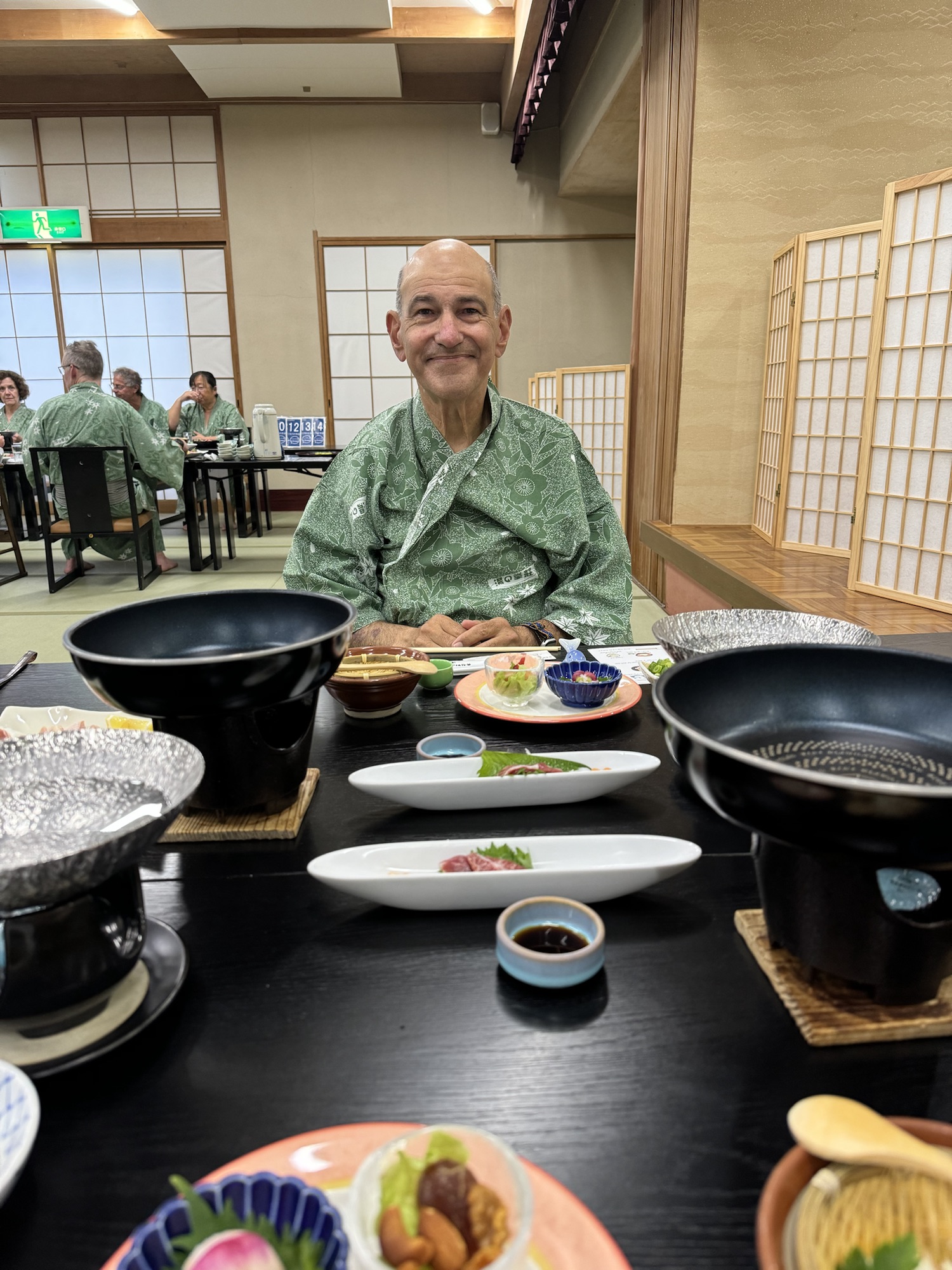
The attire at the ryokans were the traditional Yukata and obi, and the onsen baths were amazing. Only one women’s bath outdoors required wearing coverup. The rest were indoors split between men and women. You have to wash your body thoroughly first, then bathe, then wash again. It took about five minutes for me to get used to the idea of nude bathing with strangers but the setting is so serene, and everyone is into their own process and thoughts that being exposed became irrelevant. Meals at these inns could be served in traditional style or “Western” style. We opted except for one meal to go native, and it was fish, fish, and more fish! We tasted some unusual items in the mix but did pass on jellyfish and a couple of other outliers.
Because the Kumano trails are in a very rural, wooded part of Japan, the ryokans were in lovely settings as well as themselves being well-appointed for comfort.

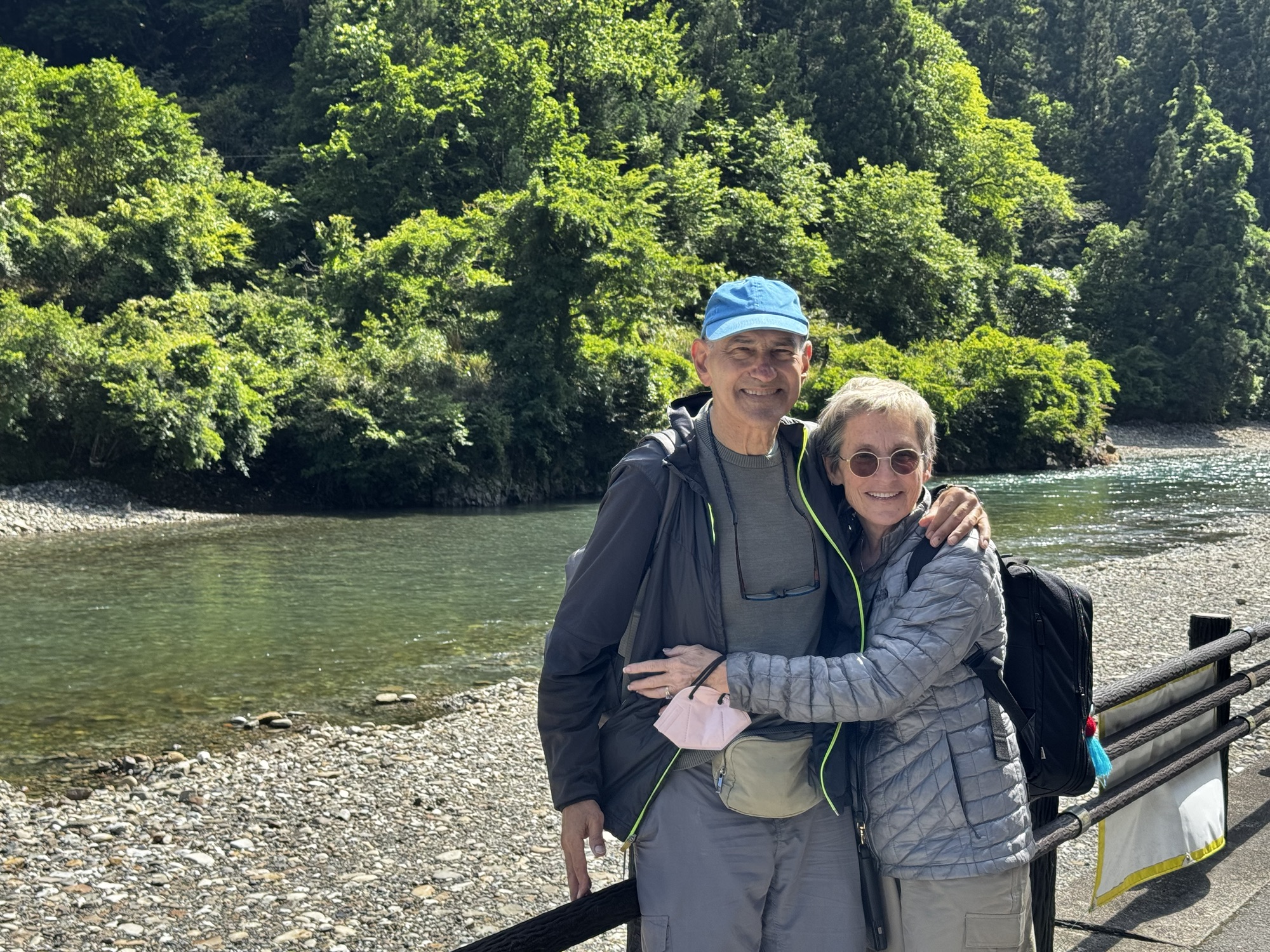

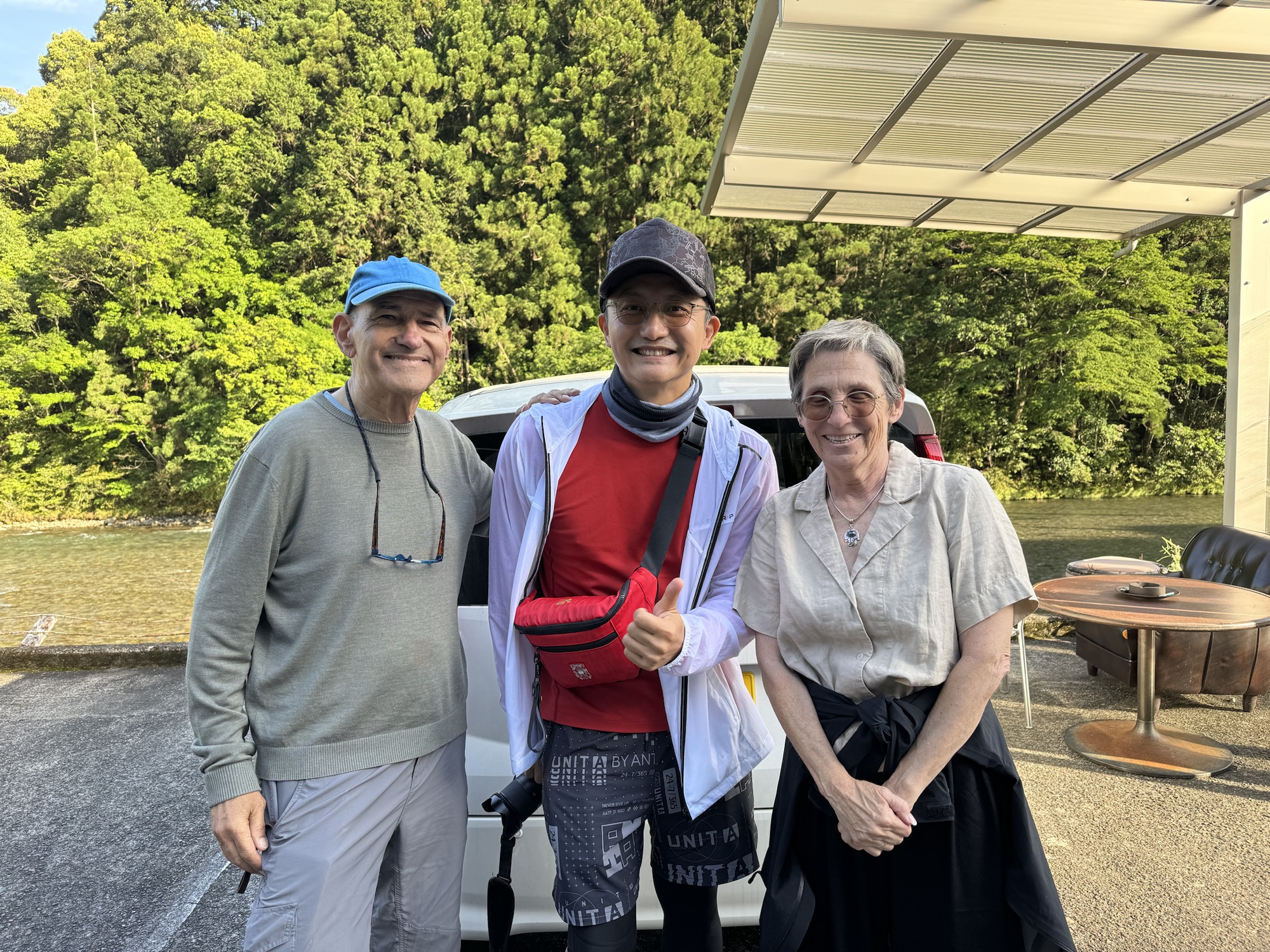
Along the Kumano tour we also had the opportunity to have other experiences we enjoyed very much.
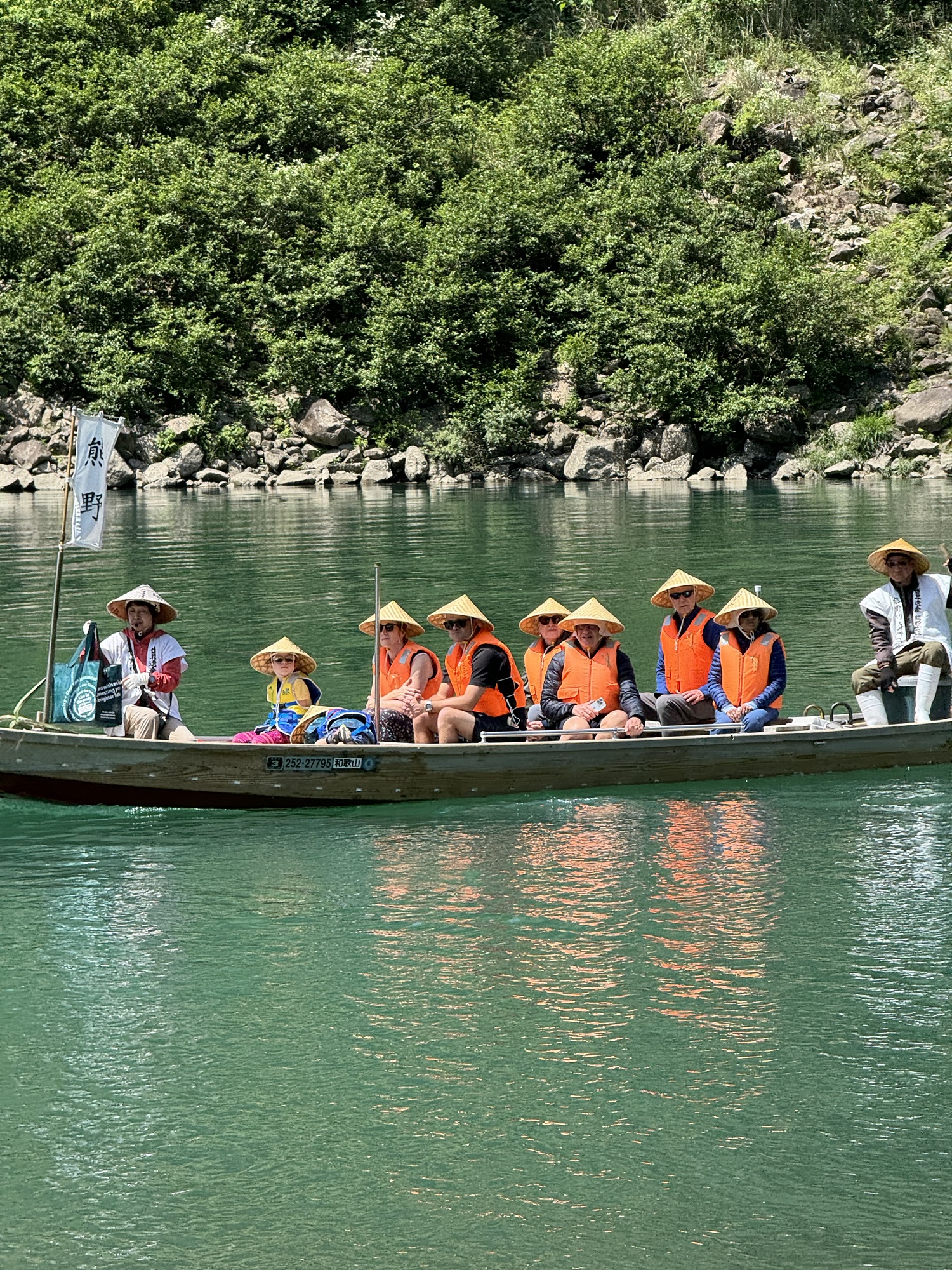
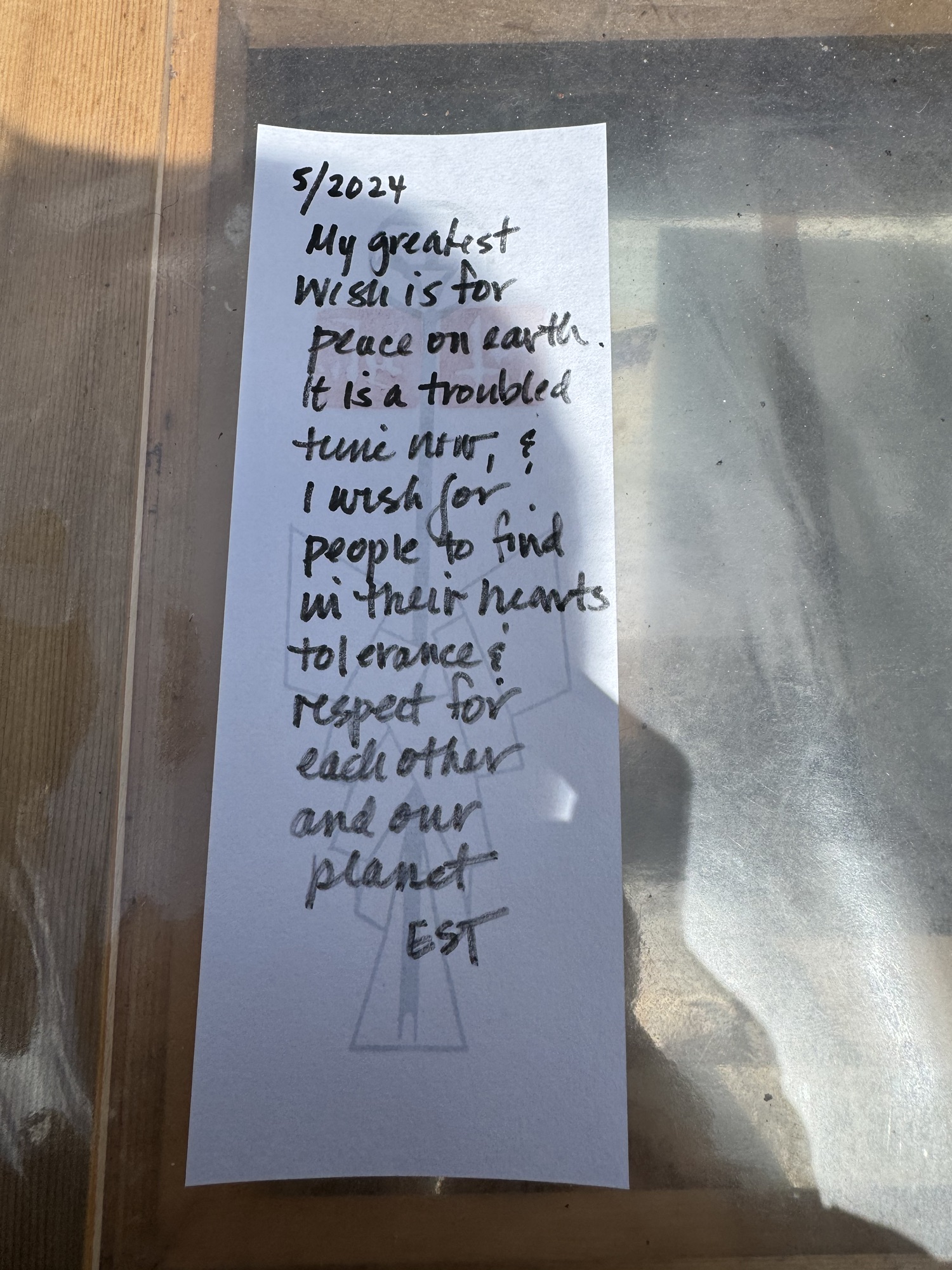
I’d say the time we spent in the Kumano was a wonderful counterbalance to the more urban experiences we’d had earlier in the trip. Each was fun, enlightening, and well worth the effort. In closing, I share a prayer I placed at one of the shrines as is customary when one visits:
Final chapter to come: At the beach in Shirayama
 Living La Vida Loca
Leave a comment