

Never let it be said that we travel within a narrow range of experiences. Andrew and I like to cast the widest net possible to capture as many faces of a country and culture as we can within the constraints of the time we have. Certainly, during our 3+ years in Spain we got an incredible dose of a multitude of religious, cultural, gastronomic, communal, and political experiences. It’s tough to repeat that in a three-week adventure – but we try. The next couple of days on this trip we covered a few diverse bases…
We researched ahead of our trip whether there was a Jewish population in Japan, and if so, where were the enclaves we might check out. I discovered a vibrant Chabad-led community in Kobe. Rabbi Shmulik Vishedsky, a youngish devotee originally from New York, invited us to join his community for a Shabbat (Sabbath/Friday evening) service and dinner, and we took a train from Kyoto via Osaka to Kobe. The Jewish community center in Kobe is nestled in an upscale neighborhood outside of the downtown area with lots of little shops and cafes. The Chabad community is the primary resident in the center, and they host large Sabbath dinners each week that are open to anyone for a nominal fee that likely covers their food costs and a bit more to run the center.
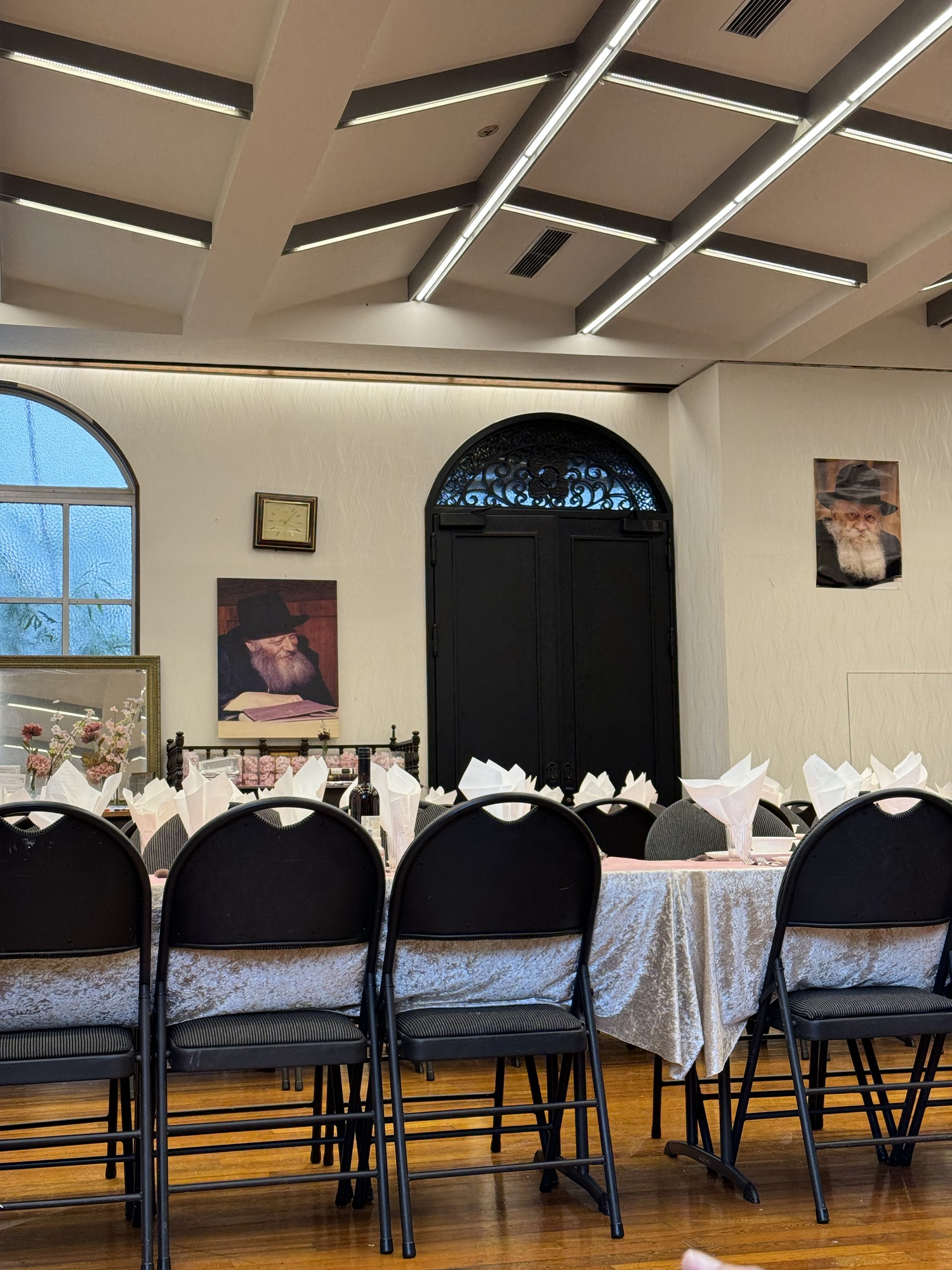
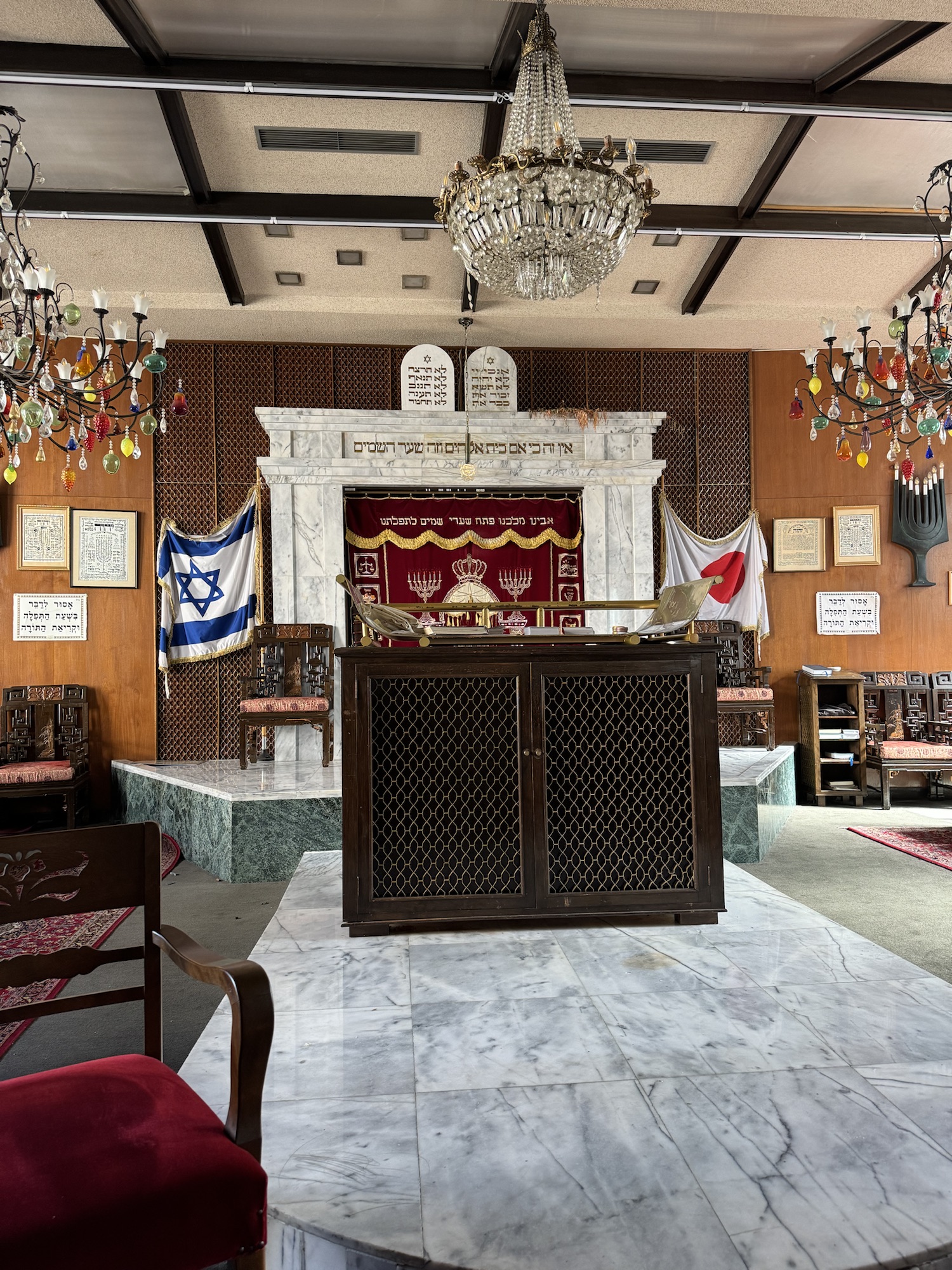
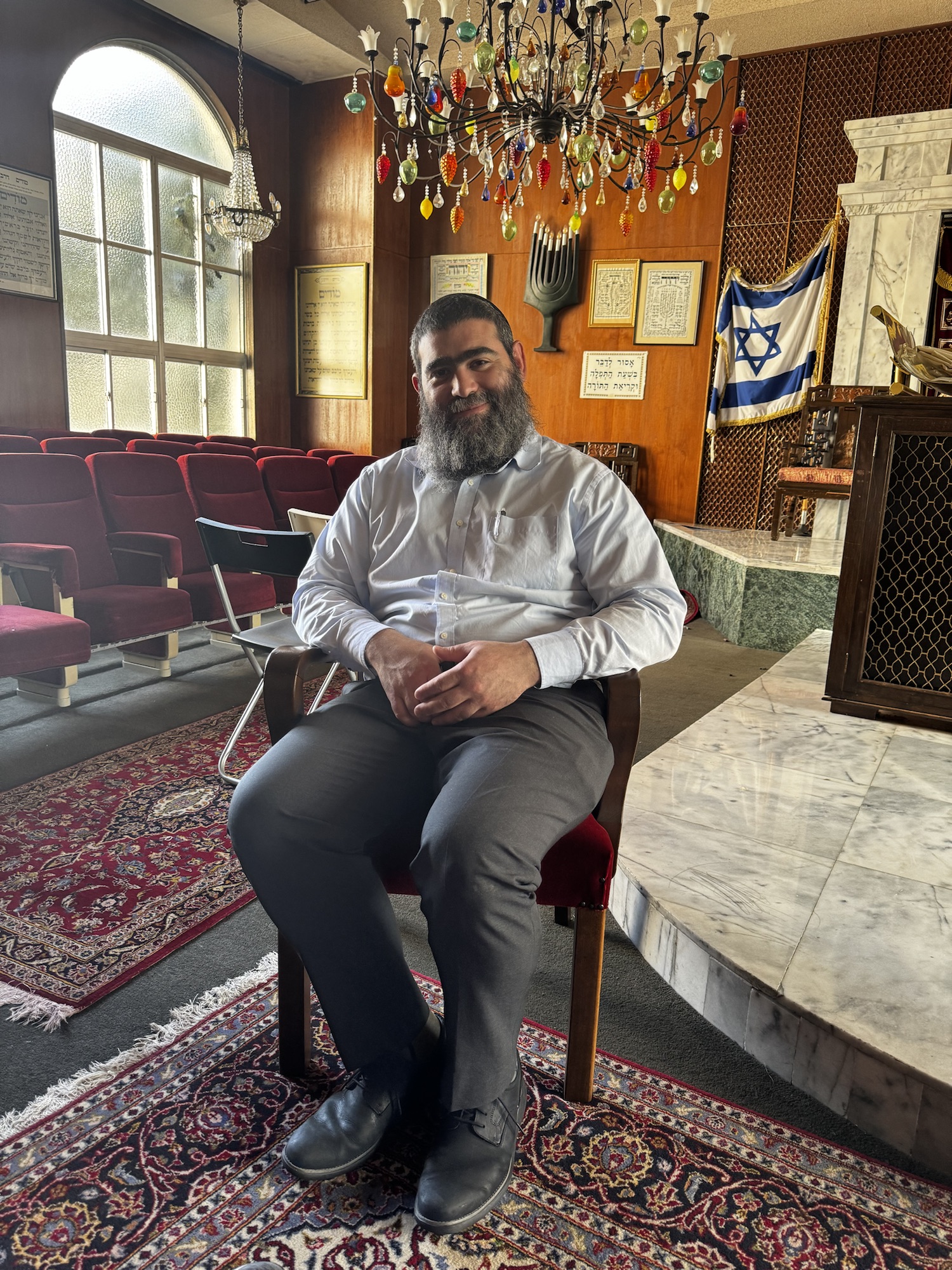
The Rabbi greeted us when we arrived a couple of hours before the evening services and spent nearly an hour talking with us about his background, the community, and asking us about our travels. Just before services started, a large group of Jewish tourists arrived who were traveling from New York through Japan. We were sadly struck by how unfriendly they were in general – keeping to themselves, talking through the religious service, and more that was disappointing to us. We were told by one of the community members that they just showed up to be assured of a kosher meal – hard to find in Japan, for sure. Conversely, the Kobe community members we spoke to were very warm, inquisitive, and made us feel very much at home. We sat next to a lovely doctor from the UK who had joined Chabad recently. He trains Japanese physicians – he held a very discouraging view of young doctors in training there…he said much work needed to be done to instill better “bedside manners” and technical skills. We are super glad we didn’t have any medical needs while there, and of course he had a small view of a much larger network of professionals in the country.
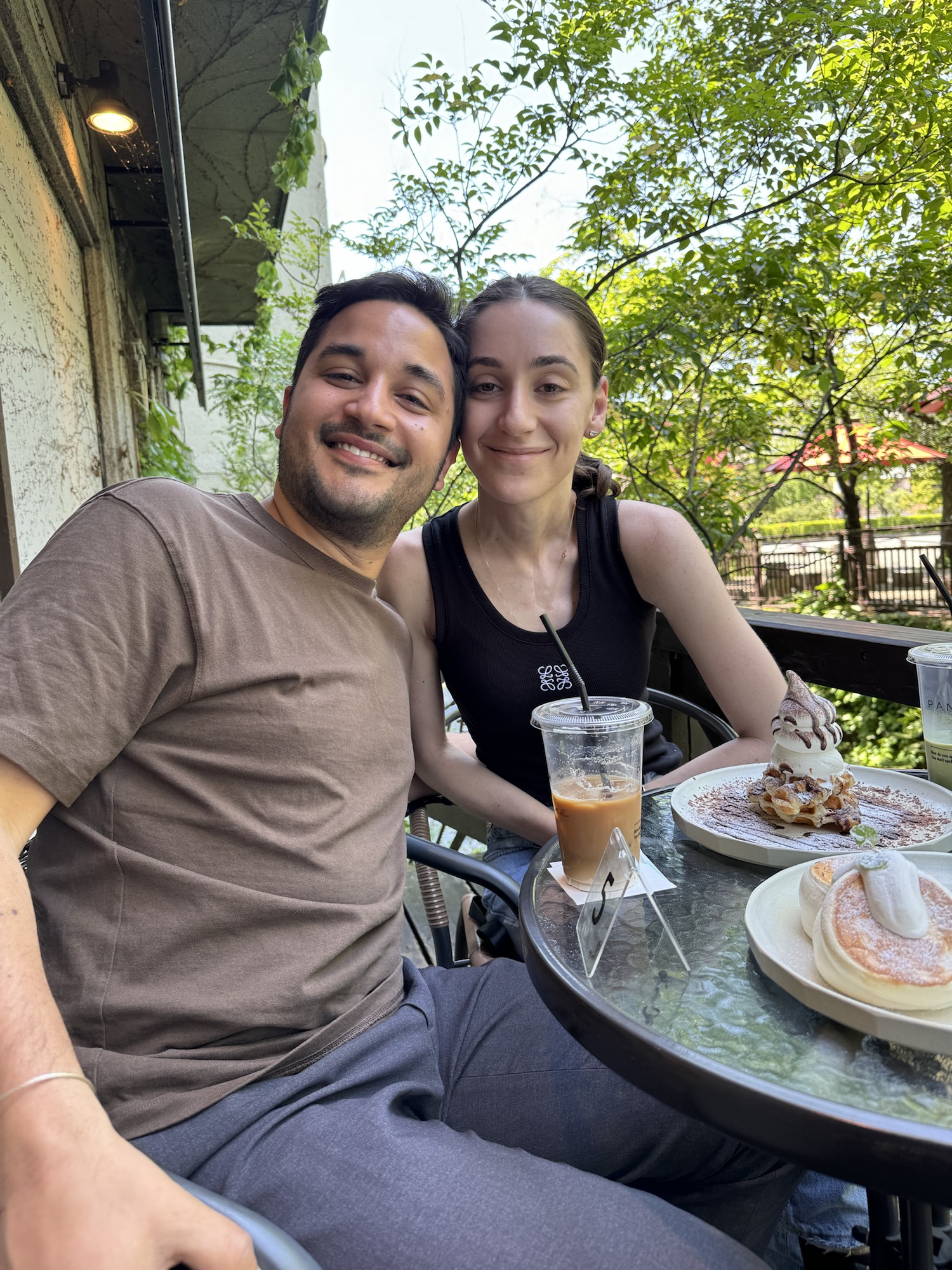
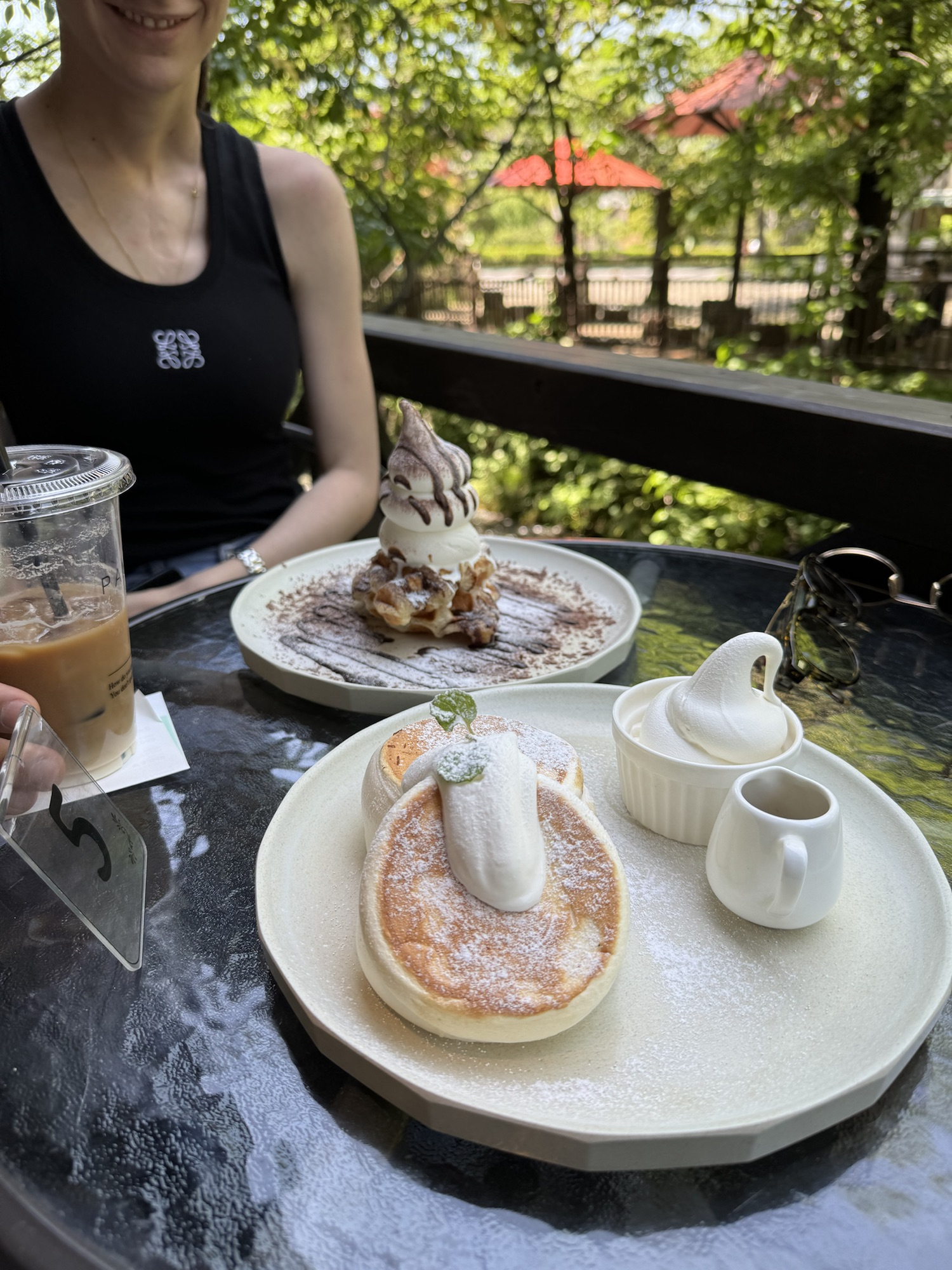
Through the double-edged sword of social media (!!) we lined up the next morning in Kyoto for “famous” fluffy pancakes. We’d read that these were an absolute do-not-miss so like lemmings on a cliff we followed the hungry noses to wait about 30 minutes to order and get seated. While in line we started a chat with a lovely young couple from Paris – there for the same reason. He is a doctor, she a finance officer…and what were the chances? They are Jewish too. We hit it off and ended up having our definitely scrumptious pancakes together at a table overlooking the river that runs through the city.
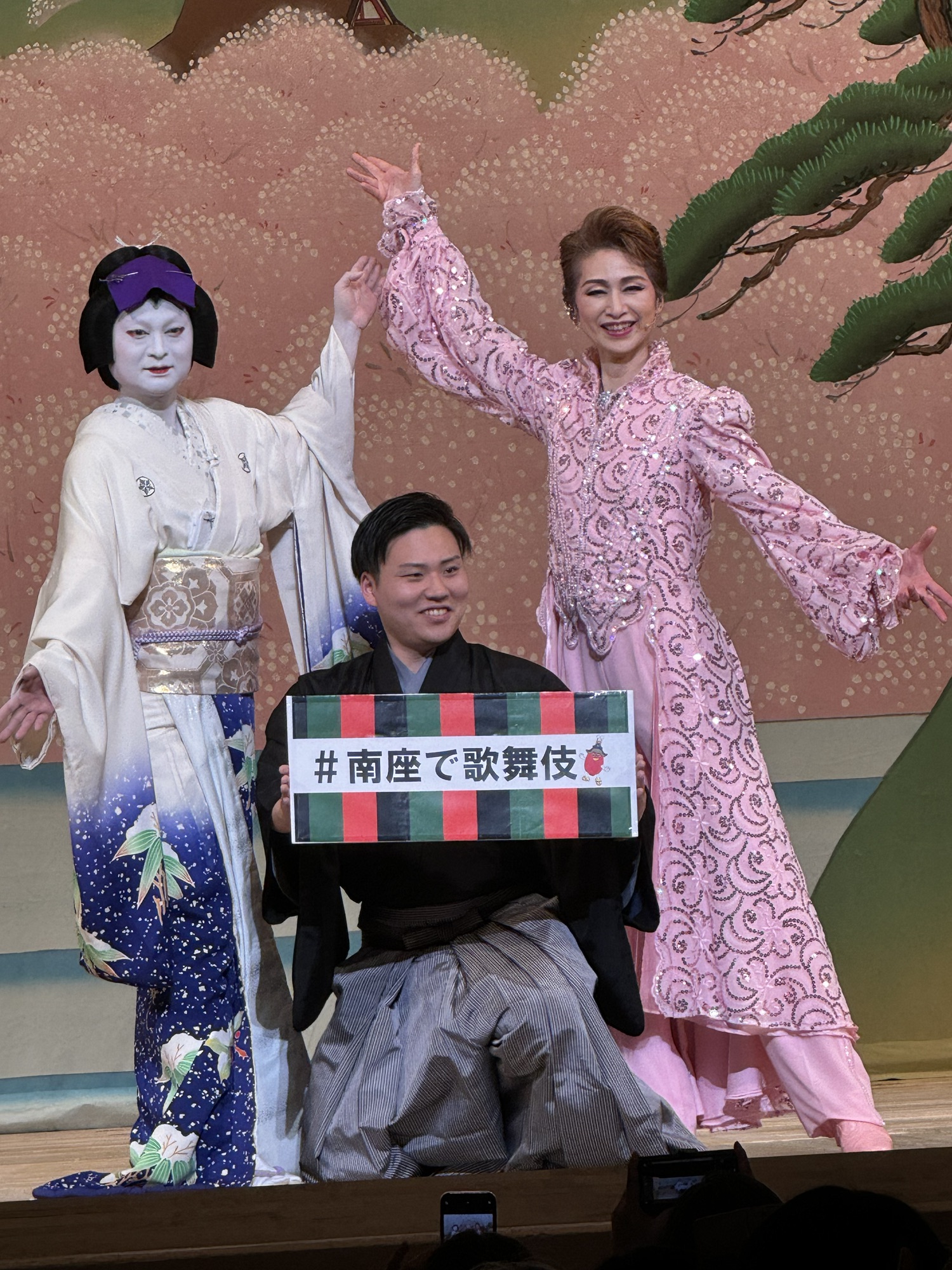
As a former thespian, there was no way I would leave Japan without seeing some Kabuki Theatre. Kabuki is a classical form of Japanese theatre, mixing dramatic performance with traditional dance. Kabuki theatre is known for its heavily stylized performances, its glamorous, highly decorated costumes, and for the elaborate make-up worn by some of its performers. The Minizawa Theatre is right in the heart of the Gion district where we were staying so I was thrilled to be able to expose Andrew to this centuries-old art form.
The program we saw introduced us to both Kabuki and Revue styles of performance. Traditionally, Kabuki characters are always played by men (regardless of the character’s gender), and in Revue the actors are always women. We were treated to a short vignette of Kabuki as well.
Below: The actor on the left is a Kabuki actor – male – playing a female character. The woman on the right is a well-known Revue actor – she plays many male character roles as well. (The guy in the middle? Not sure!!!!)
Our last night in Kyoto was very special. We treated ourselves to a seven-course dinner at a Nobu steakhouse called Itoh. The food was gourmet and the ambiance tranquil – overlooking a small waterway that meanders through the neighborhood. A Nobu dinner Stateside would have nearly rivaled our monthly mortgage…here it was $150 for two.

Next…on to Sakai and a memorable homestay…
 Living La Vida Loca
Leave a comment