
During our trip through New Zealand we had the good fortune to be able to meet with several groups of cancer patients/survivors, carers (care partners) and advocacy/service group leaders as part of the ongoing work Andrew and I do together at Patient Power. Andrew is very active in a number of Facebook groups that focus on particular forms of cancer – including two that we do a lot of content about – Myeloproliferative Neoplasms (MPNs) and Head and Neck Cancer. When Andrew posted that we would be in New Zealand, a number of patients and advocacy folks reached out and asked if we could meet with them when in country. We were honored, and arranged in both Auckland and Christchurch to do this. The groups were so gracious – one arranged through the local blood cancer support organization to meet in their offices and the other gathered a group for a lovely lunch in a local park.
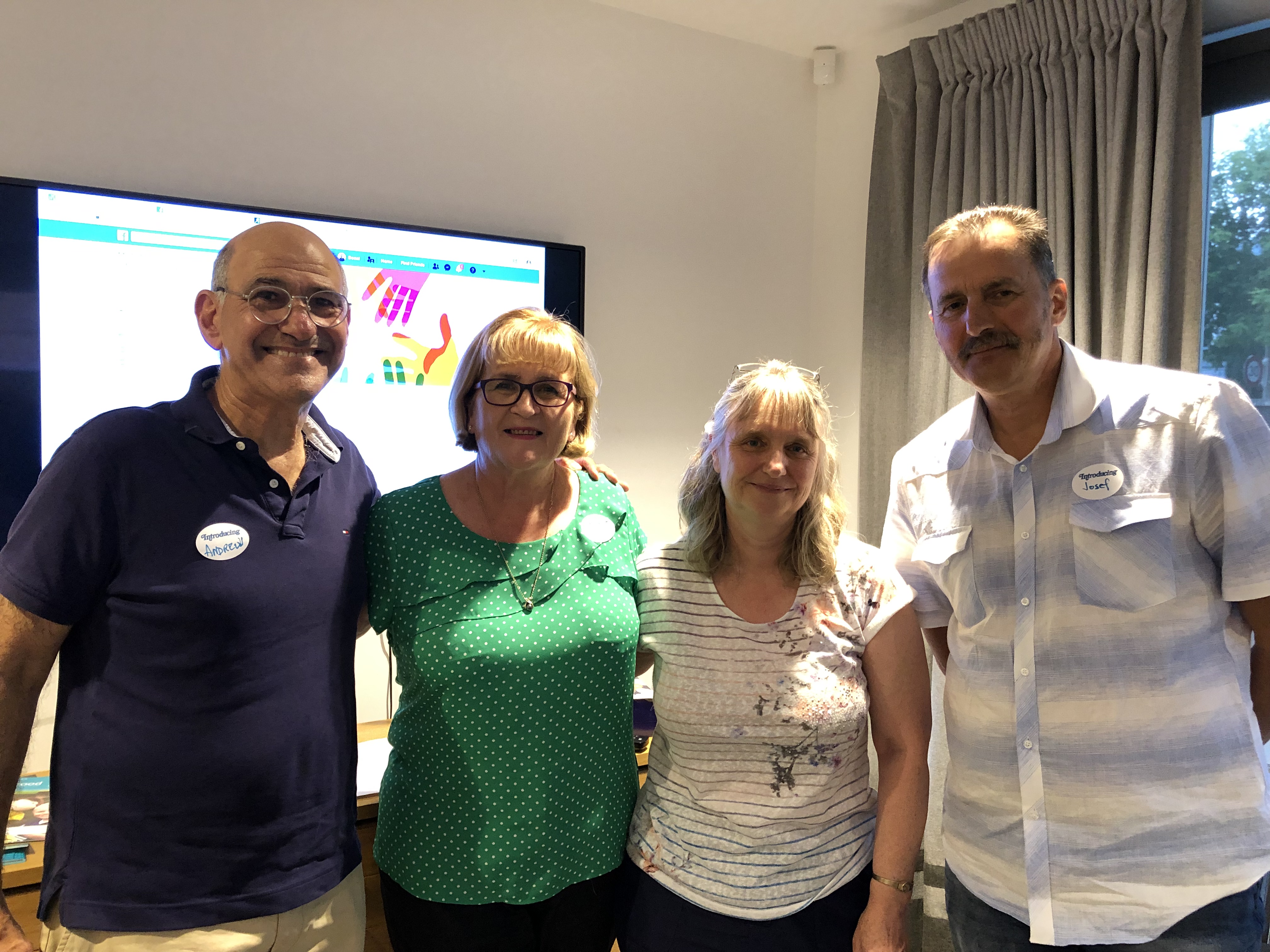
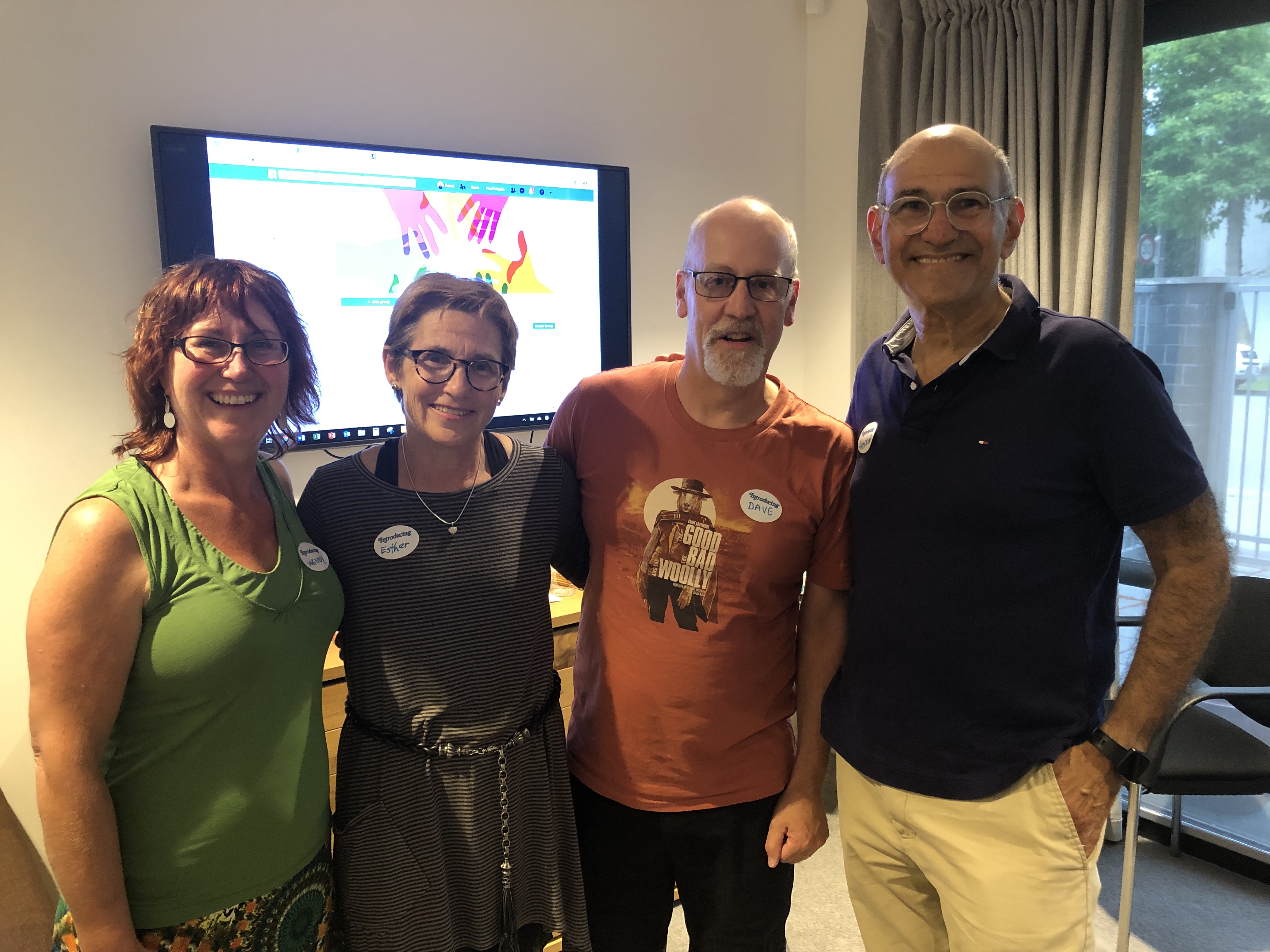
Andrew and I shared our story, gave an overview of the work Patient Power is doing, and most of all discussed some of the hope-filled research and treatment progress being made in both these cancers. We did a lot of listening, too. While the US has healthcare system issues, New Zealanders have their own set of problems. They do have a socialized (government run) healthcare system so everyone has basic health coverage…that’s the good news. The challenges they have include access to the very latest approved treatments (it takes a lot longer for those to get approved and purchased by the government, especially for more rare conditions), and lack of access to clinical trials (the limited diversity and relatively small population pool in NZ makes executing trials less desirable to pharma as they need broad-based results to get to approval). The end result is that many people have to travel to Australia or even Europe to be in trials, get second opinions, etc – and this is cost-prohibitive for many. Additionally, in order to get “the very latest” – when available – one needs to be very, very ill to be prioritized.
We also found that as in some other countries we have visited, asking for a second opinion is thought to be disrespectful of the local oncologist. The idea of patients being “empowered” to ask questions and make requests for additional wisdom from far-flung specialists is still not well-accepted. We spent time in deep discussion with those assembled about why this perspective needs to change in order to assure the very best treatment possible. The local support and advocacy groups understand this and often point people to Patient Power as a resource for both clinical knowledge and peer-to-peer encouragement to speak up on one’s own behalf.
We will get to do a similar meeting in Melbourne at the end of our trip – looking forward to that. Truth be told, as much as we are “out there” as patient/survivor and care partner evangelists, these kinds of gatherings are heartwarming and reassuring for us as well. None of us is alone in dealing with something both potentially life-threatening and seemingly out of our control. But not being alone and knowing that so much is being done to find pathways for life-extension and better quality of life makes the journey that much less frightening. We are grateful to all those who made the lovely effort to engage with us and welcome us to their beautiful country!
More later,
Esther

 Living La Vida Loca
Leave a comment